
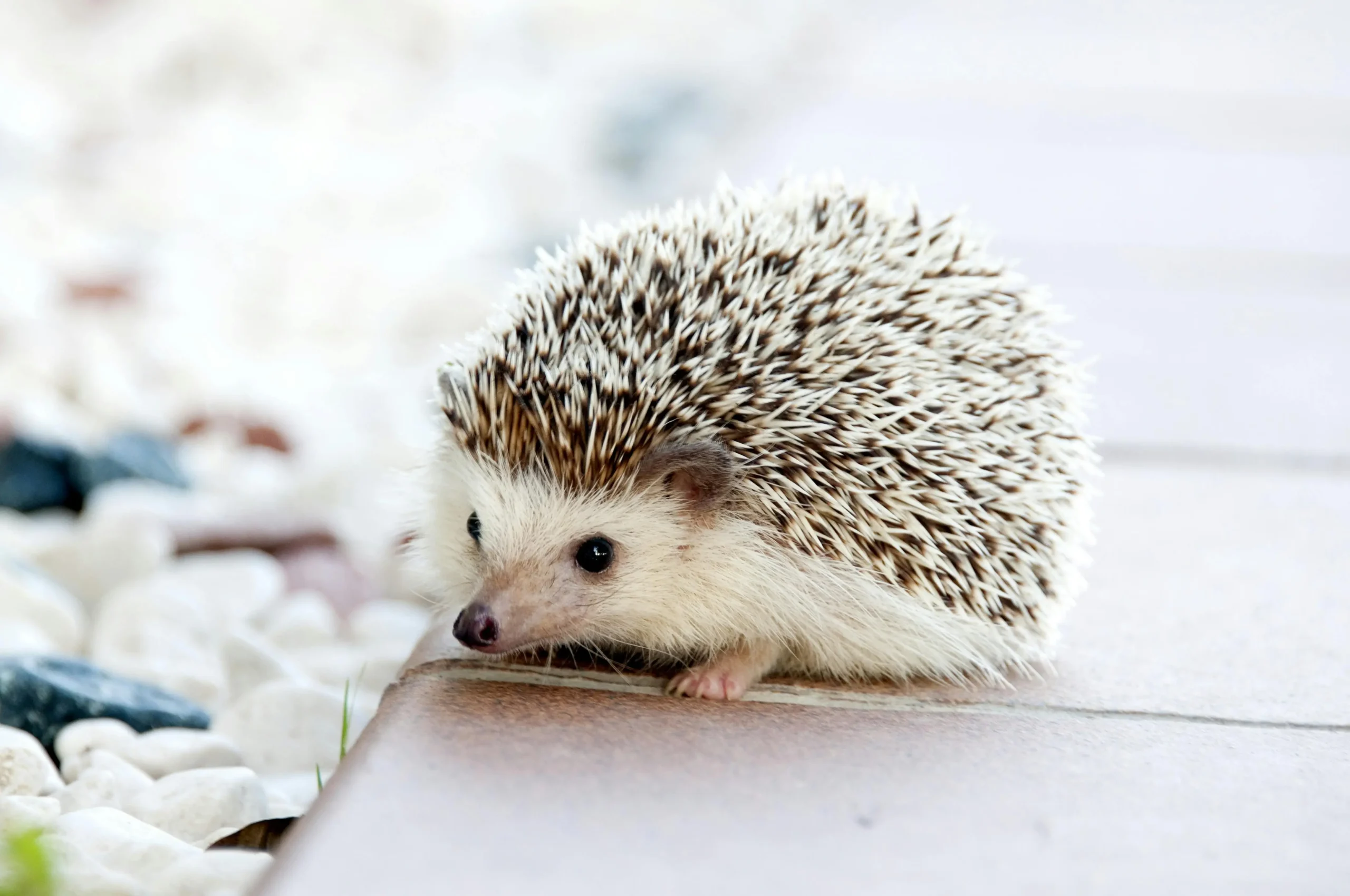
Senior Hedgehog Diet: Complete Nutrition Guide for Aging Pets
As your beloved hedgehog enters their golden years, their nutritional needs undergo significant changes that require careful attention and adaptation. A well-planned senior hedgehog diet becomes crucial for maintaining optimal health, supporting aging organs, and ensuring your spiky companion enjoys a comfortable, active lifestyle well into their later years. Understanding these evolving dietary requirements is essential for every hedgehog owner committed to providing the best possible care for their aging pet.
Senior hedgehogs, typically those over 3-4 years old, face unique health challenges that directly impact their nutritional needs. From slower metabolism and reduced activity levels to potential dental issues and organ function changes, these factors all influence what constitutes an ideal senior hedgehog diet. This comprehensive guide will walk you through everything you need to know about feeding your aging hedgehog, ensuring they receive proper nutrition tailored to their changing needs.
Table of Contents
Essential Products for Senior Hedgehogs
Food & Nutrition
- Senior-specific hedgehog kibble (lower protein 25-30%)
- High-quality water bowls (easier access than bottles)
- Shallow feeding dishes (arthritis-friendly)
- Food scales (for portion monitoring)
Health & Comfort
- Soft bedding materials (recycled paper pellets, fleece liners)
- Joint supplements (glucosamine/chondroitin)
- Heating elements (ceramic heat emitters, heating pads)
- Low-entry litter box (mobility assistance)
Exercise & Mobility
- Silent exercise wheel (12+ inches, solid surface)
- Ramps instead of levels (easier cage navigation)
- Non-slip cage liners (prevent falls)
Grooming & Care
- Soft nail clippers (regular maintenance)
- Gentle hedgehog shampoo (for less frequent baths)
- Soft-bristled toothbrush (foot soaks, cleaning)
Environmental
- Lower cage accessories (easy access hideouts)
- Night lights (vision support)
- Temperature monitoring tools (digital thermometer)
Monitoring Tools
Pro Tip: Focus on comfort, accessibility, and health monitoring products to support your senior hedgehog’s changing needs and ensure their golden years are as comfortable as possible.
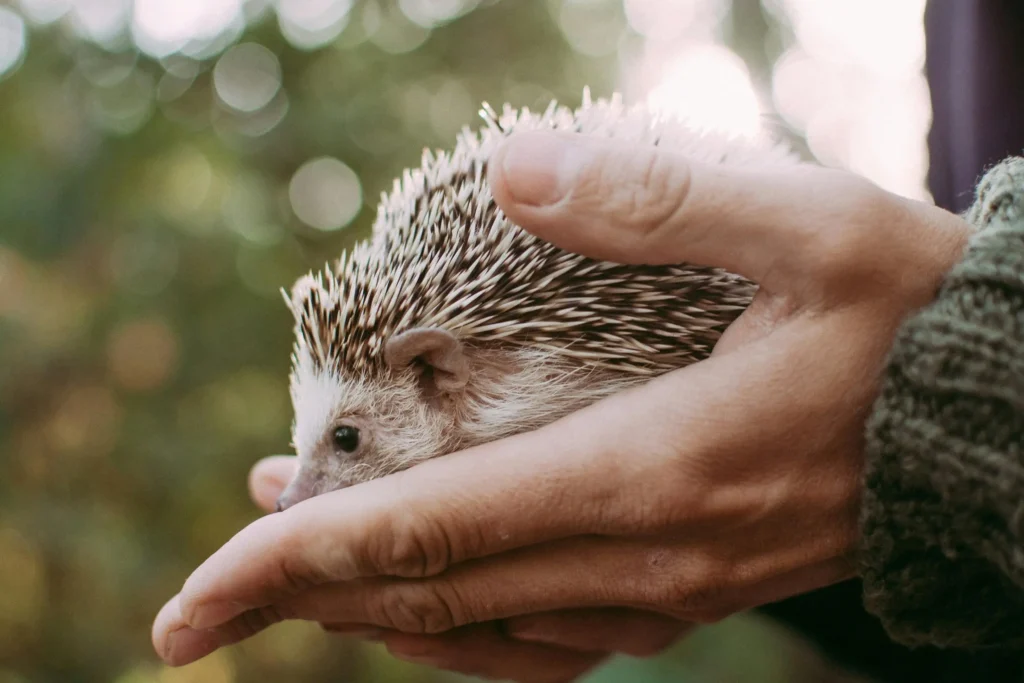
Understanding the Aging Process in Hedgehogs
Physical Changes in Senior Hedgehogs
As hedgehogs age, their bodies undergo several physiological changes that directly impact their dietary requirements. Senior hedgehogs often experience a gradual decline in metabolic rate, typically decreasing by 15-20% compared to their younger counterparts. This metabolic slowdown means that maintaining an appropriate senior hedgehog diet requires careful calorie management to prevent obesity while ensuring adequate nutrition.
The digestive system also becomes less efficient with age. Senior hedgehogs may produce fewer digestive enzymes, making it harder to break down and absorb nutrients from their food. Additionally, their teeth may show signs of wear, making it more difficult to chew harder kibble pieces. These changes necessitate adjustments to both food texture and nutritional composition in a senior hedgehog’s diet.
Common Health Issues in Aging Hedgehogs
Senior hedgehogs are more susceptible to various health conditions that can be managed or prevented through proper nutrition. Kidney disease is prevalent in older hedgehogs, affecting up to 40% of senior pets according to veterinary studies. This condition requires specific dietary modifications, including reduced protein levels and increased moisture content in their senior hedgehog diet.
Heart disease, diabetes, and liver problems also occur more frequently in aging hedgehogs. Each of these conditions benefits from targeted nutritional interventions. For instance, hedgehogs with heart conditions may require sodium-restricted diets, while diabetic hedgehogs need carefully controlled carbohydrate intake as part of their specialized senior hedgehog diet.
Key Nutritional Requirements for Senior Hedgehogs
Protein Adjustments for Older Hedgehogs
While young adult hedgehogs thrive on high-protein diets (typically 30-35% protein), senior hedgehogs often require moderate protein reduction to ease the burden on aging kidneys. An optimal senior hedgehog diet should contain approximately 25-30% protein, depending on the individual hedgehog’s health status and activity level.
The quality of protein becomes even more critical in senior nutrition. High-quality, easily digestible proteins such as chicken meal, turkey meal, and fish meal should form the foundation of a senior hedgehog diet. These proteins provide essential amino acids while being gentler on the digestive system and kidneys compared to lower-quality protein sources.
Fat Content and Weight Management
Senior hedgehogs are prone to weight gain due to decreased activity levels and slower metabolism. However, they still require adequate fat intake for coat health, hormone production, and absorption of fat-soluble vitamins. An ideal senior hedgehog diet should contain 8-15% fat content, with the lower end being appropriate for less active or overweight seniors.
Omega-3 fatty acids become particularly important in senior nutrition, offering anti-inflammatory benefits that can help manage arthritis and support cognitive function. Including fish oil or flaxseed oil supplements in a senior hedgehog’s diet can provide these beneficial fatty acids, though dosage should be determined in consultation with an exotic veterinarian.
Carbohydrates and Fiber Considerations
Unlike younger hedgehogs, who can handle moderate carbohydrate levels, senior hedgehogs benefit from a lower carbohydrate content in their diet. Excessive carbohydrates can contribute to diabetes risk and weight gain. An appropriate senior hedgehog diet should limit carbohydrates to 3-5% of total content.
Fiber requirements may increase slightly for senior hedgehogs to support digestive health and prevent constipation, which becomes more common with age. However, too much fiber can interfere with nutrient absorption, so balance is key in formulating a senior hedgehog diet.
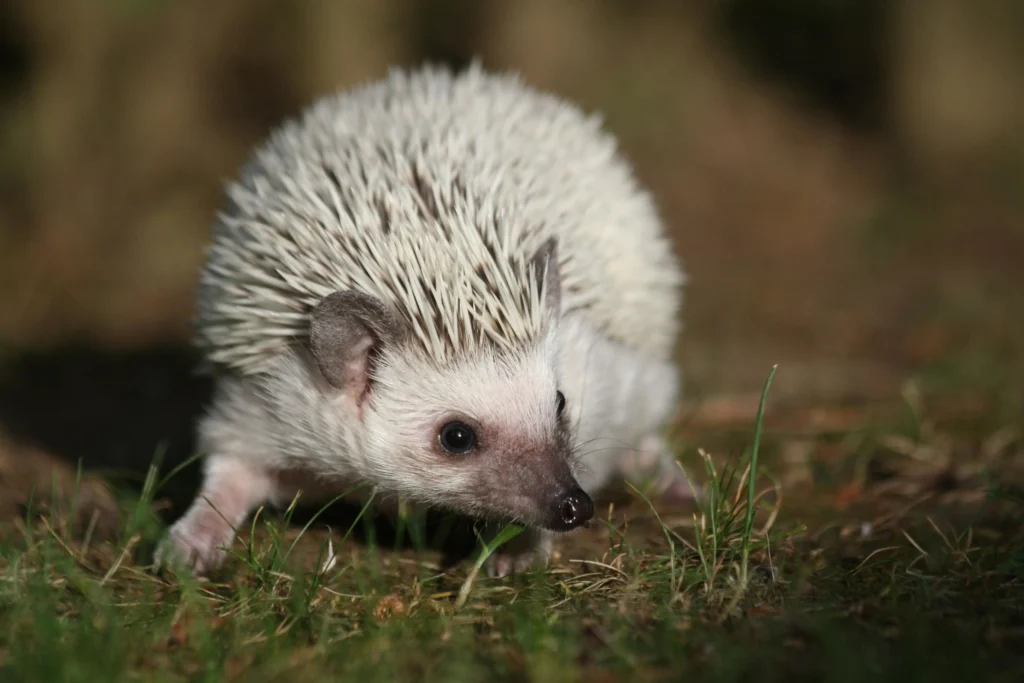
Choosing the Right Food for Your Senior Hedgehog
Commercial Senior Hedgehog Foods
Several manufacturers now produce specialized senior formulations that address the unique needs of aging hedgehogs. These commercial senior hedgehog diet options typically feature reduced protein levels, moderate fat content, and added supplements like glucosamine for joint health and antioxidants for immune system support.
When evaluating commercial options for your senior hedgehog’s diet, look for foods that list high-quality protein sources as the first ingredient, avoid artificial colors and preservatives, and include beneficial additives like probiotics for digestive health. Some top-rated options include Mazuri Hedgehog Diet (senior formula), Spike’s Delite Hedgehog Food, and Blue Buffalo Wilderness Cat Food (as an alternative).
Transitioning to a Senior Diet
The transition to a senior hedgehog diet should be gradual to avoid digestive upset. Begin by mixing 25% of the new senior formula with 75% of their current food for the first week. Gradually increase the proportion of senior food over 3-4 weeks until your hedgehog is eating 100% of the new senior hedgehog diet.
Monitor your hedgehog closely during this transition period. Watch for changes in appetite, stool consistency, and energy levels. Some hedgehogs may initially resist the new food due to texture or taste differences, but patience and persistence usually result in successful acceptance of their new senior hedgehog diet.
Special Dietary Considerations for Senior Hedgehogs
Hydration and Kidney Health
Maintaining proper hydration becomes increasingly important as hedgehogs age, particularly for kidney health. Senior hedgehogs should always have access to fresh, clean water in both bottle and bowl formats. Some seniors may prefer drinking from bowls due to arthritis or other mobility issues affecting their ability to use water bottles effectively.
Consider incorporating wet foods or moistening dry kibble as part of a senior hedgehog diet strategy to increase overall fluid intake. This approach can be particularly beneficial for hedgehogs showing early signs of kidney disease or those prone to urinary tract issues.
Managing Common Health Conditions Through Diet
For senior hedgehogs with specific health conditions, dietary modifications become therapeutic tools. Hedgehogs with kidney disease benefit from a senior hedgehog diet with reduced phosphorus levels and increased moisture content. Those with heart conditions require sodium restriction, while diabetic hedgehogs need carefully controlled carbohydrate intake and potentially smaller, more frequent meals.
Working with an exotic veterinarian experienced in hedgehog care is essential for developing a therapeutic senior hedgehog diet plan tailored to your pet’s specific health needs. Regular monitoring and dietary adjustments may be necessary as conditions progress or improve.
Supplements and Treats for Senior Hedgehogs
Beneficial Supplements for Aging Pets
While a high-quality senior hedgehog diet should provide most necessary nutrients, certain supplements can offer additional health benefits for aging hedgehogs. Glucosamine and chondroitin supplements may help support joint health and mobility, particularly important for hedgehogs showing signs of arthritis.
Probiotics can support digestive health in senior hedgehogs, helping maintain beneficial gut bacteria that may decline with age. Omega-3 fatty acid supplements provide anti-inflammatory benefits and support cognitive function. However, all supplements should be used under veterinary guidance as part of a comprehensive senior hedgehog diet plan.
Safe Treats for Senior Hedgehogs
Treats remain an important part of bonding and enrichment for senior hedgehogs, but choices should align with their senior hedgehog diet requirements. Offer treats in moderation – no more than 10% of total daily calories should come from treats.
Excellent treat options for seniors include small pieces of cooked chicken, mealworms (in moderation), scrambled eggs, and small amounts of fruits like berries or melon. Avoid sugary treats, nuts, seeds, and hard treats that may be difficult for aging teeth to manage. All treats should complement, not compromise, the nutritional balance of your senior hedgehog’s diet.
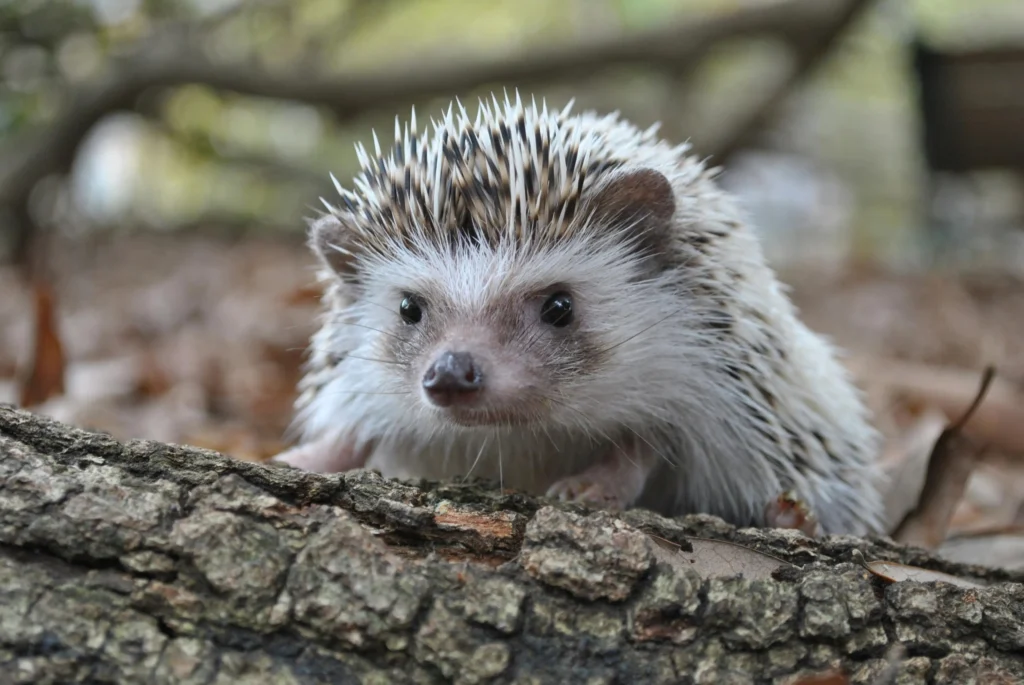
Feeding Schedule and Portion Control
Optimal Feeding Frequency for Seniors
Senior hedgehogs often benefit from modified feeding schedules compared to their younger counterparts. While adult hedgehogs typically do well with free-choice feeding or once-daily meals, seniors may benefit from smaller, more frequent meals. This approach can aid digestion and help maintain stable blood sugar levels, particularly important for diabetic hedgehogs on a specialized senior hedgehog diet.
Consider offering food twice daily – a smaller morning portion and a larger evening meal to align with their natural nocturnal activity patterns. This schedule can help prevent overeating and promote better digestion as part of an optimal senior hedgehog diet regimen.
Portion Size Guidelines
Determining appropriate portion sizes for your senior hedgehog’s diet depends on several factors, including your hedgehog’s current weight, activity level, and overall health status. Most senior hedgehogs require approximately 1-2 tablespoons of high-quality kibble daily, but this may need adjustment based on body condition.
Regular weigh-ins are crucial for monitoring the effectiveness of your senior hedgehog’s diet. Weekly weight checks help identify gradual changes that might indicate the need for dietary adjustments. Maintain a weight log to track trends and share this information with your veterinarian during check-ups.
Monitoring Your Senior Hedgehog’s Health
Signs of Nutritional Success
A well-implemented senior hedgehog diet should result in visible improvements or maintenance of good health indicators. Look for a shiny, healthy coat, appropriate energy levels for their age, good appetite, and normal elimination patterns. Senior hedgehogs on an optimal diet should maintain a stable weight and show good mobility within their age-related limitations.
Regular veterinary check-ups become even more important for senior hedgehogs. Blood work can help monitor kidney and liver function, ensuring that your senior hedgehog’s diet is supporting rather than stressing these vital organs. Most exotic veterinarians recommend bi-annual check-ups for hedgehogs over four years old.
Warning Signs Requiring Dietary Adjustment
Be alert to signs that may indicate your senior hedgehog’s diet needs modification. Sudden weight loss or gain, changes in appetite, lethargy, difficulty eating, or changes in elimination patterns all warrant veterinary attention and possible dietary adjustments.
Dental problems are common in senior hedgehogs and may require switching to softer foods or moistening kibble as part of your senior hedgehog diet strategy. Similarly, mobility issues might necessitate food bowl placement changes or food texture modifications to ensure your senior hedgehog can access and consume their nutrition effectively.
Creating a Long-term Nutrition Plan
Working with Your Veterinarian
Developing and maintaining an effective senior hedgehog diet is an ongoing partnership between you and your exotic veterinarian. Regular consultations help ensure that dietary choices align with your hedgehog’s changing health needs and can help prevent or manage age-related conditions through nutrition.
Your veterinarian can provide specific guidance on protein levels, supplement needs, and feeding strategies based on your individual hedgehog’s health status. They may also recommend periodic blood work to monitor how well your senior hedgehog’s diet is supporting organ function and overall health.
Adapting the Diet as Your Hedgehog Ages
Remember that a senior hedgehog’s diet isn’t a static plan but should evolve as your pet ages. What works for a newly senior 4-year-old hedgehog may need adjustment as they reach 6 or 7 years old. Stay flexible and responsive to your hedgehog’s changing needs, working closely with your veterinary team to optimize their nutrition throughout their senior years.
Keep detailed records of your hedgehog’s response to different foods, supplements, and feeding schedules. This information becomes invaluable for making informed decisions about future senior hedgehog diet adjustments and can help identify patterns in your pet’s health and nutrition needs.
Conclusion
Providing optimal nutrition for your senior hedgehog requires understanding, patience, and commitment to adapting their diet as they age. A well-planned senior hedgehog diet can significantly impact your pet’s quality of life, potentially extending their years and certainly improving their comfort and health during their golden years.
The key to success lies in recognizing that senior hedgehogs have unique nutritional needs that differ from their younger counterparts. From adjusted protein levels and careful weight management to potential therapeutic modifications for health conditions, every aspect of a senior hedgehog’s diet should be thoughtfully considered and regularly evaluated.
Remember that every hedgehog is unique, and what works best for one senior may need modification for another. Stay observant, maintain regular veterinary care, and be prepared to adjust your approach as needed. With proper attention to their changing nutritional needs, your senior hedgehog can enjoy many comfortable, healthy years with the right senior hedgehog diet supporting them every step of the way.
The investment in understanding and implementing proper senior nutrition pays dividends in your hedgehog’s health, happiness, and longevity. By following the guidelines outlined in this comprehensive guide, you’re taking an important step toward ensuring your beloved spiky companion enjoys the best possible quality of life during their senior years.
Frequently Asked Questions (FAQs)
At what age should I transition my hedgehog to a senior hedgehog diet?
Most hedgehogs should transition to a senior hedgehog diet between 3-4 years of age. However, this can vary based on individual health status and your veterinarian’s recommendations. Some hedgehogs with health issues may benefit from senior nutrition earlier, while others may not need the transition until later.
Can I make homemade food for my senior hedgehog’s diet instead of using commercial options?
While it’s possible to prepare homemade meals, creating a balanced senior hedgehog diet requires extensive nutritional knowledge. Commercial senior formulations are generally recommended as they’re specifically formulated to meet aging hedgehogs’ needs. If you prefer homemade options, work closely with an exotic veterinarian to ensure nutritional adequacy.
How do I know if my senior hedgehog’s diet is working effectively?
Signs of an effective senior hedgehog diet include stable weight, good appetite, shiny coat, appropriate energy levels, and normal elimination patterns. Regular veterinary check-ups with blood work can also confirm that the diet is supporting organ health and overall wellness.
Should I eliminate treats from my senior hedgehog diet?
No, treats can still be part of a senior hedgehog’s diet, but should be chosen carefully and given in moderation. Focus on healthy options like small pieces of cooked chicken or appropriate insects, and ensure treats don’t exceed 10% of total daily calories.
My senior hedgehog is losing weight despite eating well. Should I change their senior hedgehog diet?
Unexplained weight loss in senior hedgehogs warrants immediate veterinary attention, as it may indicate underlying health issues. Your veterinarian may recommend diagnostic tests and specific modifications to the senior hedgehog’s diet based on their findings.
Can senior hedgehogs eat the same food as younger adult hedgehogs?
While it’s not immediately harmful, senior hedgehogs benefit significantly from diets specifically formulated for their age group. A proper senior hedgehog diet typically has adjusted protein levels, added supplements for joint and organ health, and modifications to support common age-related conditions.
How often should I feed my senior hedgehog on a senior hedgehog diet?
Many senior hedgehogs benefit from smaller, more frequent meals rather than free-choice feeding. Twice-daily feeding (morning and evening) often works well, but consult with your veterinarian to determine the best schedule for your individual pet’s senior hedgehog diet needs.



Saved as a favorite, I really like your blog!
Very nice post. I just stumbled upon your blog and wished to say that I’ve really enjoyed browsing your blog posts. After all I will be subscribing to your feed and I hope you write again very soon!
I have been examinating out many of your stories and it’s clever stuff. I will make sure to bookmark your site.
Perfect work you have done, this internet site is really cool with excellent information.
Hi there, You have done an incredible job. I’ll certainly digg it and personally recommend to my friends. I am confident they will be benefited from this web site.
I was curious if you ever considered changing the layout of your blog? Its very well written; I love what youve got to say. But maybe you could a little more in the way of content so people could connect with it better. Youve got an awful lot of text for only having 1 or two images. Maybe you could space it out better?