
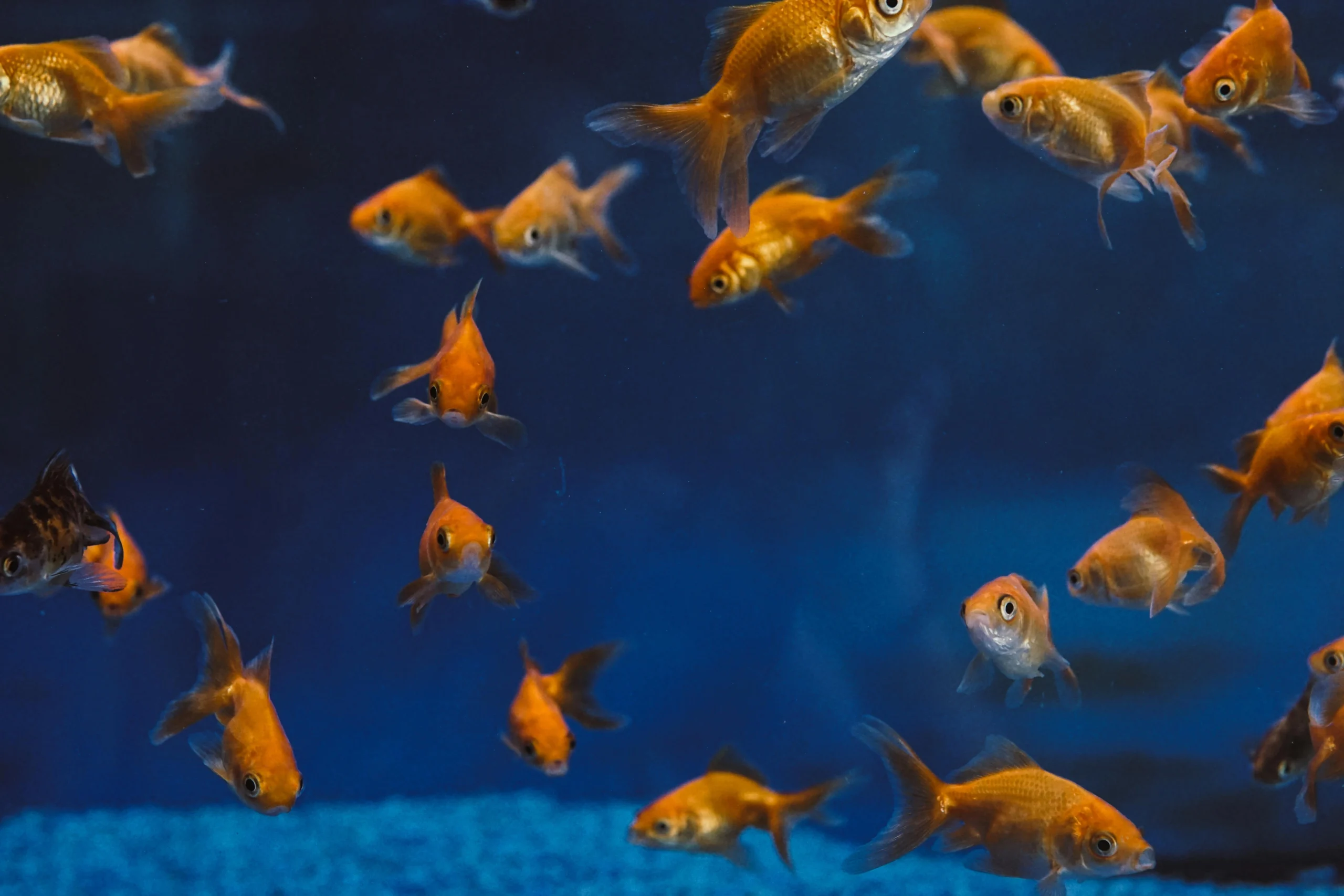
Senior Goldfish Care: 8 Signs Your Fish is Aging Gracefully
Did you know that your beloved goldfish companion could live well beyond 20 years with proper senior goldfish care? While many aquarium enthusiasts assume their finned friends have short lifespans, the reality is quite different. Goldfish are remarkably long-lived creatures that require specialized attention as they enter their golden years. Understanding senior goldfish care becomes crucial when your aquatic pet transitions from a vibrant youngster to a distinguished elder of the tank.
Just like humans and other pets, aging goldfish experience physical and behavioral changes that signal their advancing years. Recognizing these signs isn’t just about curiosity; it’s about adapting your care routine to ensure your senior goldfish enjoys optimal health, comfort, and longevity. From subtle shifts in swimming patterns to changes in appetite and coloration, each indicator tells a story about your fish’s journey through life.
In this comprehensive guide, we’ll explore eight definitive signs that indicate your goldfish is aging gracefully, along with expert-backed strategies for enhanced senior goldfish care. Whether you’re a seasoned aquarist or a devoted goldfish parent, understanding these aging indicators will help you provide the best possible environment for your mature aquatic companion.
Table of Contents
Essential Products for Senior Goldfish Care:
Water Quality & Filtration:
- High-quality canister filter with adjustable flow
- Air pump with air stones for gentle aeration
- Water test kit (ammonia, nitrite, nitrate, pH)
- Water conditioner/dechlorinator
Feeding & Nutrition:
- High-quality sinking pellets (easier for seniors to eat)
- Vitamin-enriched senior fish food
- Blanched vegetables (peas, spinach)
- Feeding tweezers for targeted feeding
Tank Environment:
- Smooth substrate (sand or rounded gravel)
- Soft, rounded decorations for resting spots
- Live or silk plants (avoid plastic with sharp edges)
- Tank heater with thermostat (stable temperature)
Health & Monitoring:
- Aquarium thermometer
- Basic fish medications (antibacterial, antifungal)
- Hospital/quarantine tank (10-20 gallons)
- Aquarium salt for therapeutic baths
Maintenance Tools:
- Gentle gravel vacuum
- Algae scraper with soft pad
- Water change equipment
- Timer for consistent lighting schedule
These products support the specific needs of aging goldfish while maintaining optimal water quality and reducing stress factors common in senior fish care.
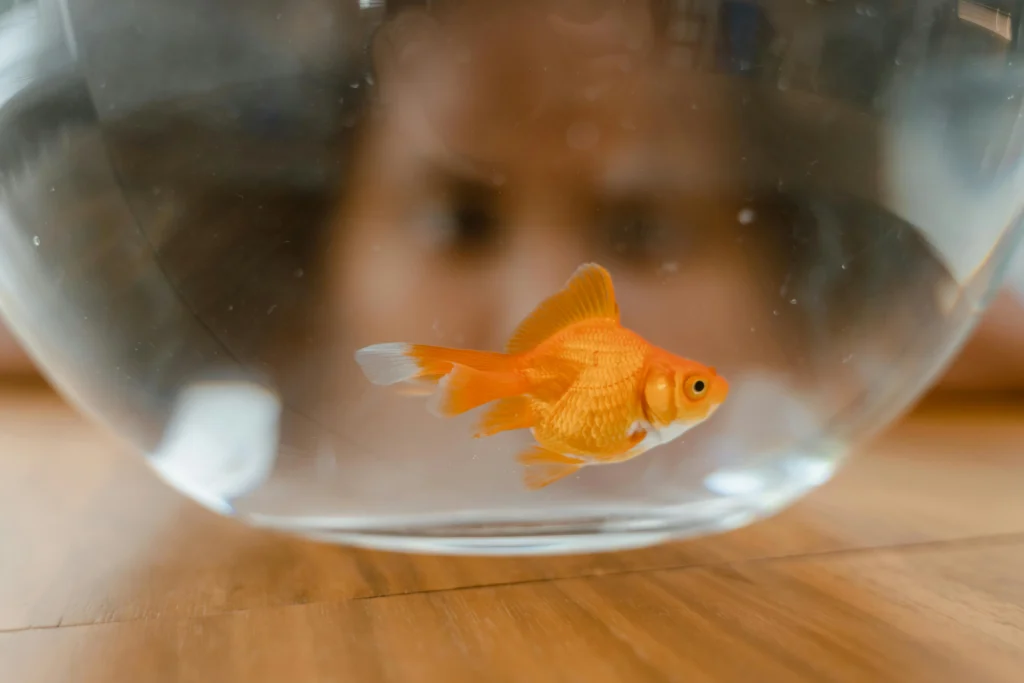
Understanding Goldfish Longevity: The Science Behind Senior Years
Before diving into the specific signs of aging, it’s essential to understand what constitutes “senior” status for goldfish. Research from aquatic veterinarians suggests that goldfish typically enter their senior years around age 10-12, though this can vary significantly based on genetics, care quality, and environmental factors.
The average lifespan of well-cared-for goldfish ranges from 15-25 years, with exceptional cases documented of goldfish living beyond 40 years. This longevity makes senior goldfish care a long-term commitment that many aquarium enthusiasts underestimate. The key to successful aging lies in recognizing early indicators and adjusting care protocols accordingly.
Studies from the Journal of Fish Biology indicate that goldfish experience similar aging processes to other vertebrates, including cellular metabolism changes, immune system decline, and sensory deterioration. Understanding these biological processes helps explain why senior goldfish care requires different approaches than caring for younger fish.
Sign #1: Gradual Changes in Swimming Patterns and Mobility
The first and most noticeable indication of aging in goldfish involves subtle alterations in swimming behavior. Senior goldfish care begins with observing these mobility changes, which typically manifest in several distinct ways.
Aging goldfish often display reduced swimming speed and decreased overall activity levels. Where once your goldfish darted energetically around the tank, senior fish tend to adopt a more leisurely pace. This isn’t necessarily problematic; it’s a natural adaptation to conserving energy as metabolic processes slow down.
Another common swimming pattern change involves increased bottom-dwelling behavior. Senior goldfish frequently spend more time resting near the substrate, using decorations or plants as support. This behavior indicates that maintaining buoyancy requires more effort than in their younger years.
Expert Tip for Senior Goldfish Care: Create “rest zones” in your aquarium using smooth, rounded decorations or live plants where your aging goldfish can comfortably rest without risk of injury.
You might also notice your senior goldfish taking longer pauses between swimming bursts. This stop-and-go pattern is completely normal and indicates your fish is pacing themselves appropriately for their age and energy levels.
Sign #2: Appetite Fluctuations and Feeding Behavior Changes
Nutritional needs and feeding behaviors undergo significant changes as goldfish age, making dietary adjustments a crucial component of senior goldfish care. Aging fish often experience decreased appetite, which can initially concern devoted fish parents.
Senior goldfish typically require smaller, more frequent meals rather than the larger portions they consumed in their prime. Their digestive systems process food more slowly, and overfeeding can lead to serious health complications, including swim bladder disorders and water quality issues.
Behavioral changes around feeding time also become apparent. Where younger goldfish exhibit aggressive feeding behavior, senior fish often approach food more cautiously and methodically. They may take longer to recognize feeding time or show less interest in competing with tankmates for food.
Dietary Recommendations for Senior Goldfish Care:
- Switch to easily digestible, high-quality pellets designed for mature fish
- Incorporate blanched vegetables like peas and leafy greens for digestive health
- Consider supplementing with vitamin-enriched foods to support immune function
- Monitor feeding closely to prevent overfeeding and maintain optimal water quality
Some senior goldfish develop preferences for specific food types or textures, often favoring softer foods over hard pellets. This preference may indicate dental changes or digestive sensitivity common in aging fish.
Sign #3: Color and Physical Appearance Transformations
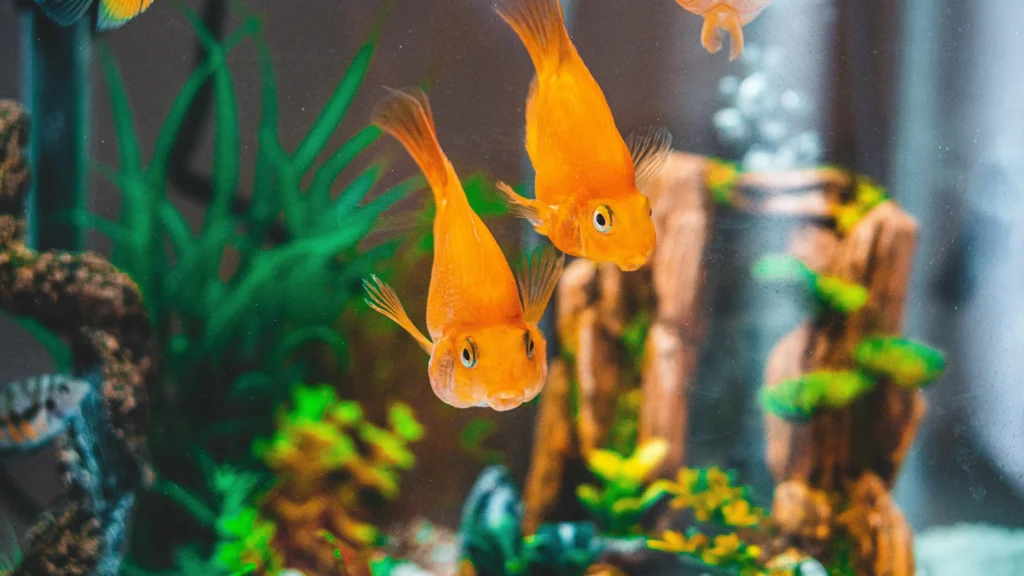
Visual changes represent some of the most striking indicators that senior goldfish care protocols should be implemented. Aging goldfish undergo several appearance transformations that reflect their advancing years.
Color fading is perhaps the most noticeable change. Vibrant oranges, reds, and yellows may gradually become more muted or pale. This color change occurs due to decreased pigment production and is completely natural in senior goldfish. Some fish may develop interesting color patterns or variations that weren’t present in their younger years.
Physical body changes also become apparent with age. Senior goldfish may develop a slightly more rounded or fuller body shape, particularly around the belly area. Their fins might appear less rigid or pointed, taking on a softer, more rounded appearance.
Scale changes are another common indicator requiring attention in senior goldfish care routines. Aging fish may develop slightly raised or rough-textured scales, and some may show minor scale loss in certain areas. While dramatic scale loss indicates health problems, subtle changes are normal aging indicators.
Monitoring Guidelines: Photograph your goldfish monthly to track gradual changes and distinguish between normal aging and potential health issues requiring veterinary attention.
Eye changes also occur in senior goldfish, with some developing a slightly cloudy appearance. This cloudiness, when gradual and uniform, typically indicates normal aging rather than disease.
Sign #4: Sensory Changes and Environmental Awareness
As goldfish age, their sensory capabilities undergo gradual changes that impact their interaction with their environment. Effective senior goldfish care involves recognizing and accommodating these sensory adjustments.
Vision changes are common in aging goldfish. Senior fish may show decreased response to visual stimuli, appearing less aware of movement outside the tank or changes in lighting. They might swim closer to objects before recognizing them or show delayed responses to hand-feeding attempts.
Hearing and lateral line sensitivity may also diminish with age. The lateral line system, which detects water movement and pressure changes, becomes less acute in senior goldfish. This change might manifest as reduced startle responses to sudden movements or vibrations near the tank.
Environmental Adaptations for Senior Goldfish Care:
- Maintain consistent lighting schedules to help aging fish navigate their environment
- Reduce sudden water movements or vibrations that might disorient senior fish
- Position food consistently in the same location to help fish with diminished vision
- Consider adding gentle water circulation to provide subtle current cues
Taste and smell sensitivity may also change, explaining why some senior goldfish become pickier eaters or show different food preferences than they displayed in younger years.
Sign #5: Social Behavior Modifications
Senior goldfish often exhibit notable changes in social behavior, particularly in community tank settings. Understanding these behavioral shifts is essential for comprehensive senior goldfish care.
Aging goldfish frequently become less social, preferring solitary activities over group interactions. They may separate themselves from schooling behavior or choose to occupy different areas of the tank from their younger tankmates. This behavior isn’t necessarily problematic but indicates changing social needs.
Reduced territorial behavior is another common change. Senior goldfish often become less aggressive about defending feeding spots or preferred tank areas. While this can create a more peaceful tank environment, it may also mean senior fish get less access to food in competitive feeding situations.
Social Considerations: Monitor feeding carefully to ensure senior goldfish receive adequate nutrition without competition stress from more aggressive younger tankmates.
Some aging goldfish develop stronger preferences for certain tankmates while showing less interest in others. They might seek out companions with similar activity levels or energy patterns, naturally gravitating toward other senior fish in the tank.
Stress responses also change with age. Senior goldfish may show increased sensitivity to tank disruptions like water changes, new decorations, or tankmate additions. Implementing gradual changes becomes even more important in senior goldfish care protocols.
Sign #6: Respiratory Rate and Gill Movement Changes
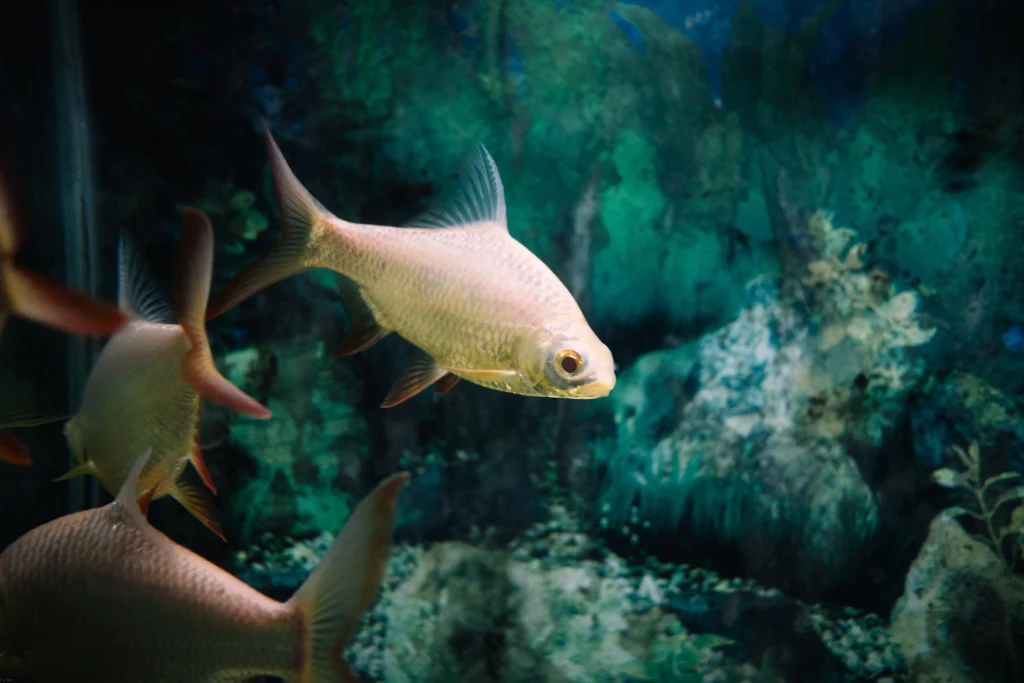
Respiratory patterns provide valuable insights into goldfish aging and overall health status. Observing breathing patterns should be a regular component of senior goldfish care monitoring routines.
Aging goldfish often display slightly increased respiratory rates, with more noticeable gill movement even during rest periods. This change occurs because aging fish require more effort to extract oxygen from water due to decreased gill efficiency and potential cardiovascular changes.
Breath-holding behavior may also change. Senior goldfish might surface for air more frequently, especially in tanks with lower oxygen levels or during warmer weather when dissolved oxygen decreases. This behavior indicates the need for enhanced aeration in senior goldfish care setups.
Respiratory Health Support:
- Ensure excellent water circulation and aeration
- Maintain optimal water temperature ranges (65-72°F for most goldfish varieties)
- Monitor water quality parameters more frequently to prevent respiratory stress
- Consider adding air stones or additional filtration for improved oxygen levels
Some senior goldfish develop more pronounced gill movement patterns, appearing to “work harder” to breathe. While subtle changes are normal, dramatic increases in respiratory effort warrant veterinary consultation.
Sign #7: Sleep Pattern and Activity Rhythm Changes
Understanding sleep and activity patterns becomes increasingly important in senior goldfish care as aging fish often experience circadian rhythm changes similar to those seen in other aging animals.
Senior goldfish typically require more rest periods throughout the day, often displaying increased “napping” behavior. They may remain motionless near the bottom of the tank or in secluded areas for extended periods, which is normal aging behavior rather than illness.
Nighttime behavior patterns may also shift. Some aging goldfish become more active during evening hours, while others may sleep more deeply and show less responsiveness to nighttime disturbances.
Activity Management Tips:
- Maintain consistent lighting schedules to support natural circadian rhythms
- Provide quiet, dimly lit rest areas for daytime napping
- Avoid disturbing obviously resting senior fish unless necessary
- Monitor for dramatic activity changes that might indicate health issues
Day-night activity ratios often change, with senior goldfish showing less dramatic differences between active and rest periods. This smoothing of activity patterns is a normal part of the aging process.
Sign #8: Immune System and Recovery Time Indicators
The final major indicator of aging in goldfish involves changes in immune system function and recovery capabilities. Senior goldfish care must account for these changes to maintain optimal health in aging fish.
Recovery time from minor stresses increases significantly in senior goldfish. Where younger fish might bounce back from water parameter fluctuations or minor injuries within days, senior fish may require weeks for complete recovery.
Increased susceptibility to minor infections or fungal issues becomes apparent with age. Senior goldfish may develop occasional fin rot, minor bacterial infections, or fungal spots that require more aggressive treatment than would be necessary for younger fish.
Health Monitoring for Senior Goldfish Care:
- Inspect fish daily for signs of minor health issues
- Maintain pristine water quality to support immune function
- Quarantine new tankmates longer to prevent disease introduction
- Keep appropriate medications on hand for prompt treatment of minor issues
Stress responses become more pronounced and longer-lasting in senior goldfish. Events that younger fish handle easily, such as tank cleaning or equipment maintenance, may cause extended stress responses in aging fish.
Optimizing Your Senior Goldfish Care Routine
Successfully caring for aging goldfish requires adapting your routine to accommodate their changing needs. The most effective senior goldfish care approaches focus on prevention, consistency, and gentle adaptation rather than dramatic changes.
Water quality becomes even more critical for senior goldfish. Aging fish have reduced tolerance for parameter fluctuations, making consistent maintenance schedules essential. Test water parameters weekly and maintain stable conditions through regular partial water changes.
Feeding schedules should be adjusted to smaller, more frequent meals. Senior goldfish benefit from 2-3 small feedings daily rather than one large meal, supporting their slower digestive processes and reducing waste production.
Environmental enrichment remains important, but should be adapted for senior fish capabilities. Provide comfortable resting spots, gentle water circulation, and consistent lighting while avoiding overstimulation that might stress aging fish.

Creating a Senior-Friendly Aquarium Environment
Physical tank modifications can significantly enhance senior goldfish care. Consider implementing these environmental improvements for aging goldfish:
Substrate choices become more important as senior fish spend increased time near the bottom. Smooth, rounded gravel or sand prevents injury to fish that rest frequently on the substrate.
Decoration placement should create multiple rest areas while maintaining easy navigation paths. Avoid sharp decorations or complex arrangements that might confuse or injure fish with diminished vision or mobility.
Filtration systems should provide excellent water quality without creating strong currents that might exhaust senior fish. Consider adjustable flow rates or multiple smaller filters for optimal water circulation.
When to Consult Aquatic Veterinarians
While many aging changes are normal, certain indicators warrant professional evaluation. Seek veterinary advice if your senior goldfish displays dramatic behavioral changes, refuses food for extended periods, develops visible growths or lesions, or shows signs of distress beyond normal aging patterns.
Regular health check-ups become increasingly valuable for senior fish, even when no obvious problems are apparent. Aquatic veterinarians can provide baseline health assessments and personalized preventive care recommendations tailored to your fish’s specific needs.
Conclusion
Recognizing the signs of aging in your goldfish empowers you to provide exceptional senior goldfish care tailored to their evolving needs. The eight indicators we’ve explored, swimming pattern changes, appetite fluctuations, physical appearance transformations, sensory changes, social behavior modifications, respiratory adjustments, activity rhythm shifts, and immune system changes, serve as your roadmap for understanding your fish’s aging journey.
Remember that aging is a natural, often graceful process when supported by attentive care. Your senior goldfish can continue enjoying a high quality of life for many years with appropriate environmental adaptations, nutritional adjustments, and health monitoring.
The key to successful senior goldfish care lies in observation, adaptation, and consistency. By understanding these aging signs and implementing appropriate care modifications, you’re ensuring your beloved aquatic companion can truly age gracefully in the comfort of their well-maintained home.
Your dedication to learning about senior goldfish care demonstrates the deep bond between fish and their human caregivers. This knowledge will serve you well as your goldfish continues their journey through their golden years, surrounded by the love and expert care they deserve.
Frequently Asked Questions About Senior Goldfish Care
How old is considered “senior” for goldfish?
Goldfish typically enter their senior years around 10-12 years of age, though this can vary based on genetics, care quality, and environmental factors. Well-cared-for goldfish regularly live 15-25 years, with some exceptional cases reaching 40+ years.
Should I change my senior goldfish’s diet?
Yes, senior goldfish care should include dietary adjustments. Offer smaller, more frequent meals with easily digestible, high-quality pellets. Incorporate blanched vegetables and consider vitamin-enriched foods to support immune function and overall health.
Is it normal for my aging goldfish to be less active?
Absolutely. Reduced activity levels and slower swimming speeds are completely normal parts of goldfish aging. Senior fish naturally conserve energy and may spend more time resting near the bottom of the tank or in secluded areas.
When should I be concerned about changes in my senior goldfish?
While gradual changes are normal, consult an aquatic veterinarian if your senior goldfish displays dramatic behavioral shifts, refuses food for extended periods, develops visible growths or lesions, or shows signs of distress beyond typical aging patterns.
Can I add new tankmates to a tank with senior goldfish?
Exercise caution when introducing new fish to senior goldfish tanks. Aging fish have increased stress sensitivity and may be more susceptible to diseases carried by new tankmates. Quarantine new additions longer and monitor interactions carefully.
How often should I test water quality for senior goldfish?
Test water parameters weekly for senior goldfish, as aging fish have reduced tolerance for fluctuations. Maintain stable conditions through consistent partial water changes and excellent filtration to support their compromised immune systems.
Do senior goldfish need special equipment or tank modifications?
Consider adding gentle aeration for improved oxygen levels, providing comfortable resting spots with smooth decorations, and ensuring easy navigation paths. Avoid strong currents that might exhaust aging fish while maintaining excellent water circulation.
Why is my senior goldfish’s color fading?
Color fading is a natural part of goldfish aging caused by decreased pigment production. Vibrant oranges, reds, and yellows typically become more muted over time. This change is cosmetic and doesn’t indicate health problems when it occurs gradually.





Hello there, I found your site via Google even as looking for a similar matter, your web site came up, it seems to be great. I have bookmarked it in my google bookmarks.
thank you
Thank you for sharing superb informations. Your web-site is very cool. I’m impressed by the details that you?¦ve on this website. It reveals how nicely you understand this subject. Bookmarked this web page, will come back for extra articles. You, my pal, ROCK! I found simply the info I already searched everywhere and simply could not come across. What a perfect web site.
I really appreciate this post. I’ve been looking everywhere for this! Thank goodness I found it on Bing. You’ve made my day! Thx again!
Some truly nice stuff on this site, I like it.
Thank you for the sensible critique. Me and my neighbor were just preparing to do some research about this. We got a grab a book from our area library but I think I learned more clear from this post. I am very glad to see such magnificent information being shared freely out there.
Glad to be one of many visitors on this awe inspiring internet site : D.
Whats up very cool blog!! Guy .. Beautiful .. Amazing .. I will bookmark your blog and take the feeds alsoKI am satisfied to find so many helpful information here within the put up, we want work out more techniques on this regard, thank you for sharing. . . . . .