Senior Dog Coughing and Gagging: Heart Disease vs Kennel Cough – A Complete Guide for Concerned Pet Parents
If you’ve noticed your senior dog coughing and gagging lately, you’re probably feeling worried and searching for answers. That persistent hack, the uncomfortable gagging sounds, and your aging companion’s distressed expression can be heartbreaking to witness. As a devoted pet parent, understanding whether your senior dog coughing and gagging is experiencing something temporary like kennel cough or a more serious condition like heart disease is crucial for their well-being.
This comprehensive guide will help you distinguish between these two common causes of respiratory distress in older dogs, recognize warning signs, and understand when immediate veterinary attention is necessary for your senior dog coughing and gagging.
Essential Products for Senior Dogs with Coughing & Gagging
For Heart Disease Management:
- Elevated Orthopedic Dog Bed
- Raises head 30-45 degrees to ease breathing
- Memory foam reduces joint pressure
- Recommended: Big Barker Orthopedic Bed with wedge pillow
- Automatic Water Fountain
- Encourages hydration without effort
- Multiple stations prevent overexertion
- Recommended: PetSafe Drinkwell Platinum Fountain
- Pet Ramp or Stairs
- Eliminates jumping strain on the heart
- Reduces cardiac workload
- Recommended: PetSafe CozyUp Bed Ramp
- Digital Pet Thermometer
- Monitors for fever during coughing episodes
- Quick readings (10 seconds)
- Recommended: iProven Pet Thermometer
- Respiratory Rate Monitor App
- Tracks breathing patterns at home
- Free options: Cardalis app or PetPace collar
For Kennel Cough Recovery:
- Cool Mist Humidifier
- Soothes irritated airways
- Reduces coughing fits
- Recommended: Pure Enrichment MistAire Humidifier
- No-Pull Harness (Not Collar)
- Prevents throat pressure triggering coughs
- Essential during recovery
- Recommended: Ruffwear Front Range Harness
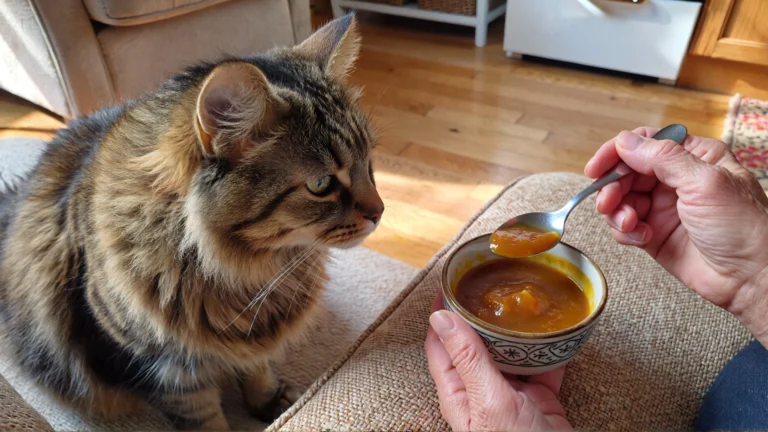
- Manuka Honey (Pet-Safe)
- Natural cough suppressant
- 1 tsp per 20 lbs, twice daily
- Recommended: Wedderspoon Raw Manuka Honey
- Elevated Slow Feeder Bowl
- Reduces gagging during meals
- Comfortable eating position
- Recommended: Neater Feeder Deluxe
- Soft Recovery Cone Alternative
- If prescribed medications cause licking
- Comfortable during recovery
- Recommended: ZenPet ProCollar
Supplements & Support:
- Omega-3 Fish Oil for Dogs
- Supports cardiac health
- Anti-inflammatory properties
- Recommended: Nordic Naturals Pet Omega-3
- Probiotic Supplement
- Boosts the immune system
- Supports respiratory health
- Recommended: Purina Pro Plan FortiFlora
- L-Carnitine & Taurine Supplement
- Essential for heart disease prevention
- Supports cardiac muscle function
- Recommended: VetriScience Cardio Strength
Monitoring Tools:
- Pet Camera with Two-Way Audio
- Monitor coughing episodes when away
- Provides reassurance
- Recommended: Furbo Dog Camera
- Pill Pocket Treats
- Makes medication administration easier
- Reduces stress during treatment
- Recommended: Greenies Pill Pockets
Budget-Friendly Tip: Start with the top 5 essentials (elevated bed, harness, humidifier, honey, and water fountain) and add others based on your veterinarian’s recommendations and your senior dog’s specific needs.
Safety Note: Always consult your veterinarian before introducing new supplements or products, especially if your senior dog is on prescription medications for heart disease.
Understanding Why Your Senior Dog Coughing and Gagging
When a senior dog starts coughing and gagging, it’s their body’s way of signaling that something is irritating their respiratory system. Unlike younger dogs who might simply have inhaled dust or gotten overly excited, older canines require more careful evaluation because their symptoms often indicate underlying health conditions.
The coughing reflex in senior dogs can stem from various sources, including:
- Cardiac complications affecting the heart’s ability to pump blood efficiently
- Respiratory infections like kennel cough or pneumonia
- Tracheal collapse is common in small-breed seniors
- Chronic bronchitis develops over years of exposure to irritants
- Laryngeal paralysis affecting the throat muscles
- Pulmonary issues, including tumors or fluid accumulation
According to veterinary cardiology data, approximately 10% of all dogs will develop heart disease during their lifetime, with the prevalence increasing dramatically in dogs over 13 years old, reaching nearly 75% in some breeds. Meanwhile, kennel cough remains one of the most common infectious respiratory diseases affecting dogs of all ages, making any senior dog coughing and gagging a candidate for thorough evaluation.

Heart Disease in Senior Dogs: The Silent Progression
What Happens When Your Senior Dog Has Heart Disease
When your senior dog is coughing and gagging due to heart disease, what you’re witnessing is often the result of a progressive condition that has been developing quietly for months or even years. The most common form of heart disease in older dogs is Degenerative Mitral Valve Disease (DMVD), which affects the heart’s ability to maintain proper blood flow.
As the heart weakens, fluid begins backing up into the lungs, a condition called pulmonary edema. This fluid accumulation irritates the airways, triggering that distinctive cough you’re hearing when your senior dog is coughing and gagging. Think of it like trying to breathe through a damp towel; your senior dog’s lungs are struggling with excess moisture that shouldn’t be there.
Recognizing Heart Disease Coughing Patterns
A senior dog coughing and gagging from heart disease typically displays these characteristic patterns:
The “Honking” Cough: Many pet parents describe this as sounding like a goose honk. It’s often dry initially but may become moist as fluid accumulates. When your senior dog is coughing and gagging with this honking sound, heart disease should be on your radar.
Nighttime Worsening: Heart-related coughing in senior dogs intensifies when lying down because gravity allows more fluid to pool in the lungs. You might notice your senior dog coughing and gagging suddenly at night, waking up gasping, or changing sleeping positions frequently.
Exercise Intolerance: Your senior dog coughing and gagging during or immediately after mild activity suggests the heart can’t meet increased oxygen demands. Even a short walk around the block may trigger episodes.
The Gagging Component: The gagging you observe when your senior dog coughing and gagging isn’t typically productive vomiting but rather an attempt to clear the throat of that uncomfortable sensation caused by lung fluid.
Additional Heart Disease Warning Signs
Beyond your senior dog coughing and gagging, watch for these red flags:
- Behavioral changes: Restlessness, especially at night, or reluctance to lie down
- Breathing abnormalities: Rapid breathing (more than 30 breaths per minute at rest), labored breathing, or open-mouth breathing
- Physical changes: Swollen abdomen from fluid retention, pale or bluish gums, unexplained weight loss
- Energy decline: Dramatic decrease in stamina, reluctance to climb stairs or jump
- Fainting episodes: Brief collapses or wobbly spells, particularly after excitement
Research published in the Journal of Veterinary Internal Medicine indicates that senior dogs with untreated heart disease have a median survival time of 6-14 months after symptoms begin, but early intervention can extend quality of life significantly, sometimes by years.
Kennel Cough in Senior Dogs: The Contagious Culprit
Understanding Kennel Cough Beyond the Kennel
Despite its name, kennel cough (infectious tracheobronchitis) doesn’t require a kennel visit to develop. Your senior dog coughing and gagging could have contracted this highly contagious respiratory infection anywhere dogs congregate, dog parks, grooming salons, veterinary clinics, or even during neighborhood walks where nose-to-nose greetings occurred.
Kennel cough results from various infectious agents, most commonly Bordetella bronchiseptica bacteria combined with viral components like canine parainfluenza or canine adenovirus. These pathogens inflame the trachea and bronchi, creating that signature harsh cough that leaves your senior dog coughing and gagging repeatedly.
The Distinctive Kennel Cough Sound
When a senior dog is coughing and gagging from kennel cough, the sound is unmistakable once you’ve heard it:
The “Goose Honk” Cough: A forceful, dry, hacking cough that sounds exactly like a goose honking. It’s often followed by gagging or retching when your senior dog is coughing and gagging.
The Gag-Retch Sequence: Many dogs with kennel cough perform a distinctive sequence: forceful cough → multiple gags → occasionally producing white foam or mucus. This pattern is classic for a senior dog coughing and gagging with kennel cough.
Triggered Episodes: The coughing fits often start suddenly when your senior dog gets excited, pulls on the leash (pressure on the throat), drinks water, or wakes up.
Kennel Cough Progression Timeline
Understanding the typical kennel cough timeline helps differentiate it from heart disease when your senior dog is coughing and gagging:
- Days 1-3: Incubation period (no symptoms yet, but your senior dog is contagious)
- Days 3-5: Sudden onset of that characteristic honking cough and gagging
- Days 5-10: Peak severity, your senior dog coughing and gagging most frequently
- Days 10-21: Gradual improvement, though cough may linger for 2-3 weeks
- Full recovery: Usually within 3 weeks for otherwise healthy dogs
For senior dogs or those with compromised immune systems, kennel cough can take 4-6 weeks to fully resolve and may progress to pneumonia if untreated, making any senior dog coughing and gagging for more than three weeks worthy of follow-up examination.

Additional Kennel Cough Symptoms
A senior dog coughing and gagging from kennel cough typically maintains normal behavior otherwise:
- Normal appetite: They still want to eat despite coughing episodes
- Normal energy levels: Still playful and active between coughing fits
- Normal body temperature: Usually no fever (unless complications develop)
- Clear nasal discharge: May have some runny nose, but usually clear, not yellow or green
- Temporary voice changes: Laryngitis-like voice alterations
The key distinction: despite the dramatic episodes of your senior dog coughing and gagging, most dogs with uncomplicated kennel cough act relatively normal otherwise.
Critical Differences: Heart Disease vs Kennel Cough in Senior Dogs
Side-by-Side Comparison
Understanding these distinctions helps determine whether your senior dog coughing and gagging needs emergency care or routine veterinary attention:
Onset Speed
- Heart Disease: Gradual worsening over weeks to months
- Kennel Cough: Sudden onset within 3-10 days of exposure
Cough Timing
- Heart Disease: Worse at night, when lying down, or after mild exertion
- Kennel Cough: Triggered by excitement, pressure on the throat, or randomly throughout the day
Overall Health
- Heart Disease: Progressive weakness, exercise intolerance, behavioral changes
- Kennel Cough: Otherwise normal energy, appetite, and behavior
Breathing Pattern
- Heart Disease: Increased respiratory rate even at rest, labored breathing
- Kennel Cough: Normal breathing between coughing episodes
Disease Duration
- Heart Disease: Chronic, progressive, requires ongoing management
- Kennel Cough: Self-limiting, typically resolves in 2-3 weeks
Response to Rest
- Heart Disease: Coughing persists or worsens even with complete rest
- Kennel Cough: Improves with rest and supportive care
When Your Senior Dog Needs Emergency Care
If your senior dog is coughing and gagging and shows any of these emergency signs, seek immediate veterinary attention:
- Respiratory distress: Gasping for air, blue or purple gums, severe breathing difficulty
- Collapse or fainting: Any loss of consciousness
- Extreme lethargy: Unable or unwilling to stand
- Distended abdomen: Rapid belly swelling
- Persistent open-mouth breathing: Especially if accompanied by an anxious expression
- Coughing up blood: Any pink-tinged foam or blood
These symptoms suggest your senior dog coughing and gagging is experiencing a medical crisis requiring immediate intervention.
Diagnostic Approaches: What Your Veterinarian Will Do
Comprehensive Evaluation Process
When you bring your senior dog in for coughing and gagging, expect a thorough diagnostic workup:
Physical Examination: Your veterinarian will listen to your dog’s heart and lungs with a stethoscope, checking for:
- Heart murmurs (graded 1-6, with 6 being the most severe)
- Abnormal lung sounds (crackles suggesting fluid, wheezes indicating airway constriction)
- Irregular heartbeats or rhythms
- Throat sensitivity that triggers the coughing and gagging episodes
Diagnostic Imaging
- Chest X-rays: The gold standard for evaluating heart size, lung appearance, and ruling out other conditions when your senior dog is coughing and gagging. An enlarged heart casting a characteristic “valentine” shape often indicates heart disease. Clear lungs with a normal heart size suggest kennel cough.
- Echocardiogram (heart ultrasound): Provides detailed visualization of heart function, valve problems, and blood flow patterns essential for staging heart disease.
Laboratory Testing
- Complete blood count: Identifies infection, anemia, or immune issues
- Blood chemistry panel: Evaluates organ function, particularly the kidneys and liver
- NT-proBNP test: A cardiac biomarker that elevates with heart disease incredibly useful for distinguishing cardiac from respiratory causes when your senior dog is coughing and gagging
Additional Diagnostics
- Tracheal wash or bronchoscopy: For persistent cases where kennel cough or other infections are suspected
- ECG (electrocardiogram): Evaluates heart rhythm abnormalities
- Blood pressure measurement: Hypertension often accompanies heart disease
Cost Considerations and Planning
Understanding diagnostic costs helps you prepare when your senior dog is coughing and gagging:
- Basic exam and X-rays: $200-400
- Echocardiogram: $400-800
- NT-proBNP test: $75-150
- Complete laboratory panel: $150-300
While these costs may seem significant, accurate diagnosis prevents expensive emergencies and ensures your senior dog coughing and gagging receive appropriate treatment from the start.
Treatment Strategies: Managing Your Senior Dog’s Condition
Heart Disease Management
If your senior dog is coughing and gagging due to heart disease, treatment focuses on:
Medications
- Diuretics (Furosemide/Lasix): Remove excess fluid from lungs and body, reducing the coughing and gagging episodes
- ACE inhibitors (Enalapril, Benazepril): Relax blood vessels, reducing heart workload
- Pimobendan (Vetmedin): Strengthens heart contractions and dilates blood vessels
- Beta-blockers: Control heart rate and rhythm in specific cases
Dietary Modifications
- Low-sodium prescription diets reduce fluid retention
- Omega-3 fatty acid supplementation supports cardiac health
- Maintaining optimal body weight reduces cardiac stress
Lifestyle Adjustments
- Moderate exercise appropriate to your dog’s capacity
- Stress reduction and a calm environment
- Elevated sleeping positions to ease breathing and reduce nighttime coughing
- Environmental temperature control (avoiding extremes)
Monitoring Protocol: Regular veterinary rechecks every 3-6 months, including:
- Chest X-rays to monitor heart size and lung fluid
- Blood work to check organ function and medication effects
- At-home respiratory rate monitoring (ideally 15-30 breaths per minute at rest)
With proper management, many senior dogs with heart disease enjoy excellent quality of life for years, with significantly reduced episodes of coughing and gagging.

Kennel Cough Treatment
For a senior dog coughing and gagging from kennel cough, treatment includes:
Supportive Care (Mild Cases)
- Rest and activity restriction for 1-2 weeks
- Humidity therapy using a humidifier or steamy bathroom sessions
- Honey (1 teaspoon per 20 pounds of body weight, twice daily) for natural cough suppression
- Ensuring adequate hydration and nutrition
Medical Intervention
- Cough suppressants: Hydrocodone or butorphanol for severe coughing affecting sleep and eating
- Antibiotics: Doxycycline or azithromycin if bacterial infection is suspected or confirmed
- Bronchodilators: Albuterol in severe cases with significant airway constriction
- Anti-inflammatories: To reduce tracheal irritation
Recovery Timeline Optimization
- Isolation from other dogs for 2-3 weeks to prevent spread
- Using a harness instead of a collar to avoid throat pressure that triggers coughing
- Small, frequent meals if the coughing and gagging make eating difficult
- Avoiding irritants like smoke, perfumes, or aerosol sprays
Most senior dogs recover completely from kennel cough within 3-4 weeks, though your senior dog may continue coughing and gagging mildly for slightly longer.
Prevention Strategies: Protecting Your Senior Dog
Heart Disease Prevention
While genetics play a significant role, you can reduce heart disease risk and minimize your senior dog coughing and gagging from cardiac causes:
Nutrition Excellence
- High-quality protein sources supporting muscle maintenance
- Antioxidant-rich foods supporting cellular health
- Appropriate calorie control prevents obesity
- Taurine and L-carnitine supplementation for certain breeds
Regular Veterinary Care
- Annual senior wellness exams (biannually for dogs over 10)
- Early detection through heart auscultation before your senior dog starts coughing and gagging
- Baseline cardiac biomarker testing for at-risk breeds
- Dental care prevents bacteria from reaching the heart
Lifestyle Optimization
- Daily moderate exercise maintains cardiovascular fitness
- Weight management, reducing cardiac workload
- Stress reduction through consistent routines
- Environmental enrichment supporting mental health
Breed-Specific Awareness Cavalier King Charles Spaniels, Dachshunds, Poodles, and small terriers face a higher heart disease risk, warranting earlier and more frequent cardiac screening before symptoms like your senior dog coughing and gagging appear.
Kennel Cough Prevention
Protecting your senior dog from kennel cough and the resulting coughing and gagging involves:
Vaccination Protocol
- Core vaccines: DHPP (includes parainfluenza)
- Bordetella vaccine: Every 6-12 months for at-risk dogs
- Intranasal vaccines: Provide faster immunity and broader protection
- Timing boosters: 5-7 days before exposure situations
Environmental Management
- Limiting exposure during local outbreaks
- Choosing well-ventilated boarding and grooming facilities
- Avoiding crowded dog parks when your senior’s immunity is compromised
- Maintaining distance during walks with unknown dogs
Immune System Support
- High-quality senior dog nutrition
- Probiotic supplementation supporting respiratory immunity
- Stress minimization (chronic stress weakens the immune response)
- Adequate rest and sleep
Remember: even vaccinated senior dogs can contract kennel cough and experience coughing and gagging, though symptoms are typically milder and shorter-lived.
Living with a Senior Dog Who Coughs: Quality of Life Considerations
When Heart Disease Is the Cause
Managing a senior dog coughing and gagging from heart disease requires commitment but offers rewarding companionship:
Creating Comfort
- Orthopedic beds are elevated 30-45 degrees, supporting easier breathing
- Multiple water stations are provided to prevent overexertion while drinking
- Ramps or stairs eliminate jumping strain
- Climate-controlled environments (60-75°F optimal)
Monitoring Your Dog’s Status Track these metrics weekly to catch worsening of your senior dog coughing and gagging:
- Resting respiratory rate (count breaths for 60 seconds while sleeping)
- Coughing frequency and severity
- Exercise tolerance changes
- Appetite and water consumption
- Behavioral shifts
Apps like Cardalis or simple spreadsheets help track trends, alerting you to deterioration before crises occur.
Knowing When to Reassess Quality of life assessments ensure your decisions honor your dog’s wellbeing:
- Can they enjoy favorite activities, even modified versions?
- Are they more comfortable than uncomfortable?
- Do they still engage with family members?
- Are they eating and drinking adequately?
- Is their pain controlled?
When Kennel Cough Is the Cause
The temporary nature of kennel cough means your focus shifts to comfort during the weeks your senior dog is coughing and gagging:
Comfort During Recovery
- Creating a quiet, stress-free recovery space
- Using humidifiers adds moisture to the air
- Offering soft foods if throat soreness develops
- Providing extra cuddles and reassurance
Preventing Secondary Complications
- Watching for worsening symptoms suggesting pneumonia
- Monitoring temperature (normal: 100.5-102.5°F)
- Ensuring adequate hydration
- Completing full antibiotic courses if prescribed
Post-Recovery Care Once your senior dog stops coughing and gagging, gradually reintroduce normal activities over 1-2 weeks, allowing full respiratory recovery.

Conclusion: Empowering Your Decisions for Your Senior Dog
When your senior dog is coughing and gagging, you’re facing one of pet ownership’s challenging moments, balancing concern with informed action. Understanding the critical differences between heart disease and kennel cough empowers you to respond appropriately, whether that means scheduling a routine veterinary appointment or seeking emergency care.
Heart disease in senior dogs represents a manageable chronic condition that, with proper treatment, allows many dogs years of quality life. The key lies in early detection, consistent medication adherence, and thoughtful lifestyle modifications that honor your dog’s changing needs.
Kennel cough, while temporarily alarming when your senior dog is coughing and gagging intensely, typically resolves completely with supportive care and patience. Prevention through vaccination and smart exposure management protects your aging companion.
Trust your instincts; you know your dog better than anyone. If something feels wrong beyond a typical kennel cough, advocate for a thorough diagnostic evaluation. If your senior dog is coughing and gagging in ways that frighten you or prevent normal activities, don’t wait.
Remember, every senior dog coughing and gagging deserves individualized attention because behind each symptom is a unique individual with specific needs. Whether you’re managing chronic heart disease or nursing your dog through temporary kennel cough, your attentive care makes the profound difference between merely surviving and truly thriving.
Your next step: Schedule that veterinary appointment you’ve been considering, start monitoring your dog’s resting respiratory rate, or update their vaccination status. Your senior dog coughing and gagging is communicating a need, and you now know to respond with confidence and compassion.
Frequently Asked Questions (FAQs) Senior Dog Coughing and Gagging
Q: How can I tell if my senior dog coughing and gagging needs emergency care versus a regular vet appointment?
A: Emergency signs include blue/purple gums, gasping for air, collapse, inability to stand, distended abdomen, or coughing up blood. If your senior dog maintains normal energy, appetite, and breathing between episodes of coughing and gagging, schedule a regular appointment within 24-48 hours. When in doubt, call your veterinary clinic. They can help determine urgency over the phone.
Q: Can my senior dog have both heart disease and kennel cough at the same time?
A: Absolutely. Senior dogs with existing heart disease can contract kennel cough, which complicates diagnosis and increases pneumonia risk. If your senior dog with diagnosed heart disease suddenly worsens or develops different patterns of coughing and gagging, contact your veterinarian promptly. Dogs with heart disease may struggle more with respiratory infections and require more aggressive treatment.
Q: How long should I wait before taking my senior dog coughing and gagging to the vet?
A: For new-onset coughing in senior dogs, schedule a veterinary evaluation within 3-5 days, even if other symptoms aren’t present. Senior dogs deserve prompt attention because early intervention significantly improves outcomes for both heart disease and respiratory infections. Never wait more than a week for persistent episodes of your senior dog coughing and gagging.
Q: Is it normal for my senior dog’s heart disease cough to improve with medication but never completely disappear?
A: Many senior dogs with heart disease maintain a mild, occasional cough even with excellent medication management. This residual cough is often acceptable if your dog’s quality of life remains good. However, increasing frequency of your senior dog coughing and gagging, nighttime worsening, or difficulty breathing signals that medication adjustments are needed—contact your veterinarian for a recheck.
Q: Can I give my senior dog over-the-counter cough medicine when they’re coughing and gagging?
A: Never administer human medications without veterinary guidance. Many common cough suppressants contain ingredients toxic to dogs (like acetaminophen or pseudoephedrine). Your veterinarian can prescribe safe, appropriate cough suppressants if needed. Safe home remedies include honey (1 teaspoon per 20 pounds twice daily) and humidity therapy.
Q: My senior dog coughing and gagging and producing white foam. What does this mean?
A: White foam typically indicates airway irritation with mucus production and can occur with both heart disease and kennel cough. With heart disease, foam may appear pink-tinged (indicating lung fluid), while kennel cough produces clear to white foam. The foam itself isn’t diagnostic, but combined with other symptoms helps your veterinarian determine why your senior dog is coughing and gagging.
Q: Should I restrict my senior dog’s exercise if they’re coughing and gagging?
A: Yes, moderate activity restriction is appropriate until diagnosis. For suspected kennel cough, limit vigorous exercise for 2-3 weeks to allow respiratory healing. For heart disease, your veterinarian will provide specific exercise guidelines based on disease severity. Typically short, slow walks are beneficial, while intense activities that trigger your senior dog coughing and gagging should be avoided.
Q: How accurate is the kennel cough vaccine in preventing my senior dog from coughing and gagging?
A: The Bordetella vaccine is approximately 70-80% effective at preventing kennel cough, with effectiveness potentially lower in senior dogs with weaker immune systems. However, vaccinated dogs who do contract kennel cough typically experience milder, shorter illnesses with less severe episodes of coughing and gagging. For seniors, vaccination remains valuable despite imperfect protection, especially if they’re exposed to other dogs regularly.
Q: Can changing my senior dog’s diet help reduce episodes of coughing and gagging from heart disease?
A: Yes, therapeutic cardiac diets significantly help by reducing sodium intake, which decreases fluid retention and lung congestion. Many senior dogs show noticeable improvement with fewer episodes of coughing and gagging within 2-4 weeks of dietary changes. However, diet alone won’t control heart disease; medications remain essential. Always transition foods gradually over 7-10 days to avoid gastrointestinal upset.
Q: My senior dog coughs more when excited. Is this heart disease or kennel cough causing the coughing and gagging?
A: Both conditions can worsen with excitement, making this symptom less diagnostic. With kennel cough, excitement triggers episodes of coughing and gagging through increased airway pressure and rapid breathing. With heart disease, excitement increases heart rate and oxygen demand that the compromised heart struggles to meet. Other symptoms and diagnostic testing differentiate the two conditions more reliably than cough triggers alone.