Senior Cat Kidney Disease Diet
As your cat gets older, their kidneys start to wear out. This makes them more likely to get kidney problems. A good diet is key to managing this and keeping your pet happy and healthy.
Creating a diet plan that fits your pet’s needs can make a big difference. In this article, we’ll look at the best Senior Cat Kidney Disease Diet. We’ll cover the importance of a balanced diet, prescription foods, and over-the-counter options.
Learning about your aging pet’s dietary needs is a big step. It helps you give them the care they need to live a long and healthy life.
Understanding Senior Cat Kidney Disease Diet
As your cat gets older, it’s key to understand kidney disease. This condition is common in older cats. It happens when the kidneys can’t filter waste properly, causing toxins to build up in the body.
How Kidney Disease Affects Aging Cats
Kidney disease makes it hard for older cats’ kidneys to filter waste and manage electrolytes. This can cause increased thirst and urination. To manage this, a good diet, staying hydrated, and regular vet visits are important.
Signs and Symptoms to Watch For
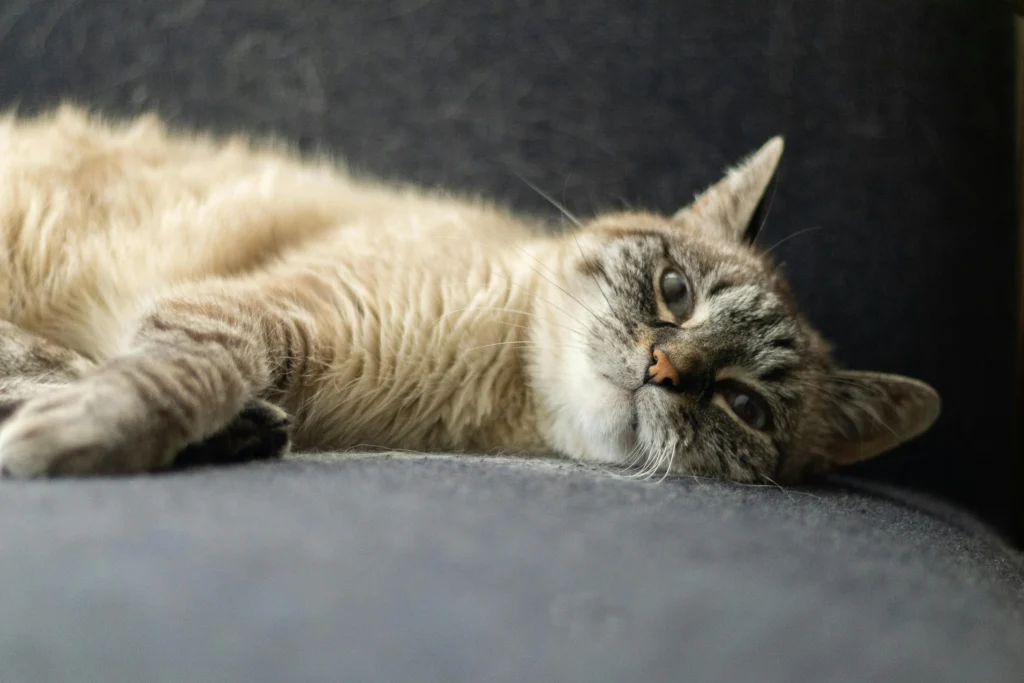
It’s crucial to spot kidney disease early. Look out for weight loss, poor coat, and changes in appetite or water intake. If you see these signs, talk to your vet. They might suggest switching to renal cat food.
Why Diet Matters for Cats with Kidney Disease
Managing kidney disease in cats is all about a complete plan, with diet being key. The right food can slow the disease, lessen symptoms, and boost your cat’s health.
The Connection Between Nutrition and Kidney Function
Nutrition and kidney function in cats are very connected. The best cat food for kidney disease is made to ease kidney strain while giving vital nutrients. This keeps your cat healthy and supports their kidneys.
How a Proper Diet Can Slow Disease Progression
A good diet can really slow down kidney disease in cats. Feeding your cat the right food helps cut down blood waste, keeps them at a healthy weight, and boosts their health. This approach can greatly help manage the disease.
The Ideal Senior Cat Kidney Disease Diet
For the Senior Cat Kidney Disease Diet, finding the right balance is key. Senior Cat Kidney Disease Diet needs a diet that’s specially made. This diet should give them the nutrients they need without overloading their kidneys.
Creating a senior cat kidney disease diet requires careful thought. The aim is to ease the load on their kidneys while still giving them the nutrients they need for health.
Protein Considerations: Quality vs. Quantity
Protein is vital for cats, but for a senior cat kidney disease diet, it’s about the right amount and type. Opt for high-quality proteins like chicken or fish, which are gentler on the kidneys. But the amount of protein should match the cat’s needs and the disease’s stage.
Phosphorus Restriction
Keeping phosphorus levels low is also key to a senior cat kidney disease diet. Too much phosphorus can harm the kidneys more. So, choose a diet that’s low in phosphorus to slow down disease progression.
Sodium Levels and Blood Pressure Management
Managing sodium is also crucial for these cats. Too much sodium can cause high blood pressure, which is hard on the kidneys. A diet with controlled sodium can help keep blood pressure in check and support kidney health.
By making these dietary changes, you can help manage your senior cat kidney disease diet. This can greatly improve their quality. Always consult with your vet to find the best diet for your cat’s specific needs.
Prescription Renal Diets from Veterinarians
A senior cat kidney disease diet can greatly benefit from prescription diets made by vets. These diets meet the special nutritional needs of cats with kidney issues. They help slow down the disease’s progress.
Vets offer prescription renal diets to support kidney health. These diets have balanced amounts of protein, phosphorus, and sodium. This reduces the kidneys’ workload.
Hill’s Prescription Diet k/d
Hill’s Prescription Diet k/d is a top choice for kidney-friendly cat food. It’s made to ease the kidneys’ workload while providing key nutrients. It comes in various flavors and textures to please different cats.
Royal Canin Renal Support
Royal Canin Renal Support is another effective prescription diet. It’s made to help kidney function and overall health in cats with kidney disease. It includes antioxidants and omega-3 fatty acids to fight oxidative stress.
Purina Pro Plan Veterinary Diets NF Kidney Function
Purina Pro Plan Veterinary Diets NF Kidney Function is a prescription diet for cats with kidney disease. It has controlled high-quality protein and less phosphorus to manage the condition. It’s tasty and easy for cats to digest.
These prescription diets from vets are meant to work with other treatments for kidney disease in cats. Feeding your cat a kidney-friendly diet can improve their quality. It may also slow the disease’s progress.
Over-the-Counter Kidney-Friendly Options
Senior cat owners often seek kidney-friendly diet options. They look for non-prescription alternatives to support their cat’s renal health. While prescription diets are often recommended, there are other options available.
Wet Food Alternatives
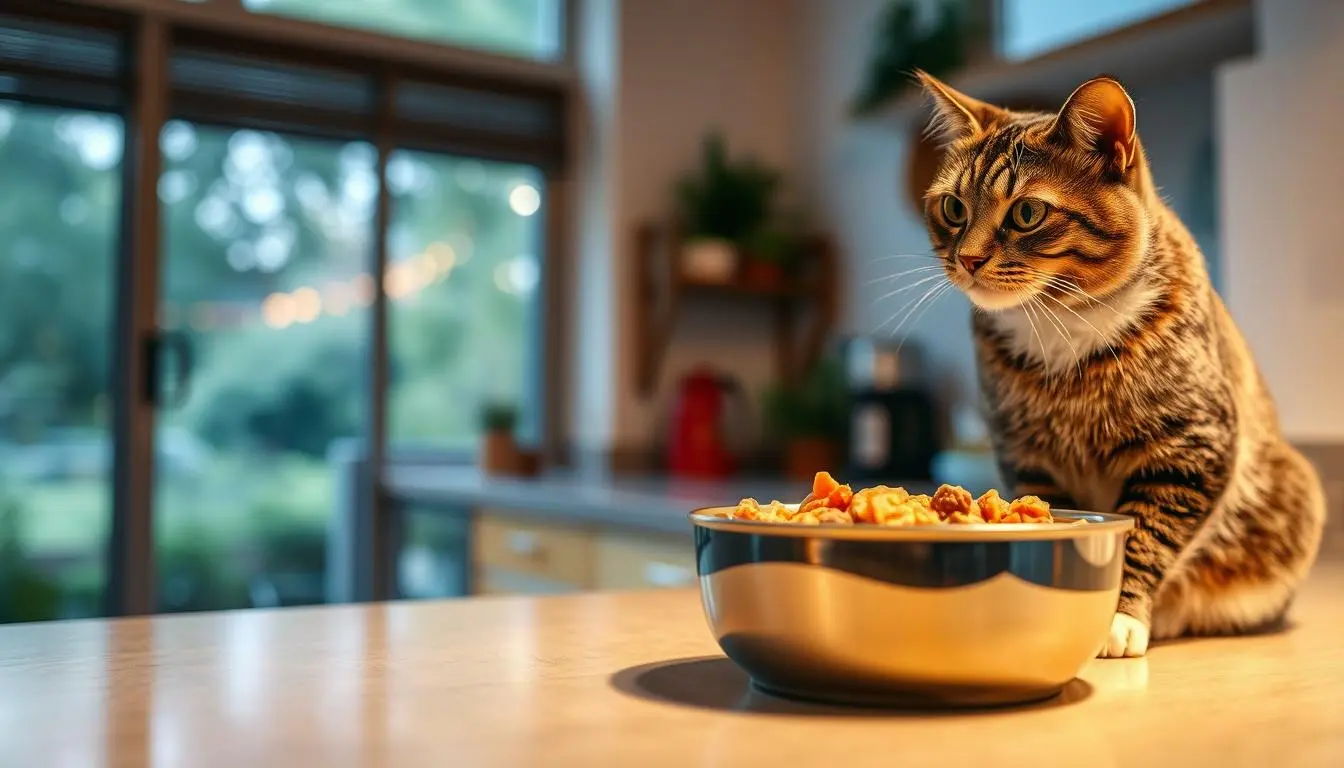
Wet food is great for a senior cat kidney disease diet. It provides moisture and is easier to digest. Look for wet food labeled as “kidney-friendly” or “renal support.”
These products have less phosphorus and protein. This makes them good for cats with kidney issues. Check the ingredient list and nutritional content to meet your cat’s needs.
Dry Food Alternatives
Dry food is also an option for a senior cat kidney disease diet. It’s convenient and can be more affordable. Look for dry food specifically made for renal health.
These dry foods have controlled phosphorus, sodium, and protein levels. This helps manage kidney disease. Always check the ingredients and nutritional content to ensure it’s right for your cat.
Homemade Diet Considerations
Some cat owners like to make their pet’s food at home. This way, they can tailor the diet to their senior cat’s kidney health needs. It’s a personal touch that might make your cat feel better overall.
Working with a Veterinary Nutritionist
Talking to a vet nutritionist is key when making homemade food for your senior cat. They know how to make a diet that fits your cat’s needs. This includes the right mix of nutrients and vitamins for their health.
With a vet nutritionist’s help, you can make sure your cat gets the nutrients they need. This is important for keeping them healthy, especially with kidney disease.
Safe Ingredients and Preparation Methods
Choosing the right ingredients is important for your cat’s homemade diet. Look for high-quality proteins and avoid too much phosphorus or sodium. These choices help protect your cat’s kidneys.
It’s also important to prepare the food safely. This keeps the nutrients in and prevents harmful bacteria. Handling and cooking the food correctly is crucial for your cat’s health.
Practical Feeding Strategies
Creating a good feeding plan is key for senior cats with kidney disease. It helps slow down the disease and makes their life better.
Meal Frequency and Portion Control
Changing how often and how much you feed your cat is important. Feeding them small meals all day can help manage their diet and kidneys.
Also, watch and adjust how much food they get based on their health, activity, and needs.
Transitioning to New Foods
When switching to a new renal cat food, do it slowly to avoid upset stomachs. Start by adding a little of the new food to their old diet. Then, slowly increase the new food over days or weeks.
This slow change helps their stomach get used to the new food. It lowers the chance of bad reactions.
Hydration Strategies for Renal Health
Keeping your older cat hydrated is key to managing kidney disease. Drinking enough water helps remove toxins and keeps the kidneys working well. It’s vital for their health.
To get your cat to drink more, try making water more appealing. Use water fountains or change the water often to keep it fresh. Also, feeding them wet food can boost their water intake since it’s more moist than dry food.
Increasing Water Consumption
There are ways to get your cat to drink more. Water fountains can attract them. Place several water sources around the house for easy access. Adding wet food to their diet also helps with hydration.
Subcutaneous Fluid Therapy at Home
In some cases, giving fluids under the skin at home is needed. A trained caregiver does this under a vet’s guidance. It helps keep your cat hydrated if they don’t drink enough.
Using these strategies can support your cat’s kidney health and overall well-being. Always talk to your vet to find the best approach for your cat.
Beneficial Supplements for Kidney Support
For cats with kidney issues, certain supplements can be very helpful. They are part of senior feline renal care. Knowing about these supplements can help you make better choices for your cat’s health.
Omega-3 Fatty Acids
Omega-3 fatty acids have anti-inflammatory effects. They can lessen the burden on your cat’s kidneys. These fats are good for your cat’s overall health, especially if they have kidney disease.
Antioxidants and B Vitamins
Antioxidants fight oxidative stress, linked to kidney disease. B vitamins help keep your cat’s energy up and support their metabolism. Together, they offer strong support for cats with kidney problems.
Potassium Supplements
Potassium supplements are key for cats with kidney disease, as they often lack potassium. Talk to your vet to see if your cat needs these supplements. They will help ensure your cat gets the right amount.
Adding these supplements to your cat’s diet can help their kidney health. Always check with your vet before starting any new supplements for your cat.
Managing Common Complications Through Diet
As your senior cat deals with kidney disease, changing their diet is key. Cats with kidney disease often lose their appetite, lose weight, and feel nauseous. By choosing the right food, you can help ease these problems and make your cat’s life better.
Addressing Appetite Loss
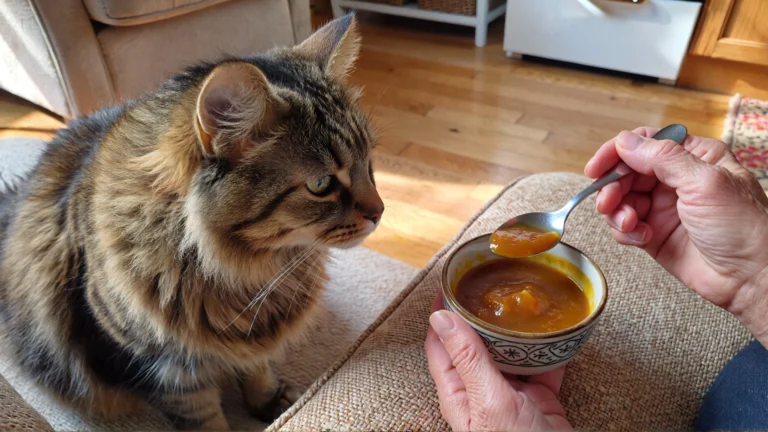
Many cats with kidney disease struggle to eat. Giving them kidney-friendly cat food that tastes good can help. Try warming the food a bit or adding a little low-sodium broth to make it more tempting.
Combating Weight Loss and Muscle Wasting
Weight loss and muscle wasting are big worries for cats with kidney disease. It’s important to make sure they get enough protein. Look for senior cat food that’s high in quality protein. Feeding them smaller meals more often can also help manage their diet.
Managing Nausea and Vomiting
Nausea and vomiting are tough on cats with kidney disease. Eating smaller meals more often can help. Also, make sure your cat always has fresh water. Some cats might also need subcutaneous fluid therapy to stay hydrated.
Monitoring Your Cat’s Health and Response
Managing kidney disease in older cats needs close health monitoring. This helps you and your vet make the best diet choices for your cat.
Key Health Indicators to Track
Watch your cat’s weight, appetite, and kidney health closely. Blood tests and urinalyses are key. They show how kidney disease is progressing and if the diet is working.
Keep a food diary and note any health changes. This helps your vet make better diet plans for your cat.
When to Adjust the Diet Plan
If your cat’s health changes, like loss of appetite or weight loss, see your vet. They might suggest new food types, portion sizes, or how often to feed. This helps manage their kidney disease better.
Conclusion
As a cat owner, managing kidney disease in your senior cat is key. It involves a balanced senior cat kidney disease diet, regular vet visits, and a healthy lifestyle. Understanding your cat’s dietary needs and working with your vet can help them live longer and healthier.
A well-planned renal cat food can greatly improve your cat’s life. The right diet can slow disease, manage symptoms, and boost overall health. It’s crucial to choose the best diet with your vet’s guidance, whether it’s a prescription or an over-the-counter option.
With the right diet and regular vet checks, your senior cat can thrive with kidney disease. Your vet will create a personalized plan for your cat’s needs. This ensures they get the best care possible.
FAQ
What is the best cat food for kidney disease?
For cats with kidney disease, the best food is a renal cat food. It’s made to ease the load on the kidneys and still give them the nutrients they need. Prescription diets like Hill’s Prescription Diet k/d, Royal Canin Renal Support, and Purina Pro Plan Veterinary Diets NF Kidney Function work well.
How does kidney disease affect senior cats?
Kidney disease is common in older cats. It makes their body hold onto toxins because their kidneys aren’t working properly. This can cause them to drink more, urinate more, lose weight, and have a bad coat.
What are the key dietary considerations for senior cats with kidney disease?
Senior cats with kidney disease need a special diet. It should have the right amount of protein, less phosphorus, and controlled sodium. A balanced, kidney-friendly food can slow down the disease.
Can I feed my senior cat a homemade diet for kidney disease?
Yes, but you need to work with a vet nutritionist. They can make sure the diet is balanced and right for your cat. It’s important to use safe ingredients and cooking methods to help your cat’s kidneys.
How can I increase my cat’s water consumption?
To get your cat to drink more, try feeding wet food. Use water fountains and make sure fresh water is always available. This helps remove toxins and keeps the kidneys working well.
Are there any beneficial supplements for cats with kidney disease?
Yes, omega-3 fatty acids, antioxidants, and B vitamins can help. They reduce inflammation and improve health. Potassium supplements might also be needed. Always talk to your vet about the best supplements for your cat.
How often should I monitor my cat’s health and response to the diet?
Keeping an eye on your cat’s health is key. Watch their weight, appetite, and kidney function closely. If needed, change their diet with your vet’s help.
What are some practical feeding strategies for cats with kidney disease?
To feed your cat with kidney disease well, adjust their meals and portion sizes. Gradually introduce new foods. Use kidney-friendly cat food to avoid upset stomachs and make the transition smooth.
Can over-the-counter, kidney-friendly cat food options be as effective as prescription diets?
Over-the-counter kidney-friendly foods can help, but prescription diets are often better. Always talk to your vet to find the best diet for your cat.