Old Rabbit Not Eating: Dental Issues vs GI Stasis in Senior Bunnies
When your old rabbit not eating becomes a reality, panic can set in quickly. As a devoted bunny parent, watching your senior companion suddenly refuse their favorite treats or ignore their hay pile triggers immediate concern. This behavior isn’t just stubbornness or pickiness, it’s often a critical warning sign that demands your immediate attention.
Senior rabbits face unique health challenges that younger bunnies rarely encounter. Among the most common and serious issues affecting elderly rabbits are dental problems and gastrointestinal (GI) stasis. Both conditions can cause your old rabbit not eating, but they require different approaches to treatment and care. Understanding the distinction between these two conditions could literally save your bunny’s life.
In this comprehensive guide, we’ll explore everything you need to know about why your aging rabbit might stop eating, how to identify whether dental issues or GI stasis is the culprit, and what immediate steps you should take to help your furry friend recover.
Essential Products for Senior Rabbits with Eating Issues
Emergency & Recovery Supplies
- Oxbow Critical Care – Herbivore nutrition for assisted feeding
- 10-20ml Feeding Syringes – For administering Critical Care (no needle)
- Simethicone (Gas Drops) – Infant gas relief (unflavored)
- Digital Kitchen Scale – Daily weight monitoring
Daily Health Maintenance
- High-Quality Timothy Hay – Oxbow or Small Pet Select (unlimited supply)
- Senior Rabbit Pellets – Age-appropriate formula (lower protein/higher fiber)
- Probiotic Supplement – Benebac or Oxbow Digestive Support
- Soft Bristle Brush – Daily grooming to prevent hairballs
Comfort & Prevention
- Heating Pad – For keeping warm during illness (low setting with towel)
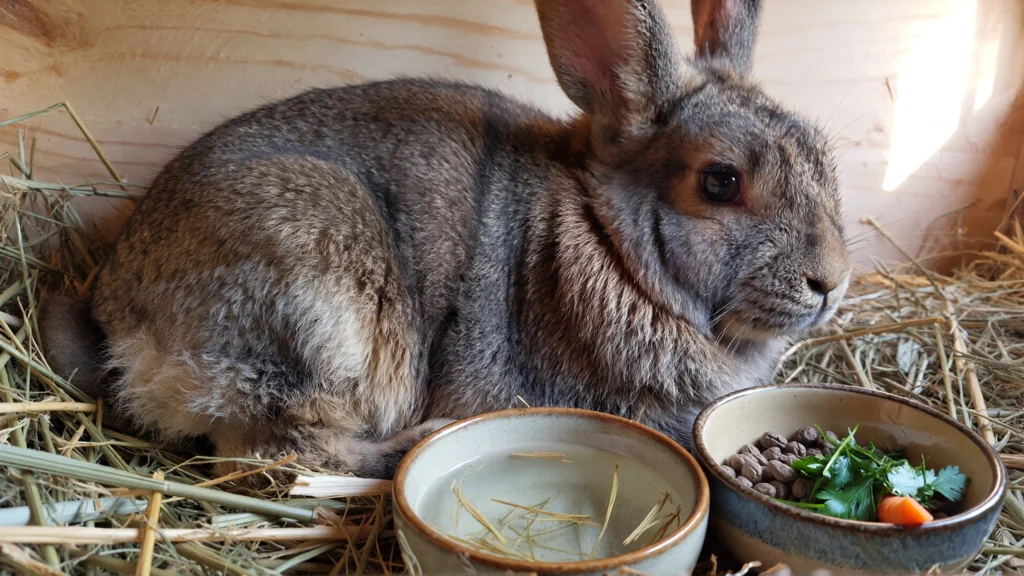
- Ceramic Water Bowl – Heavy, tip-proof for easy hydration access
- Raised Food Dishes – Easier eating for arthritic rabbits
- Soft Fleece Bedding – Comfortable surface for elderly bunnies
Optional But Recommended
- Baby Food (Organic) – Plain pumpkin or squash for appetite stimulation
- Timothy Hay Cubes – Alternative hay form for dental health
- Pet-Safe Disinfectant – Cleaning supplies for recovery area
💡 Pro Tip: Keep Critical Care, syringes, and simethicone stocked BEFORE emergencies occur. When your old rabbit not eating, you won’t have time to order supplies!
Understanding Why an Old Rabbit Not Eating Is a Medical Emergency
Unlike cats or dogs that can safely skip a meal or two, rabbits have a unique digestive system that requires constant movement. When your old rabbit not eating persists for more than 12 hours, their entire gastrointestinal tract begins to slow down dramatically.
Rabbits are hindgut fermenters, meaning they rely on a delicate balance of beneficial bacteria in their cecum to break down fibrous plant material. This process must continue around the clock. When food intake stops, several dangerous cascades begin:
The 12-Hour Danger Zone: Within half a day of your old rabbit not eating, gut motility decreases significantly. The beneficial bacteria begin to die off, and harmful bacteria can proliferate. Gas accumulation starts, causing painful bloating that further discourages eating.
Liver Complications: Senior rabbits are particularly vulnerable to hepatic lipidosis (fatty liver disease). When an overweight or even normal-weight elderly rabbit stops eating, their body begins mobilizing fat stores. In rabbits, this fat can overwhelm the liver within 24-72 hours, creating a life-threatening situation.
Dehydration Cascade: Rabbits obtain significant moisture from fresh vegetables and greens. An old rabbit that is not eating also typically means they’re drinking less water, which accelerates dehydration. Senior rabbits already have reduced kidney function, making this particularly dangerous.
Research from veterinary universities indicates that rabbits deprived of food for more than 24 hours have significantly reduced survival rates, with senior rabbits facing even steeper odds due to their compromised organ function.
Dental Disease in Senior Rabbits: The Silent Progression
Dental problems represent one of the leading causes behind an old rabbit not eating. Unlike human teeth, rabbit teeth grow continuously throughout their entire lives—approximately 2-3mm per week. In healthy rabbits, this growth is worn down by constant chewing of abrasive hay and vegetation.
However, senior rabbits often develop dental malocclusion, where teeth don’t align properly and wear unevenly. This creates sharp spurs, overgrown molars, and painful points that dig into the tongue, cheeks, and gums.
Signs Your Old Rabbit Not Eating Has Dental Origins
Selective Eating Patterns: Your elderly rabbit might show interest in food but drop it immediately after trying to chew. They may prefer soft foods like bananas or pellets but completely avoid hay, the exact opposite of what their digestive system needs.
Wetness Around the Mouth: Excessive drooling or constantly damp fur under the chin (called “slobbers”) indicates your old rabbit not eating may stem from oral pain. This moisture creates bacterial infections and skin irritation.
Facial Swelling or Eye Discharge: Advanced dental disease in senior rabbits can cause root abscesses. You might notice swelling below the eye, bulging eyes, or constant tearing. These symptoms, combined with an old rabbit not eating require immediate veterinary attention.
Grinding Teeth Differently: While rabbits normally grind their teeth softly when content (tooth purring), pain-related grinding sounds louder and more persistent. Your elderly bunny might grind their teeth while sitting hunched.
Weight Loss Despite Interest: An old rabbit not eating due to dental pain often still approaches food bowls hopefully, but simply cannot physically chew. This gradual weight loss over weeks distinguishes dental issues from sudden-onset GI stasis.
The Progression of Dental Disease in Aging Rabbits
Dental problems typically develop gradually over years, though symptoms accelerate in senior rabbits due to:
- Decreased jaw strength: Aging muscles provide less grinding force
- Previous improper diet: Years of insufficient hay consumption
- Genetic predisposition: Certain breeds like Holland Lops and Netherland Dwarfs
- Metabolic changes: Altered calcium metabolism affecting tooth structure
Many rabbit owners don’t realize their elderly bunny has developed dental disease until it reaches a crisis point with complete food refusal. Regular six-month dental checkups become crucial for rabbits over five years old.
GI Stasis in Elderly Rabbits: When the Gut Stops Moving
Gastrointestinal stasis represents the other major cause of an old rabbit not eating, and it’s equally life-threatening. GI stasis describes a slowdown or complete halt of normal intestinal movement. The cecum and intestines stop contracting, food material stops progressing, and gas accumulates painfully.
In senior rabbits, GI stasis can develop from various triggers, but it creates a vicious cycle: pain causes reduced eating, which slows the gut further, creating more pain and less eating.
Recognizing GI Stasis in Your Senior Bunny
Sudden Complete Food Refusal: Unlike dental disease, which causes gradual selective eating, GI stasis typically presents as your old rabbit not eating anything, including favorite treats, literally overnight.
Reduced or Absent Fecal Pellets: Normal rabbit droppings are round, firm, and abundant. With GI stasis, you’ll notice dramatically fewer poops, small, irregular pellets, or pellets connected by hair (indicating the gut is barely moving).
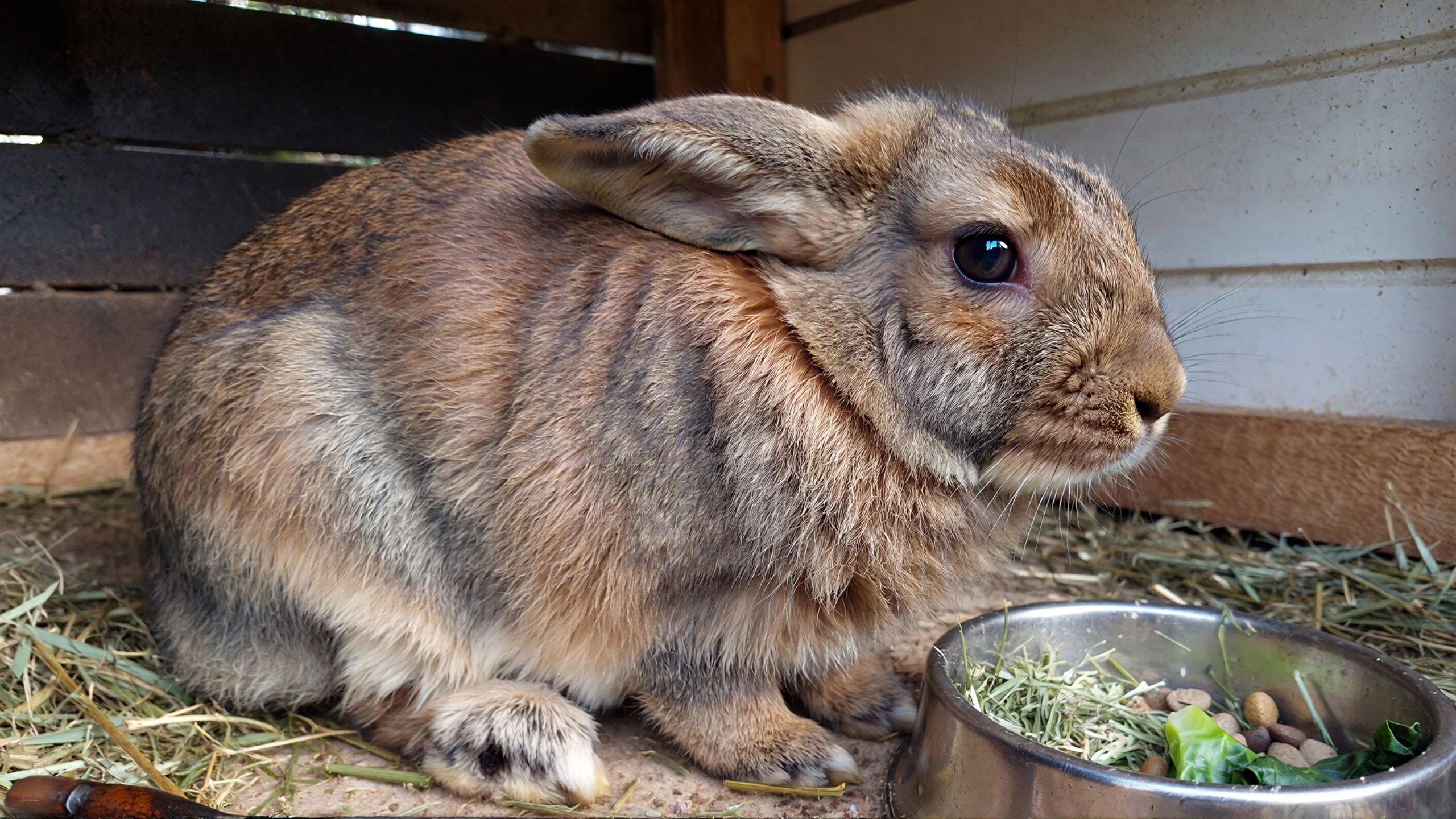
Hunched Posture and Lethargy: An old rabbit not eating due to GI stasis sits hunched with their stomach pressed to the ground. They appear uncomfortable, reluctant to move, and their eyes may appear dull or partially closed from pain.
Audible Gut Sounds or Silence: A healthy rabbit’s stomach makes quiet gurgling sounds. With GI stasis, you might hear excessively loud borborygmi (gurgling and rumbling) from gas, or complete silence indicating the gut has stopped entirely.
Bloated, Firm Abdomen: Gently feeling your rabbit’s belly might reveal a tight, drum-like distension from gas accumulation. However, some rabbits with GI stasis don’t show obvious bloating.
What Triggers GI Stasis in Senior Rabbits
Understanding why your old rabbit not eating developed from GI stasis, helps prevent future episodes:
Pain from Other Sources: Arthritis, bladder stones, or dental disease can trigger stress hormones that slow gut motility. Senior rabbits carry more age-related pain conditions.
Insufficient Fiber Intake: Years of inadequate hay consumption lead to weaker gut muscles. The aging digestive system becomes less resilient to dietary indiscretions.
Dehydration: Elderly rabbits with kidney disease or reduced water intake develop thicker intestinal contents that move sluggishly.
Stress Events: Moving housing, temperature extremes, new pets, or changes in routine affect senior rabbits more profoundly than younger ones.
Hairballs: While rabbits cannot vomit, excessive grooming or seasonal shedding in older rabbits creates intestinal blockages when swallowed fur isn’t passed through.
The Critical Difference: Dental Disease vs GI Stasis
When you notice your old rabbit not eating, determining whether dental disease or GI stasis is responsible affects your emergency response timeline and home care approach.
Speed of Onset
Dental Disease: Develops over weeks to months. Your elderly rabbit might show gradual changes eating slightly less, taking longer to finish meals, or dropping food frequently, before the complete refusal happens.
GI Stasis: Appears suddenly, often overnight. Your bunny seemed fine yesterday evening but won’t touch breakfast, a dramatic change that signals immediate emergency.
Fecal Output Patterns
Dental Disease: Poop production might gradually decrease or become smaller, but pellets continue being produced regularly until dental pain becomes severe enough to cause complete food refusal.
GI Stasis: Fecal pellets decrease dramatically within hours. You might find only a few small pellets or none at all within 6-12 hours of your old rabbit not eating.
Response to Favorite Treats
Dental Disease: Your senior rabbit shows interest in soft, easy-to-chew foods. They might eagerly eat banana, softened pellets, or baby food but reject hay and harder vegetables.
GI Stasis: Your elderly bunny refuses everything—even foods they normally would break any rule to obtain. This complete lack of interest in all food types signals GI shutdown.
Physical Examination Clues
Dental Disease: The abdomen feels normal to gentle palpation. You might notice facial asymmetry, eye discharge, or smell a foul odor from their mouth.
GI Stasis: The stomach feels tight, distended, or abnormally silent when you listen closely. Your rabbit might react negatively to gentle belly touches.
Immediate Action Steps When Your Old Rabbit Not Eating
Time is absolutely critical when dealing with an old rabbit not eating. Here’s your minute-by-minute emergency protocol:
First Hour: Assessment and Contact
- Check for fecal pellets: Search their area for recent droppings
- Offer high-value treats: Present banana, romaine lettuce, parsley
- Take temperature: Normal rabbit temperature is 101-103°F (38-39°C)
- Contact your rabbit-savvy veterinarian: Explain the situation immediately
- Check hydration: Gently tent the skin on the back of their neck—it should snap back quickly
Hours 2-4: Keeping Things Moving
While arranging veterinary care for your old rabbit not eating:
Gentle Exercise: If your bunny tolerates it, encourage very gentle movement. Walk them slowly around a room or provide supervised floor time. Movement stimulates gut motility, but don’t force activity if they’re severely lethargic.
Hydration Support: Offer fresh water constantly. Some senior rabbits prefer water bowls over bottles. You can add a tiny amount of unsweetened fruit juice to encourage drinking, though this should never replace veterinary fluid therapy.
Warmth and Comfort: Senior rabbits chill easily. Provide a warm (not hot) heating pad wrapped in towels. Keeping your elderly bunny comfortable reduces stress hormones that worsen GI stasis.
Monitor Closely: Document every 30 minutes: eating attempts, poop production, behavior changes, and energy levels. This information helps your veterinarian assess urgency.
Critical: What NOT to Do
When facing an old rabbit not eating situation, well-meaning mistakes can worsen outcomes:
- Don’t force-feed immediately without veterinary guidance: If a blockage exists, force-feeding can rupture the intestine
- Don’t give rabbit-unsafe pain medications: Human pain relievers are toxic to rabbits
- Don’t assume they’ll “eat when hungry”: Rabbits can enter irreversible liver failure within 2-3 days
- Don’t delay veterinary care, hoping for improvement: Senior rabbits deteriorate rapidly
Veterinary Diagnosis and Treatment Protocols
Professional veterinary intervention becomes essential when your old rabbit not eating persists beyond a few hours. Rabbit-savvy exotic veterinarians follow specific diagnostic protocols to differentiate dental disease from GI stasis.
Diagnostic Approach for Senior Rabbits
Physical Examination: The veterinarian performs a thorough oral exam using an otoscope or specialized rabbit mouth speculum. They visualize the molars for spurs, overgrowth, and ulcerations. They’ll palpate the abdomen for gas, firmness, and pain response.
Radiographs (X-rays): Essential imaging for an old rabbit not eating shows both dental structures and intestinal gas patterns. Skull radiographs reveal tooth root abnormalities, abscesses, and bone changes. Abdominal radiographs show if the stomach and intestines contain appropriate food material or problematic gas accumulation.
Blood Work: Senior rabbits benefit from chemistry panels checking liver enzymes (elevated with hepatic lipidosis), kidney function, and electrolyte balance. These results guide fluid therapy decisions.
Advanced Imaging: In complex cases, CT scans provide detailed three-dimensional views of dental structures, revealing problems invisible on standard radiographs.
Treatment for Dental Disease
When diagnostics confirm your old rabbit not eating stems from dental problems:
Dental Correction Under Anesthesia: The veterinarian uses specialized instruments to trim overgrown teeth, remove sharp spurs, and smooth rough edges. Advanced cases might require tooth extraction, especially if root abscesses exist.
Pain Management: Senior rabbits receive rabbit-safe pain medications like meloxicam (Metacam) or tramadol. Adequate pain control is crucial—elderly rabbits won’t eat if they’re hurting.
Nutritional Support: Critical care feeding begins immediately. Products like Oxbow Critical Care or Emerald Herbivore provide complete nutrition in easily syringe-fed form. Your old rabbit not eating, and must receive this support to prevent hepatic lipidosis.
Antibiotics: If infection exists (abscesses, severe ulceration), appropriate rabbit-safe antibiotics like enrofloxacin or azithromycin are prescribed based on culture results when possible.
Treatment for GI Stasis
Confirmed GI stasis in your old rabbit not eating requires aggressive multi-modal therapy:
Fluid Therapy: Subcutaneous or intravenous fluids rehydrate and help move intestinal contents. Senior rabbits typically need more aggressive fluid therapy than younger ones.
Motility Drugs: Medications like metoclopramide, cisapride, or ranitidine stimulate gut contractions. These should never be given if a complete blockage is suspected—only after radiographs rule out obstruction.
Pain Management: GI stasis is extremely painful. Meloxicam, buprenorphine, or other analgesics make your rabbit comfortable enough to start eating again.
Simethicone: This anti-gas medication helps break up gas bubbles, relieving painful distension. Given every 1-3 hours in acute cases.
Critical Care Feeding: Once gut sounds return and no blockage exists, assisted feeding begins to restart the digestive system.
Hospitalization: Severe cases of old rabbit not eating from GI stasis may require 24-48 hour hospitalization with continuous monitoring, injectable medications, and intensive nursing care.
Home Care and Recovery Management
After initial veterinary stabilization, most rabbits recover at home with diligent owner care. Successfully nursing an old rabbit not eating back to health requires dedication and careful monitoring.
Assisted Feeding Protocol
Your rabbit must receive adequate calories until voluntary eating resumes:
Critical Care Preparation: Mix the powder with warm water to a smoothie-like consistency. Prepare fresh batches for each feeding to prevent bacterial growth.
Feeding Technique: Using a 10-20ml syringe without a needle, introduce small amounts into the side of the mouth behind the incisors. Allow time for swallowing between small portions. Never squirt directly down the throat. Aspiration pneumonia is deadly.
Frequency and Volume: Senior rabbits typically need 50-100 mL of critical care divided into 4-6 feedings daily. Your veterinarian calculates the exact amount based on your rabbit’s weight.
Encouraging Voluntary Eating: Between assisted feedings, offer highly palatable fresh foods: fragrant herbs like cilantro, basil, or dill; small pieces of banana; dandelion greens. Success comes when your elderly bunny nibbles voluntarily.
Medication Administration
When your old rabbit not eating and recovers at home, you’ll likely administer several medications:
Pain Relief: Typically, meloxicam is taken once or twice daily. Mix with a small amount of banana or use a syringe if your rabbit won’t accept it voluntarily.
Gut Motility Drugs: Given 2-4 times daily, often 30 minutes before feeding attempts to stimulate appetite.
Simethicone: Every 4-6 hours if gas remains problematic. This medication has no prescription requirement and provides safe relief.
Monitoring Recovery Progress
Document your elderly rabbit’s recovery daily:
- Fecal output: Count pellets and note size/consistency improvements
- Food intake: Track both assisted feeding amounts and voluntary eating
- Weight: Weigh daily at the same time using a kitchen scale
- Activity level: Note improvements in movement and normal behaviors
- Water consumption: Monitor whether they’re drinking adequately
Contact your veterinarian immediately if your old rabbit not eating worsens, new symptoms appear, or improvement stalls.
Long-Term Prevention Strategies for Senior Rabbits
Once you’ve navigated an episode of your old rabbit not eating, prevention becomes paramount. Senior rabbits need specialized care adjustments to minimize dental disease and GI stasis risks.
Optimized Senior Rabbit Diet
Unlimited Grass Hay: Timothy, orchard grass, or meadow hay should comprise 80-90% of the diet. The chewing action maintains dental health while the fiber supports gut motility. Place hay in multiple locations so your elderly bunny with arthritis has easy access.
Measured Pellets: Senior rabbit pellets (lower protein, higher fiber) in limited quantities—about 1/8 to 1/4 cup per 5 pounds of body weight daily. Overfeeding pellets contributes to dental disease and obesity.
Daily Fresh Vegetables: Provide 2-3 cups of leafy greens per 5 pounds of body weight. Rotate varieties: romaine, green leaf, red leaf lettuce, cilantro, parsley, basil, arugula, dandelion greens. This provides moisture, nutrients, and encourages natural eating behaviors.
Limited Treats: Small pieces of fruit or root vegetables once or twice weekly only. Elderly rabbits with reduced activity don’t need high-calorie treats.
Dental Disease Prevention
Professional Checkups: Schedule dental examinations every 6 months for rabbits over 5 years old. Early intervention prevents the crisis of an old rabbit not eating from advanced dental disease.
Home Monitoring: Weekly at-home oral checks. Gently examine the front incisors for overgrowth or misalignment. While you cannot see the molars, consistent checking helps you notice changes in eating behavior early.
Proper Chewing Opportunities: Provide willow balls, apple sticks, or timothy hay cubes. These encourage the side-to-side grinding motion that naturally wears teeth properly.
GI Stasis Prevention
Consistent Routine: Senior rabbits thrive on predictability. Feed at the same times daily, maintain consistent temperatures, and minimize household disruptions.
Hydration Focus: Some elderly rabbits develop decreased thirst sensation. Offer multiple water sources (bowls and bottles), provide wet vegetables, and consider a pet water fountain that attracts interest through movement.
Exercise Encouragement: Even arthritic senior rabbits need daily activity to maintain gut motility. Provide large exercise areas with soft flooring, gentle ramps instead of jumping platforms, and interesting spaces to explore at ground level.
Stress Minimization: Identify and reduce stressors. Is a household pet intimidating your elderly rabbit? Are temperature fluctuations problematic? Address environmental issues proactively.
Grooming Support: Senior rabbits often cannot groom themselves effectively due to arthritis. Daily brushing prevents excessive hair ingestion that could trigger GI stasis, especially during seasonal shedding.
Special Considerations for Geriatric Rabbits
Rabbits over 8-10 years old face additional challenges when dealing with episodes of old rabbit not eating. Their reduced physiological reserves mean less tolerance for illness and slower recovery.
Age-Related Complications
Kidney Disease: Common in geriatric rabbits, chronic kidney disease affects hydration status and medication metabolism. Your veterinarian may modify drug choices and increase fluid therapy.
Arthritis and Mobility Issues: Pain from degenerative joint disease can independently trigger GI stasis or prevent proper eating postures. Raising food bowls and providing soft floor surfaces helps.
Cognitive Changes: Some very elderly rabbits develop confusion or altered routines. They might forget to eat or become disoriented about food location. Maintaining strict feeding schedules and easily accessible food stations becomes critical.
Decreased Immune Function: Senior rabbits fight infections less effectively. Dental abscesses or secondary bacterial problems from GI stasis hit elderly rabbits harder and require longer antibiotic courses.
Quality of Life Assessment
When facing repeated episodes of your old rabbit not eating, eventually, you must consider the quality of life. Work with your rabbit-savvy veterinarian to honestly assess:
- Frequency and severity of health crises
- Your rabbit’s baseline happiness between episodes
- Effectiveness of treatments and recovery time
- Signs of pain or suffering
- Your ability to provide needed care
Some elderly rabbits with chronic conditions still enjoy an excellent quality of life with appropriate management. Others reach a point where interventions provide only temporary relief from suffering.
When to Seek Emergency Veterinary Care
Understanding when your old rabbit not eating constitutes a true emergency versus a situation that allows brief home monitoring can be confusing. These scenarios always require immediate emergency care:
Complete Anorexia Plus:
- Total absence of fecal pellets for 12+ hours
- Labored breathing or mouth breathing
- Severe lethargy or inability to lift the head
- Bloated, rigid abdomen
- Grinding teeth continuously due to pain
- Hypothermia (temperature below 100°F)
- Seizures or loss of coordination
After Hours Emergency Services: Locate a 24-hour emergency veterinarian experienced with rabbits BEFORE you need them. Not all emergency clinics have exotic animal expertise. Keep contact information readily available.
Conclusion
Discovering your old rabbit not eating triggers an understandable alarm, but armed with knowledge, you can respond effectively and potentially save your beloved companion’s life. The key lies in rapid recognition, understanding whether dental disease or GI stasis is responsible, and seeking appropriate veterinary care without delay.
Senior rabbits deserve our patience, vigilance, and specialized care. Their unique physiology means that what seems like a minor symptom, skipping a meal, can cascade into a life-threatening crisis within hours. By maintaining preventive care, recognizing warning signs early, and responding decisively when your old rabbit not eating, you give your elderly bunny the best chance for recovery and a continued quality of life.
Remember that every hour counts when dealing with an old rabbit not eating. Trust your instincts if something seems wrong, it probably is. Rabbit-savvy veterinarians would always rather see you “just to be safe” than receive an emergency call 24 hours later when treatment options have narrowed.
Your elderly rabbit has trusted you throughout their long life. When they stop eating, they’re communicating that something is seriously wrong. Listen to that message, act swiftly, and give them the dedicated care they deserve in their golden years.
FAQs About Old Rabbit Not Eating
How long can an old rabbit go without eating before it becomes dangerous?
An old rabbit not eating for more than 12 hours enters dangerous territory. Unlike other pets, rabbits need continuous digestive movement. After 12 hours of an old rabbit not eating, gut motility slows significantly, and harmful bacteria proliferate. By 24 hours, the risk of life-threatening hepatic lipidosis (fatty liver disease) increases dramatically, especially in overweight senior rabbits. Veterinary intervention should begin as soon as you notice your elderly rabbit completely refusing food, ideally within 6-12 hours. Never adopt a “wait and see” approach that extends beyond 12 hours; the consequences for senior rabbits can be fatal.
Can I prevent dental disease in my senior rabbit?
While you cannot completely prevent age-related dental changes, you can significantly reduce their severity. Ensure your elderly rabbit receives unlimited grass hay daily, which provides the abrasive chewing action that naturally wears teeth. Schedule professional dental checkups every 6 months for rabbits over 5 years old. Avoid feeding primarily pellets, as the grinding motion for pellets doesn’t wear teeth properly. Provide safe wooden chew toys like apple or willow sticks. Catch problems early through home monitoring, check your rabbit’s incisors weekly, and watch for changes in eating behavior that might signal developing molar problems before they cause your old rabbit not eating crisis.
What’s the difference between GI stasis and a hairball in rabbits?
GI stasis describes the slowdown or stoppage of intestinal motility the stomach and intestines stop contracting and moving food through. Hairballs (more accurately called trichobezoars) are accumulations of swallowed fur in the stomach, but they’re usually a consequence rather than a cause of GI stasis. In most cases, an underlying issue like pain, stress, or insufficient fiber causes the gut to slow, allowing hair to accumulate rather than pass through. Both conditions can result in your old rabbit not eating, but treatment focuses on restarting gut motility, managing pain, ensuring hydration, and providing proper nutrition rather than specifically addressing the hair accumulation, which will pass once normal gut function resumes.
My old rabbit is eating hay but refusing pellets is this serious?
An old rabbit not eating pellets but consuming hay and vegetables is less immediately concerning than complete food refusal, but still warrants attention. This selective eating pattern could indicate early dental disease. Pellets require more forceful chewing than hay, so painful teeth might make pellets uncomfortable. It could also signal other oral pain or nausea. Monitor closely for other symptoms: changes in fecal output, weight loss, decreased water intake, or behavior changes. Schedule a veterinary checkup within a few days if pellet refusal continues. Some healthy senior rabbits naturally prefer hay and greens, but sudden changes in eating preferences should always be investigated, especially in elderly rabbits.
Should I force-feed my old rabbit if they stop eating?
Never begin force-feeding an old rabbit not eating without veterinary guidance. If your rabbit has an intestinal blockage, forcing food into the stomach can cause rupture, a fatal complication. First, contact your rabbit-savvy veterinarian immediately when you notice complete food refusal. They’ll determine through examination and possibly radiographs whether assisted feeding is safe and appropriate. If approved, your veterinarian will demonstrate proper syringe-feeding technique using products like Oxbow Critical Care. Assisted feeding requires careful administration small amounts placed gently into the side of the mouth, allowing time for swallowing, never squirting directly down the throat. Always combine assisted feeding with veterinary treatment addressing the underlying cause.
Can stress really cause my old rabbit to stop eating?
Absolutely, stress is a significant trigger for GI stasis, which causes your old rabbit not to eat. Senior rabbits are particularly susceptible to stress-induced health problems. Changes in environment, new pets, unfamiliar people, loud noises, temperature extremes, or even rearranging their habitat can trigger stress hormones that slow gut motility. In elderly rabbits with reduced resilience, this stress response can quickly escalate into a complete GI shutdown. Maintain consistent routines for senior rabbits, minimize disruptions, and create quiet, secure spaces. If stressful events are unavoidable (like moving or renovations), monitor your elderly rabbit extra carefully for early signs of decreased eating, and consider temporary housing in the quietest area of your home.
How do I know if my old rabbit’s teeth need attention between vet visits?
Watch for these warning signs that dental disease is developing and might eventually cause your old rabbit not eating: dropping food after picking it up, taking much longer to eat meals, preferring softer foods while avoiding hay, wetness or matting under the chin from drooling, decreased fecal pellet size or amount, gradual weight loss despite seeming interested in food, pawing at the mouth or face, excessive tearing from one eye, or foul breath odor. Check your rabbit’s front incisors weekly. They should be straight, meet evenly, and be about 1/2 inch long. While you cannot see the molars at home, these observable signs indicate it’s time for a professional dental examination before a crisis develops.
What’s the success rate for treating old rabbit not eating situations?
Success depends on several factors: how quickly treatment begins, the underlying cause, your rabbit’s overall health status, and how aggressively you pursue treatment. When dental disease causes your old rabbit not eating, prognosis is generally good—dental correction under anesthesia resolves the pain, and most rabbits resume eating within 24-48 hours post-procedure. For GI stasis, outcomes vary: rabbits receiving treatment within 12-24 hours have excellent recovery rates of 70-90%. However, delayed treatment significantly worsens the prognosis of rabbits not receiving care until 48+ hours after an old rabbit not eating, resulting in complications like hepatic lipidosis, making recovery much more challenging. Early intervention dramatically improves survival chances for senior rabbits.
Are certain rabbit breeds more prone to dental problems?
Yes, brachycephalic (short-faced) breeds face significantly higher dental disease risks. Holland Lops, Netherland Dwarfs, Mini Lops, and Lionheads have compressed skull structures that commonly lead to malocclusion and dental problems. Their shortened jaws don’t provide adequate room for teeth to align properly, increasing the likelihood of your old rabbit not eating from dental issues. These breeds require particularly vigilant dental monitoring, consider checkups every 4-6 months rather than annually, especially once they reach senior status around 5-6 years old. Giant breeds like Flemish Giants and French Lops have lower dental disease rates, but aren’t immune. All elderly rabbits, regardless of breed, should receive regular dental evaluations.
Can I give my old rabbit pain medication at home?
Never administer pain medication without a veterinary prescription and guidance. Common human pain relievers like acetaminophen (Tylenol), ibuprofen (Advil), and aspirin are toxic to rabbits and can be fatal. The most commonly prescribed rabbit-safe pain medication is meloxicam (often branded as Metacam), an NSAID your veterinarian can prescribe for home use. Proper dosing is critical; it’s based on your rabbit’s exact weight and health status. If you suspect your old rabbit not eating is due to pain, contact your veterinarian immediately for appropriate pain management. Some rabbit owners keep meloxicam on hand for emergencies after discussing protocols with their vet, but initial assessment should always involve professional examination to ensure correct diagnosis and dosing.