Old Cat Drinking Excessive Water: Kidney Disease Early Detection
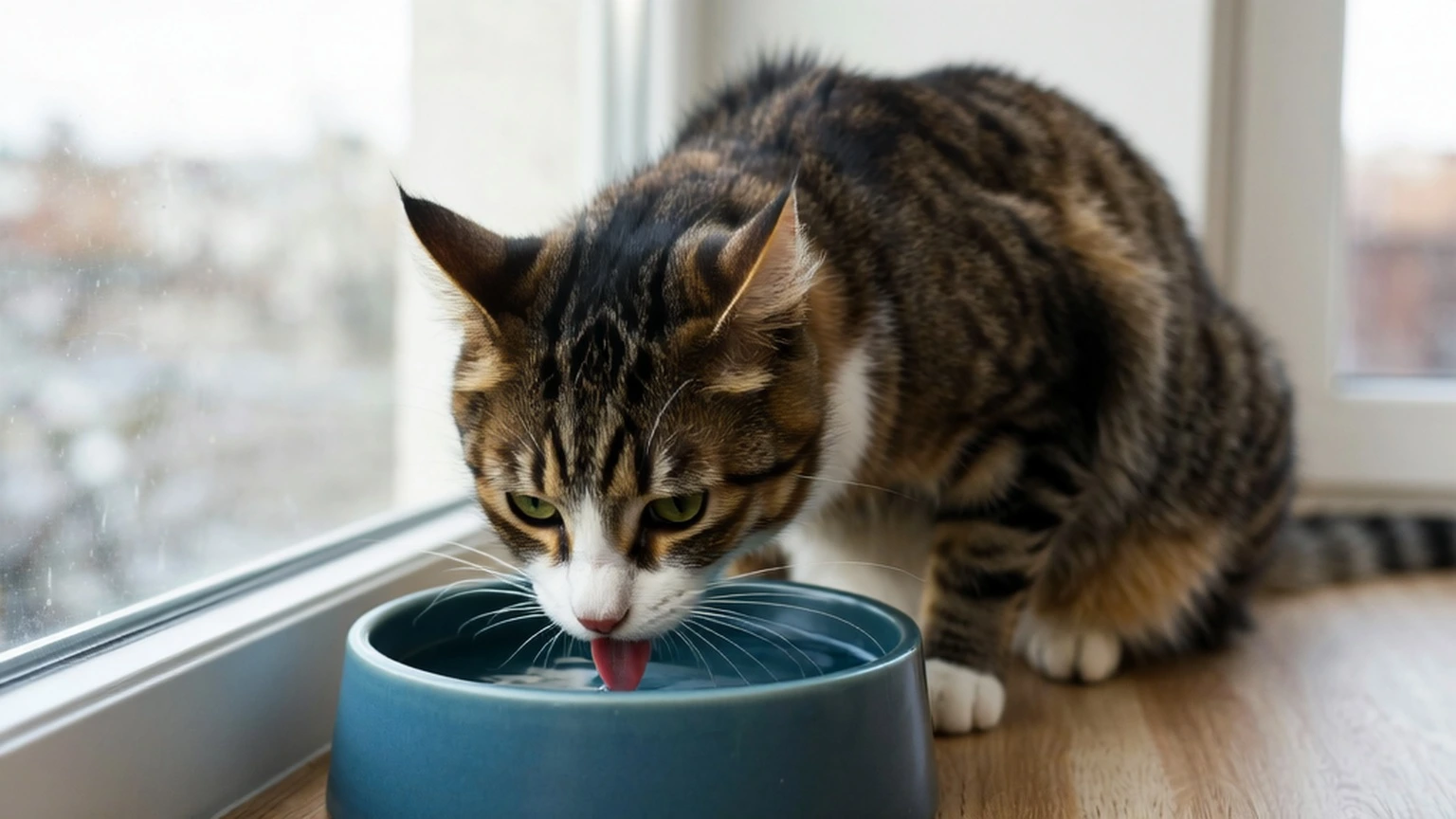
If you’ve noticed your old cat drinking excessive water lately, you’re right to be concerned. While it’s easy to dismiss increased thirst as just another quirk of aging, this behavior often signals something more serious lurking beneath the surface, particularly chronic kidney disease (CKD), one of the most common health challenges facing senior felines.
As a cat owner, understanding the connection between excessive water consumption and kidney health could literally save your companion’s life. Early detection of kidney disease dramatically improves treatment outcomes and quality of life for aging cats. Let’s explore what’s really happening when your old cat drinking excessive water becomes a daily observation, and how you can protect your feline friend’s health.
Why Your Old Cat Drinking Excessive Water Should Never Be Ignored
The average healthy cat drinks approximately 3.5 to 4.5 ounces of water per 5 pounds of body weight daily. When you notice your old cat drinking excessive water, consuming significantly more than this baseline, their body is telling you something important.
Polydipsia is the medical term for excessive thirst and drinking, and in senior cats, it’s frequently the first visible symptom of kidney dysfunction. Your cat’s kidneys serve as sophisticated filtration systems, removing waste products from the bloodstream while conserving essential nutrients and maintaining proper hydration balance.
When kidney tissue begins deteriorating, a process that affects up to 30-40% of cats over 10 years old, these organs lose their ability to concentrate urine effectively. Your cat’s body responds by triggering increased thirst to compensate for the excessive fluid loss through diluted urine. This creates a frustrating cycle: your old cat drinking excessive water, urinating more frequently, then drinking even more to replace lost fluids.
The Kidney Disease Connection: Understanding the Cascade
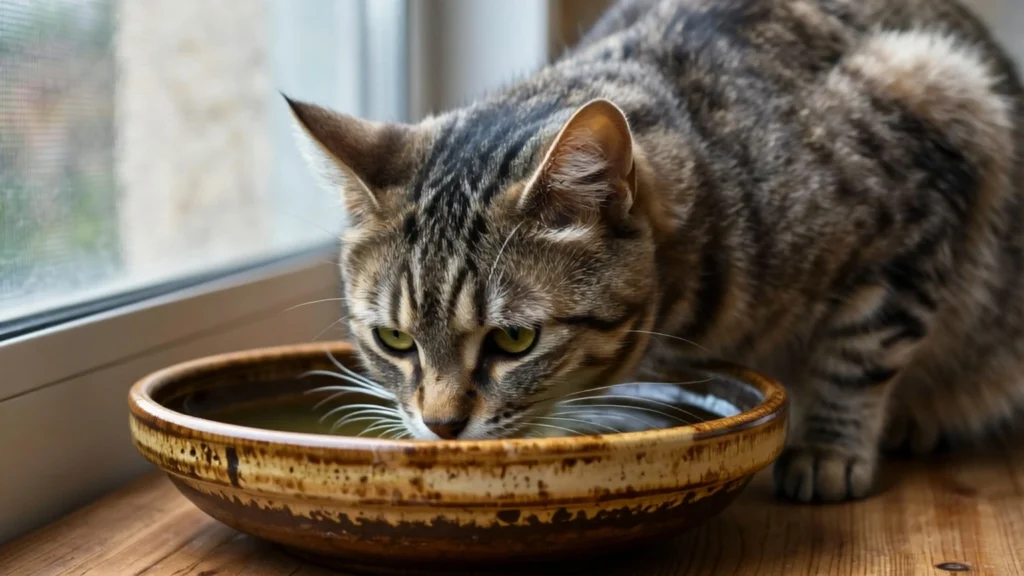
Chronic kidney disease develops gradually, often over months or years, making it particularly insidious. By the time your old cat drinking excessive water becomes noticeable, approximately 75% of kidney function may already be compromised.
Here’s what’s happening inside your cat’s body:
Stage 1-2 (Early CKD): Kidney damage exists but may not produce obvious symptoms. Some cats begin showing subtle increases in water consumption that owners might not immediately recognize as problematic.
Stage 3 (Moderate CKD): Your old cat drinking excessive water becomes unmistakable. The kidneys can no longer concentrate urine properly, leading to polydipsia and polyuria (excessive urination). This is when most owners first notice something is wrong.
Stage 4 (Advanced CKD): Multiple symptoms emerge, including lethargy, weight loss, poor appetite, and vomiting, alongside the excessive water intake you’ve been observing.
Research published in the Journal of Feline Medicine and Surgery indicates that cats diagnosed and treated during stages 1-2 can maintain quality of life for years, while those diagnosed in stage 4 have a significantly poorer prognosis. This makes recognizing your old cat drinking excessive water an absolutely critical early warning sign.
Measuring Your Cat’s Water Intake: Getting Data-Driven
Before panicking, you need accurate data. Many cat owners think their old cat drinking excessive water when actually consumption falls within normal parameters, while others miss genuinely concerning increases because they’re not measuring properly.
The 24-Hour Water Test
Follow this protocol for accurate assessment:
Day 1 (Baseline): Use a measuring cup to fill your cat’s water bowl(s) with a precise amount, say 16 ounces. Record this number. If you have multiple cats, separate them if possible or use individual bowls.
Day 2 (Measurement): Exactly 24 hours later, measure how much water remains. Subtract this from your starting amount to calculate consumption.
Calculation: Divide total ounces consumed by your cat’s weight in pounds. A 10-pound cat drinking 12 ounces in 24 hours would be consuming 1.2 ounces per pound, well above the normal 0.7-0.9 ounces per pound range.
Important considerations: Account for water from wet food (approximately 70-80% moisture content), evaporation in warm weather, and water splashed during play. Repeat the test over 3-4 days for accuracy.
If your measurements confirm your old cat drinking excessive water, consuming more than 1 ounce per pound of body weight daily, schedule a veterinary appointment immediately.
Beyond Kidney Disease: Other Causes of Excessive Thirst in Senior Cats
While chronic kidney disease is the most common culprit when you notice your old cat drinking excessive water, several other conditions can trigger polydipsia in aging felines:
Diabetes Mellitus
Feline diabetes affects approximately 1 in 200 cats, with senior cats at the highest risk. When your cat can’t properly utilize glucose, excess sugar spills into the urine, pulling water with it through osmotic pressure. Your old cat drinking excessive water, attempts to replace these lost fluids. Additional symptoms include increased appetite with weight loss, lethargy, and a dull coat.
Hyperthyroidism
This hormonal disorder affects nearly 10% of senior cats, caused by overproduction of thyroid hormone from an enlarged thyroid gland. The elevated metabolism increases thirst and urination. If your old cat drinking excessive water and also seems hyperactive, restless, or has lost weight despite eating voraciously, hyperthyroidism should be investigated.
Liver Disease
Hepatic dysfunction can disrupt normal fluid regulation and metabolism. Cats with liver disease may show your old cat drinking excessive water pattern alongside jaundice (yellowing of eyes/gums), vomiting, and appetite changes.
Urinary Tract Infections and Diseases
While less common in cats than dogs, UTIs and conditions like cystitis can cause increased water consumption. Your old cat drinking excessive water might be attempting to flush out discomfort or infection from the urinary system.
Medication Side Effects
Certain medications, particularly corticosteroids used for inflammatory conditions, can trigger excessive thirst. If your senior cat recently started new medications and is now drinking excessively, discuss this connection with your veterinarian.
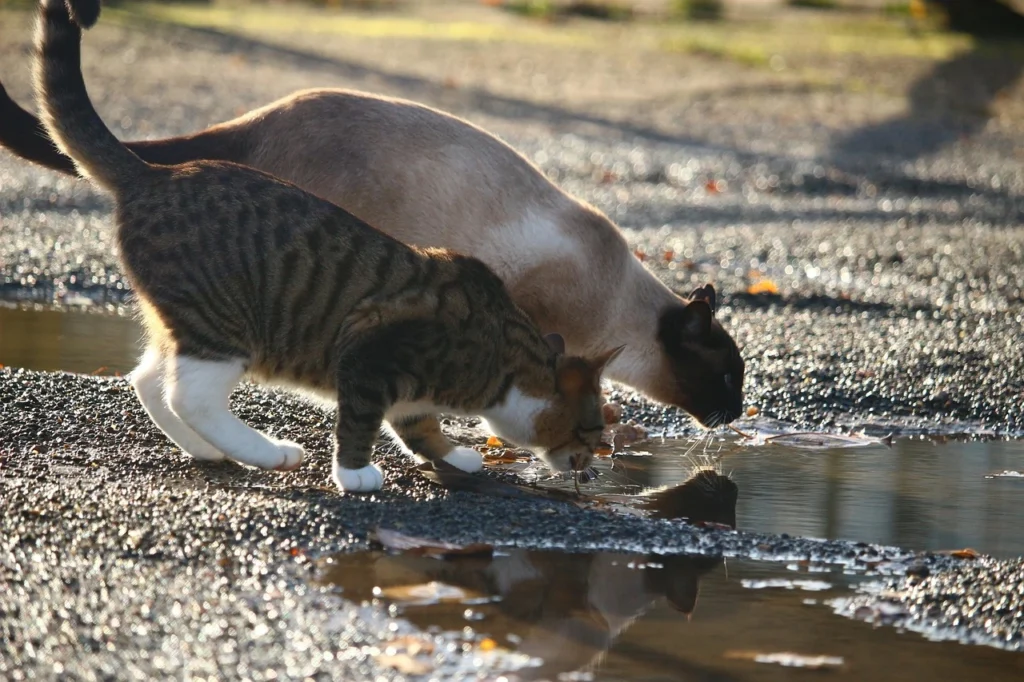
Early Detection Protocol: What Your Veterinarian Will Check
When you bring concerns about your old cat drinking excessive water to your veterinarian, expect a comprehensive diagnostic workup. Early detection requires thorough investigation because catching kidney disease in its earliest stages dramatically impacts treatment success.
Essential Diagnostic Tests
Complete Blood Count (CBC): Evaluates red blood cells, white blood cells, and platelets. Anemia is common in cats with kidney disease as failing kidneys produce less erythropoietin, a hormone stimulates red blood cell production.
Comprehensive Chemistry Panel: This blood test measures kidney function markers, including:
- Creatinine: Waste product filtered by kidneys; elevated levels indicate reduced kidney function
- Blood Urea Nitrogen (BUN): Another kidney function indicator
- Phosphorus: Often elevated in kidney disease
- Potassium: Can become dangerously low or high with kidney dysfunction
- Glucose: Rules out diabetes as the cause of your old cat drinking excessive water
Urinalysis: Perhaps the most revealing test when investigating your old cat drinking excessive water. This evaluates:
- Specific gravity (concentration): Dilute urine (specific gravity below 1.030) in a dehydrated cat strongly suggests kidney disease
- Protein levels: Protein in urine (proteinuria) indicates kidney damage
- Bacteria, crystals, and cells: Identify infections or other urinary tract issues
Symmetric Dimethylarginine (SDMA) Test: This revolutionary biomarker detects kidney disease earlier than traditional tests, identifying dysfunction when only 25-40% of kidney function is lost, rather than the 75% required for creatinine elevation. If your old cat drinking excessive water hasn’t yet shown elevated creatinine, SDMA might still reveal early kidney disease.
Blood Pressure Measurement: Hypertension both causes and results from kidney disease, creating a destructive cycle. Approximately 20% of cats with CKD develop high blood pressure.
Thyroid Panel (T4): Rules out hyperthyroidism, especially important if your old cat drinking excessive water and also displays weight loss or hyperactivity.
Urinary Protein: Creatinine Ratio (UPC): Quantifies protein loss in urine, helping stage kidney disease severity and guide treatment decisions.
Imaging Studies
Depending on initial findings, your veterinarian might recommend:
Abdominal Ultrasound: Visualizes kidney size, shape, and internal structure. Chronic kidney disease typically produces small, irregularly shaped kidneys, while other conditions may cause enlargement.
X-rays: Can identify kidney stones, unusual shapes, or size abnormalities contributing to your old cat drinking excessive water.
Treatment Strategies: Managing Your Senior Cat’s Health
If diagnostics confirm that your old cat drinking excessive water stems from chronic kidney disease, remember this: while CKD cannot be cured, it can absolutely be managed. Cats diagnosed early can enjoy years of good quality of life with appropriate interventions.
Dietary Management: The Foundation of CKD Treatment
Therapeutic kidney diets form the cornerstone of management when your old cat drinking excessive water and has confirmed kidney disease. These specialized formulations feature:
Reduced Protein (High-Quality): Lower protein reduces kidney workload and waste product accumulation, but the protein included is exceptionally high-quality and highly digestible.
Restricted Phosphorus: Elevated phosphorus accelerates kidney damage. Therapeutic diets typically contain 0.3-0.5% phosphorus (dry matter basis) versus 1-2% in regular cat foods.
Enhanced Omega-3 Fatty Acids: EPA and DHA from fish oil provide anti-inflammatory benefits and may slow kidney disease progression.
Controlled Sodium: Helps manage blood pressure and fluid balance.
Alkalinizing Agents: Many kidney diets include potassium citrate to counteract the metabolic acidosis common in CKD.
Studies show that cats eating therapeutic kidney diets live significantly longer, often 2-3 times longer than those eating regular food. If your old cat drinking excessive water resists prescription diets initially, be patient. Gradual transition over 2-3 weeks, warming the food slightly, and trying different brands or flavors improves acceptance.
Hydration Support
Since your old cat drinking excessive water is already trying to maintain hydration, support these efforts:
Multiple Water Stations: Place bowls throughout your home, especially near favorite resting spots.
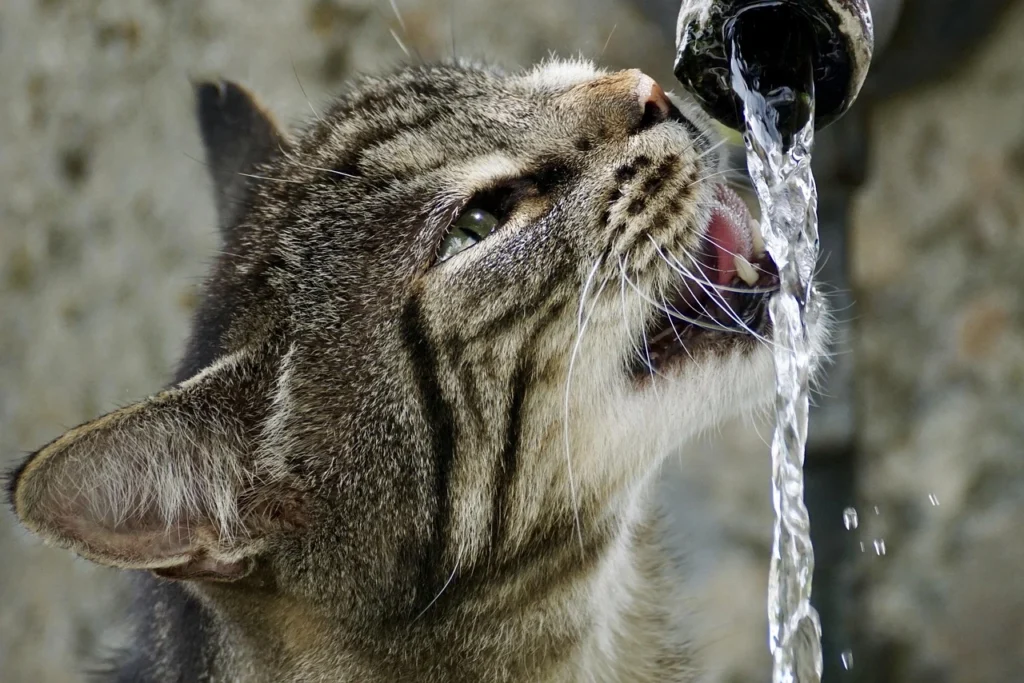
Water Fountains: Many cats prefer running water. Fountains encourage increased drinking and may benefit your old cat drinking excessive water by making hydration more appealing.
Wet Food: If not already feeding wet food, transition to it. The high moisture content (70-80%) significantly contributes to daily fluid intake beyond your old cat drinking excessive water from the bowl.
Subcutaneous Fluids: As kidney disease progresses, your veterinarian may recommend at-home fluid therapy. This involves injecting sterile fluids under your cat’s skin 1-3 times weekly, directly addressing dehydration that drives your old cat drinking excessive water.
Medications and Supplements
Depending on your cat’s specific condition, treatments may include:
Phosphate Binders: If dietary restriction alone doesn’t control phosphorus, medications like aluminum hydroxide prevent dietary phosphorus absorption.
Blood Pressure Medications: Amlodipine is commonly prescribed to manage hypertension in cats with kidney disease.
Potassium Supplements: Many CKD cats develop hypokalemia (low potassium), causing weakness and further appetite suppression.
Appetite Stimulants: Mirtazapine or maropitant can help when kidney disease suppresses appetite.
Anti-Nausea Medications: Famotidine or maropitant combat the nausea and vomiting associated with uremia (waste product buildup).
Erythropoietin: For anemic cats, this hormone stimulates red blood cell production, improving energy levels and quality of life.
Omega-3 Supplements: If not already included in the therapeutic diet, fish oil supplements provide anti-inflammatory benefits.
Regular Monitoring
Once you’ve discovered that your old cat drinking excessive water is related to kidney disease, ongoing monitoring becomes essential:
- Recheck bloodwork every 3-6 months to track disease progression
- Monthly weight checks to identify concerning losses early
- Blood pressure measurements at each veterinary visit
- Urinalysis every 6 months to monitor protein loss and urine concentration
- Home observation of water intake, appetite, energy, and litter box habits
Lifestyle Adjustments: Creating a Kidney-Friendly Environment
Beyond medical interventions, environmental modifications support your old cat drinking excessive water and managing kidney disease:
Litter Box Accessibility
Your cat with excessive drinking will also have excessive urination. Ensure:
- Multiple boxes (one per cat, plus one extra) are spread throughout your home
- Larger boxes for cats who might have accidents due to increased urine volume
- Lower sides of arthritis make stepping into high-sided boxes difficult
- More frequent cleaning since the box fills faster
Stress Reduction
Stress exacerbates kidney disease. If your old cat drinking excessive water has confirmed CKD:
- Maintain consistent routines
- Provide vertical space and hiding spots
- Use pheromone diffusers (like Feliway)
- Minimize household disruptions
- Consider separate feeding areas if you have multiple cats
Temperature Control
Cats with kidney disease often feel cold due to anemia and reduced metabolism. Provide:
- Warm sleeping areas away from drafts
- Heated beds (with safety shutoff features)
- Cozy blankets and enclosed beds
Prevention and Early Detection: Proactive Health Monitoring
Even if your old cat drinking excessive water hasn’t been diagnosed with kidney disease yet, proactive measures can protect kidney health and enable the earliest possible detection:
Annual Senior Wellness Exams
For cats over 7 years old, schedule veterinary visits at least twice yearly. These should include:
- Complete physical examination
- Blood pressure check
- Bloodwork including SDMA
- Urinalysis
- Weight and body condition assessment
Early abnormalities can be detected before your old cat drinking excessive water becomes obvious.
Home Monitoring Checklist
Between veterinary visits, watch for:
- Water bowl refills: Are you filling bowls more frequently?
- Litter box clumps: Larger, more numerous clumps indicate increased urination
- Weight changes: Weigh monthly; 0.5-1 pound loss in a 10-pound cat is significant
- Behavior shifts: Reduced grooming, hiding more, decreased activity
- Appetite fluctuations: Even subtle decreases matter
- Vomiting frequency: Occasional is normal; weekly is not
If you notice your old cat drinking excessive water along with any other symptoms, don’t wait for the next scheduled appointment.
Dietary Considerations
Even before kidney disease develops:
- Feed high-quality protein: Better quality means less kidney waste
- Ensure adequate hydration: Wet food supports kidney health
- Avoid excessive treats: Many treats are high in phosphorus and poor-quality protein
- Maintain a healthy weight: Obesity stresses all organs, including the kidneys
When to Seek Emergency Care
While your old cat drinking excessive water typically represents chronic rather than acute problems, certain situations demand immediate veterinary attention:
- Complete loss of appetite for more than 24 hours
- Repeated vomiting (more than 2-3 times in 24 hours)
- Inability to urinate or crying in the litter box
- Severe lethargy or inability to stand
- Seizures or disorientation
- Extremely pale or bright yellow gums
- Collapse or unconsciousness
These signs might indicate acute kidney failure, urinary obstruction, or severe metabolic crisis requiring emergency intervention.
Living Well With Kidney Disease: Real-World Success Stories
Many cats diagnosed early when owners noticed their old cat drinking excessive water go on to thrive for years. Success depends on:
Owner Commitment: Consistent medication administration, dietary compliance, and monitoring.
Veterinary Partnership: Working closely with your vet to adjust treatments as needed.
Quality of Life Focus: Regular assessment of whether your cat is comfortable and enjoying life
Cats in early-stage kidney disease often maintain their normal personality, playfulness, and quality of life for 2-4 years or longer with proper management. Even cats diagnosed in moderate stages frequently enjoy 1-2+ years of good life.
The key difference? Early detection, recognizing your old cat drinking excessive water and acting on it promptly.
Essential Products for Cats Drinking Excessive Water
Hydration & Feeding
- Cat Water Fountain – Encourages drinking with flowing water (brands: Catit Flower Fountain, PetSafe Drinkwell)
- Multiple Stainless Steel Water Bowls – Place throughout home, easier to clean than plastic
- Elevated Food/Water Bowl Set – Reduces neck strain for senior cats
- Prescription Kidney Diet Food – Hill’s k/d, Royal Canin Renal Support, Purina NF
- Wet Food (High Moisture) – 70-80% water content for additional hydration
Monitoring & Health
- Pet Scale – Track weight changes monthly (accuracy to 0.1 lb)
- Measuring Cup/Water Dispenser – Monitor daily water intake accurately
- Large Litter Boxes – Handle increased urination volume
- Unscented Clumping Litter – Makes urine monitoring easier
- Blood Pressure Monitor (Veterinary) – For at-home monitoring if recommended
Comfort & Support
- Heated Pet Bed – Cats with kidney disease often feel cold
- Soft Fleece Blankets – Extra warmth and comfort
- Low-Entry Litter Box – Easier access for arthritic senior cats
- Pet Steps/Ramp – Access to favorite elevated spots
Medications & Supplements
- Pill Pockets/Pill Crusher – Medication administration aids
- Omega-3 Fish Oil Supplement – Anti-inflammatory support (if not in diet)
- Phosphate Binder – As prescribed by vet
- Subcutaneous Fluid Kit – Needles, bags, line (if prescribed for home fluid therapy)
Stress Reduction
- Feliway Diffuser – Calming pheromones reduce stress
- Quiet Automatic Feeder – Maintains feeding routine when away
Nice-to-Have
- Pet Camera – Monitor water drinking and behavior remotely
- Washable Pee Pads – For accidents during the adjustment period
- Enzyme Cleaner – For any urinary accidents
- Slow Feeder Bowl – Prevents vomiting if eating too fast
Budget Priority Order:
- Veterinary diagnosis and prescription diet (MOST IMPORTANT)
- Water fountain + multiple bowls
- Measuring tools for monitoring
- Comfort items (heated bed, extra litter boxes)
- Supplements and aids as prescribed
💡 Pro Tip: Always consult your veterinarian before purchasing supplements or making dietary changes. Focus first on accurate diagnosis, then build your product list based on your cat’s specific needs and disease stage.
Conclusion: Your Vigilance Makes the Difference
Your old cat drinking excessive water isn’t just getting older or being quirky, it’s potentially communicating the onset of kidney disease or another serious condition requiring medical attention. Your awareness and quick action can literally add years of quality life to your feline companion’s journey.
Remember the key takeaways:
- Excessive water consumption in senior cats is never normal and always warrants investigation
- Chronic kidney disease affects 30-40% of cats over 10 and is highly manageable when caught early
- Simple home monitoring of water intake provides valuable data for your veterinarian
- Comprehensive diagnostics, including SDMA testing, enable the earliest possible detection
- Therapeutic diets, medications, and lifestyle adjustments allow cats with CKD to thrive for years
- Regular senior wellness exams catch problems before obvious symptoms develop
If you’ve noticed your old cat drinking excessive water, don’t wait to see if it resolves on its own. Schedule a veterinary appointment this week. Early intervention transforms kidney disease from a death sentence to a manageable chronic condition, giving you precious additional years with your beloved companion.
Your cat depends on you to recognize when something isn’t right. Trust your instincts, advocate for thorough diagnostics, and commit to the management plan your veterinarian develops. Your vigilance today ensures your senior cat’s comfort and longevity tomorrow.
Frequently Asked Questions (FAQs)
How much water is too much for an old cat?
If your old cat is drinking excessive water and consumes more than 1 ounce per pound of body weight daily, it’s considered excessive. For a 10-pound cat, that means more than 10 ounces (about 1.25 cups) in 24 hours should prompt veterinary evaluation. Measure water intake over 3-4 days for accuracy, remembering to account for moisture in wet food.
Can old cats drinking excessive water be reversed?
The underlying causes of your old cat drinking excessive water, like kidney disease, typically cannot be reversed, but they can be effectively managed. Early intervention with therapeutic diets, medications, and supportive care allows many cats to maintain quality of life for years. The excessive drinking itself may persist as it’s the body’s compensatory mechanism, but proper management prevents disease progression.
How quickly does kidney disease progress in cats?
Progression varies significantly. Some cats remain stable in early stages for 2-4 years with proper management, while others progress more rapidly. Factors influencing progression include stage at diagnosis, dietary compliance, phosphorus control, blood pressure management, and underlying cause. Regular monitoring helps your veterinarian adjust treatments to slow progression when your old cat drinking excessive water is related to CKD.
Should I restrict water if my old cat is drinking too much?
Never restrict water access for your old cat drinking excessive water. Excessive drinking is a symptom, not the problem itself. Your cat needs that water to compensate for kidney dysfunction or other underlying conditions. Restricting water would cause dangerous dehydration and worsen kidney function. Instead, identify and treat the root cause while ensuring unlimited access to fresh water.
What’s the life expectancy for a cat diagnosed with kidney disease?
Life expectancy depends heavily on disease stage at diagnosis and treatment compliance. Cats diagnosed in stage 1-2 (early CKD) often live 3-5+ years with proper management. Stage 3 cats typically live 1-3 years, while stage 4 cats have the poorest prognosis. The key factor? How early do you recognize your old cat drinking excessive water and seek veterinary care? Early detection and aggressive management dramatically extend lifespan and quality of life.
Are certain cat breeds more prone to kidney disease?
While chronic kidney disease can affect any cat, certain breeds show a higher predisposition: Persians, Abyssinians, Siamese, Russian Blues, Burmese, and Maine Coons. Persian cats are particularly susceptible to polycystic kidney disease (PKD), an inherited condition. If your old cat is drinking excessive water, belongs to one of these breeds, kidney screening should begin even earlier, around age 5-7, rather than 10.
Can changing diet alone manage kidney disease?
For cats in early-stage kidney disease, therapeutic diet changes alone sometimes provide sufficient management, especially when combined with hydration support. However, as the disease progresses, most cats require additional interventions, including phosphate binders, blood pressure medications, anti-nausea drugs, and potentially subcutaneous fluids. When you first notice your old cat drinking excessive water and receive a kidney disease diagnosis, work with your veterinarian to develop a comprehensive, staged treatment approach that begins with dietary modification but includes plans for additional support as needed.