Senior Cat Constipation Home Remedies
If you’ve noticed your beloved senior feline struggling in the litter box, you’re not alone. Senior cat constipation home remedies can provide gentle, effective relief for your aging companion while addressing one of the most common digestive issues in older cats. As our cats age, their digestive systems slow down, making constipation a frequent concern that requires immediate attention and compassionate care.
Understanding effective home remedies for senior cat constipation is essential for every cat parent with an aging pet. While veterinary intervention is sometimes necessary, many cases of feline constipation can be managed successfully at home with natural, safe solutions. In this comprehensive guide, we’ll explore eight veterinarian-approved methods to help your senior cat find relief and maintain optimal digestive health.
Understanding Senior Cat Constipation: Why It Happens
Before diving into senior cat constipation home remedies, it’s crucial to understand why older cats are particularly susceptible to this uncomfortable condition. As cats enter their golden years, typically around seven to ten years old, several physiological changes occur that impact their gastrointestinal function.
Reduced Activity Levels: Senior cats naturally become less active, which means decreased intestinal motility. When your cat moves less, so does their digestive system, leading to harder, more difficult-to-pass stools.
Dehydration: Aging cats often drink less water and may have underlying kidney issues that contribute to chronic dehydration. Without adequate moisture, fecal matter becomes dry and compacted in the colon.
Medication Side Effects: Many senior cats take medications for arthritis, heart disease, or other age-related conditions. Some medications, particularly pain relievers and diuretics, can contribute to constipation.
Arthritis and Mobility Issues: When it hurts to get into the litter box or assume the squatting position, cats may avoid defecation, leading to more severe constipation over time.
Decreased Grooming: Senior cats with arthritis may groom less effectively, resulting in more hairball accumulation that can block the digestive tract.
Recognizing these underlying causes helps you select the most appropriate senior cat constipation home remedies for your specific situation.
Recognizing the Warning Signs
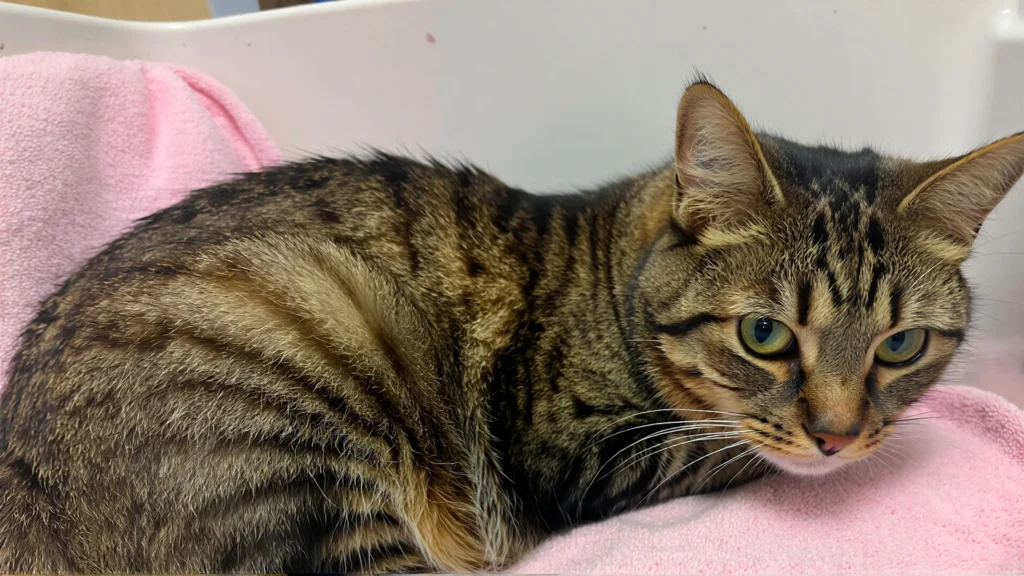
Before implementing senior cat constipation home remedies, you need to confirm that constipation is indeed the problem. Watch for these telltale symptoms:
- Straining in the litter box with little to no results
- Small, hard, dry fecal pellets
- Infrequent bowel movements (less than once every 48 hours)
- Crying or showing discomfort when attempting to defecate
- Loss of appetite or vomiting
- Lethargy and decreased energy
- A distended or painful abdomen
If your senior cat hasn’t had a bowel movement in three days, or if you notice blood in their stool or severe distress, contact your veterinarian immediately. These senior cat constipation home remedies are intended for mild to moderate cases, not severe impaction or obstruction.
8 Vet-Approved Senior Cat Constipation Home Remedies
1. Hydration Boost: The Foundation of All Remedies
Proper hydration stands as the cornerstone of effective senior cat constipation home remedies. Water softens stool and promotes regular bowel movements, making it essential for digestive health.
Implementation Strategy:
- Multiple Water Stations: Place several water bowls throughout your home at various heights to accommodate arthritic cats who struggle with bending down.
- Cat Water Fountains: Many senior cats prefer running water. A fountain encourages drinking and keeps water fresh and oxygenated.
- Wet Food Transition: If your cat primarily eats dry kibble, gradually transition to wet food, which contains 70-80% moisture compared to dry food’s 10%.
- Water Flavoring: Add a small amount of low-sodium chicken or tuna broth to water bowls to make them more appealing.
- Ice Cube Treats: Some cats enjoy licking ice cubes, which provides both hydration and entertainment.
Pro Tip: Monitor your cat’s water intake by measuring the water you add to bowls. A healthy senior cat should consume approximately 3.5 to 4.5 ounces of water per five pounds of body weight daily.
2. Dietary Fiber Adjustment: Nature’s Digestive Aid
Among the most effective senior cat constipation home remedies is the strategic addition of fiber to your cat’s diet. Fiber adds bulk to stool and helps it move through the intestinal tract more efficiently.
Fiber Sources for Senior Cats:
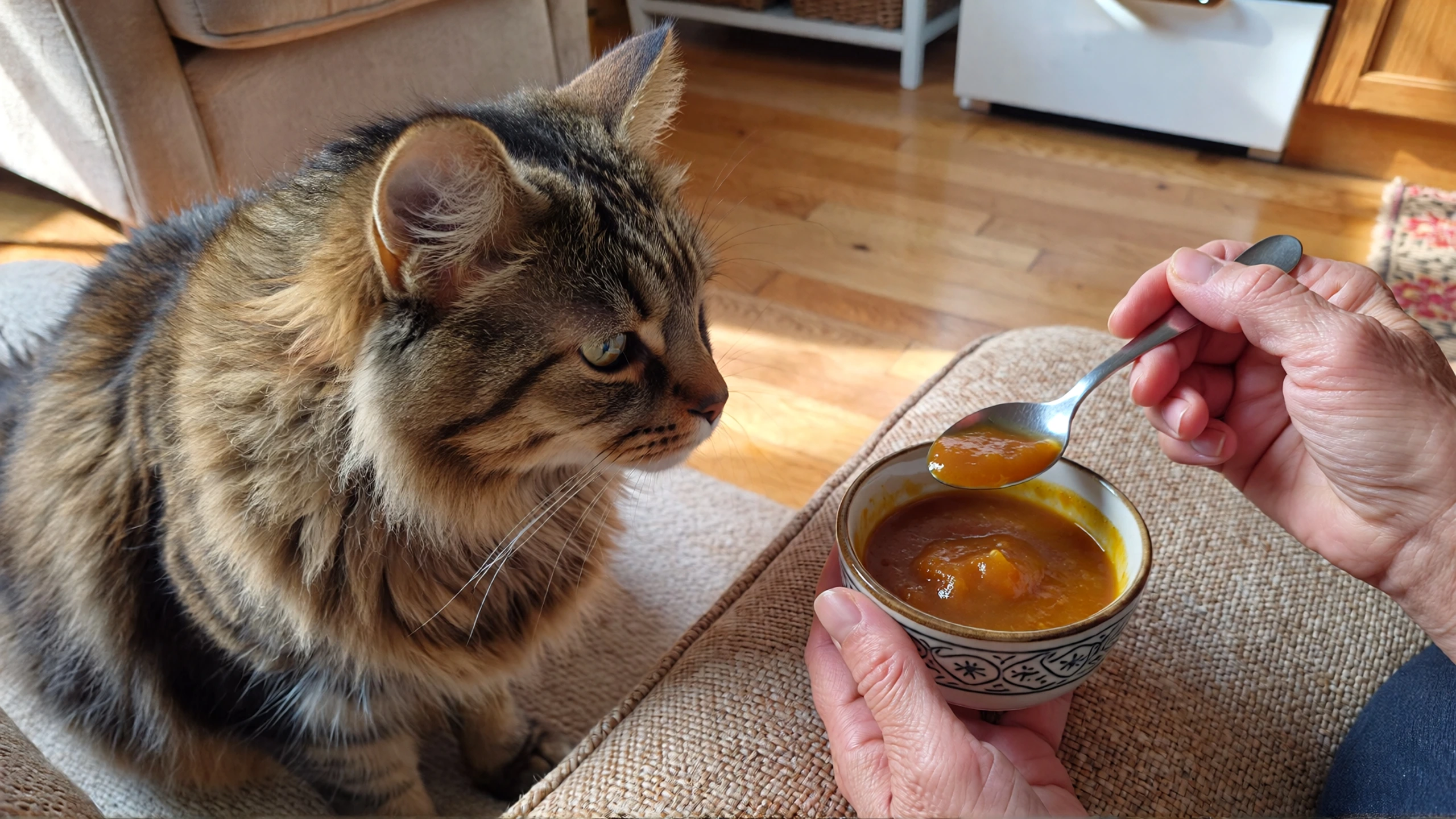
- Canned Pumpkin (Pure): Add 1-2 teaspoons of plain, unsweetened canned pumpkin to your cat’s food. Not pumpkin pie filling, just pure pumpkin. This provides soluble fiber that absorbs water and softens stool.
- Psyllium Husk Powder: Mix 1/4 to 1/2 teaspoon with wet food once daily. Start with smaller amounts and increase gradually to avoid gas or bloating.
- Wheat Bran: A tiny pinch (1/8 teaspoon) mixed into food can provide gentle fiber supplementation.
- Specialized Senior Cat Food: High-quality senior formulas often contain appropriate fiber levels designed specifically for aging digestive systems.
Important Considerations: While fiber is beneficial, too much can actually worsen constipation by creating more bulk without adequate moisture. Always combine fiber supplementation with increased hydration—these senior cat constipation home remedies work synergistically.
3. Gentle Exercise and Movement Therapy
Physical activity stimulates intestinal motility, making exercise one of the most overlooked yet valuable senior cat constipation home remedies. Even cats with arthritis can benefit from gentle, appropriate movement.
Exercise Strategies for Senior Cats:
- Interactive Play Sessions: Engage your cat with feather wands, laser pointers, or toy mice for 5-10 minutes, three times daily. Keep sessions short to avoid exhaustion.
- Food Puzzles: Use puzzle feeders that require your cat to work for their meals, promoting both mental stimulation and physical movement.
- Elevated Pathways: Install cat shelves or ramps that encourage climbing and movement throughout the day.
- Gentle Massage: Perform circular abdominal massages in a clockwise direction for 2-3 minutes daily. Use gentle pressure and stop if your cat shows discomfort.
- Passive Range-of-Motion: For arthritic cats, gently move their legs in cycling motions while they rest, promoting circulation and digestive function.
Regular movement, even in small amounts, significantly enhances the effectiveness of other senior cat constipation home remedies you’re implementing.
4. Laxative Supplements: The Hairball Connection
Commercial feline laxatives and hairball remedies represent safe, convenient senior cat constipation home remedies when used appropriately. These petroleum-based products coat the digestive tract and help stool pass more easily.
Recommended Options:
- Petroleum-Based Hairball Remedies: Products like Laxatone or Petromalt are flavored gels that most cats find palatable. Administer 1/4 to 1/2 teaspoon daily.
- Natural Alternatives: Coconut oil (1/4 teaspoon daily) or olive oil (1/2 teaspoon mixed with food) can provide gentle lubrication.
- Fish Oil Supplements: Omega-3 fatty acids support overall digestive health while providing mild laxative effects. Use supplements specifically formulated for cats.
Usage Guidelines: These senior cat constipation home remedies work best as preventive measures or for mild constipation. Apply gel-based products to your cat’s paw, where they’ll lick it off naturally. Never force-feed, as this can cause aspiration.
5. Probiotics: Balancing the Gut Microbiome
Probiotic supplementation has emerged as one of the most scientifically supported senior cat constipation home remedies. These beneficial bacteria support healthy digestion and regular bowel movements.
Why Probiotics Help:
- Restore balance to gut flora disrupted by medications or aging
- Improve nutrient absorption and water retention in stool
- Reduce inflammation in the digestive tract
- Support overall immune function
Implementation:
- Feline-Specific Formulas: Choose probiotics designed specifically for cats, containing strains like Enterococcus faecium or Bifidobacterium animalis.
- Powder or Paste Forms: These mix easily into wet food and are more shelf-stable than liquid formulations.
- Consistency is Key: Probiotics work gradually. Administer daily for at least 2-4 weeks before assessing effectiveness.
Recommended Brands: Look for veterinary-grade products from companies like Purina Pro Plan FortiFlora, Nutramax Proviable, or VetriScience Vetri Mega Probiotic.
6. Litter Box Optimization: Removing Barriers to Success
Sometimes, the most effective senior cat constipation home remedies involve environmental modifications rather than dietary changes. An uncomfortable or inaccessible litter box can cause cats to avoid elimination.
Litter Box Modifications for Senior Cats:
- Low Entry Points: Use boxes with one low side or cut down an opening to 3-4 inches high, allowing arthritic cats easier access.
- Larger Size: Senior cats need more space to maneuver. Choose boxes at least 1.5 times your cat’s length.
- Strategic Placement: Position boxes on every floor of your home, near favorite resting spots. Avoid high-traffic areas that might discourage use.
- Litter Type: Some seniors prefer softer litter that’s gentler on sensitive paw pads. Try paper-based or fine-grain clumping varieties.
- Cleanliness: Scoop at least twice daily. Senior cats are often more particular about cleanliness.
Multiple Boxes Rule: The standard recommendation is one box per cat plus one extra, but senior cats may benefit from even more options distributed throughout your home.
7. Stress Reduction: The Mind-Gut Connection
Emotional well-being significantly impacts digestive health, making stress management one of the often-overlooked senior cat constipation home remedies. Anxiety can slow intestinal motility and worsen constipation.
Stress-Reduction Techniques:
- Consistent Routine: Feed, play with, and interact with your senior cat at the same times daily. Predictability reduces anxiety.
- Safe Spaces: Provide elevated perches or enclosed beds where your cat can retreat and feel secure.
- Pheromone Diffusers: Products like Feliway release calming pheromones that help reduce environmental stress.
- Minimize Changes: Avoid unnecessary disruptions to your senior cat’s environment. When changes are unavoidable, introduce them gradually.
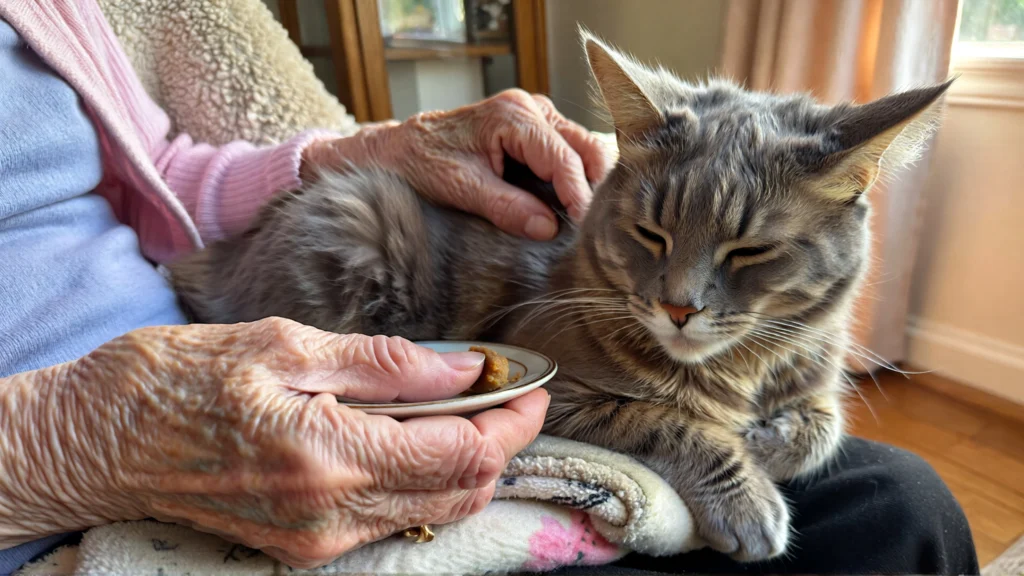
- Quality Time: Spend 15-20 minutes daily in quiet, one-on-one interaction through gentle petting or brushing.
The connection between emotional health and physical well-being makes stress reduction an essential component of comprehensive senior cat constipation home remedies.
8. Temperature and Moisture Therapy
Warm compresses and gentle heat application represent simple yet effective senior cat constipation home remedies that promote relaxation and improved circulation to the digestive tract.
Application Methods:
- Warm Compress: Soak a clean washcloth in warm (not hot) water, wring it out, and hold it gently against your cat’s lower abdomen for 2-3 minutes. Repeat 2-3 times daily.
- Heating Pad: Place a pet-safe heating pad (set on low) under your cat’s favorite resting spot to promote relaxation and improved circulation.
- Warm Water Supplement: Slightly warm your cat’s wet food or add warm water to create a gravy-like consistency, encouraging consumption and hydration.
Safety First: Always test the temperature on your inner wrist before applying anything warm to your cat. Never use heat therapy if your cat shows signs of distress or tries to move away.
Creating Your Personalized Treatment Plan
The most effective approach combines multiple senior cat constipation home remedies tailored to your cat’s specific needs, lifestyle, and underlying health conditions.
Week-by-Week Implementation Strategy:
Week 1: Foundation Building
- Introduce multiple water sources and transition to wet food
- Begin gentle abdominal massage
- Optimize litter box setup
Week 2: Supplementation
- Add canned pumpkin or psyllium to the diet
- Begin probiotic supplementation
- Implement stress-reduction techniques
Week 3: Fine-Tuning
- Adjust fiber amounts based on response
- Increase exercise and play if tolerated
- Consider laxative supplements if needed
Week 4: Evaluation and Maintenance
- Assess what’s working and adjust accordingly
- Continue successful interventions
- Monitor bowel movement frequency and consistency
When Home Remedies Aren’t Enough
While these senior cat constipation home remedies are effective for many cats, certain situations require immediate veterinary attention:
- No bowel movement for more than three days
- Severe lethargy, vomiting, or complete loss of appetite
- Visible pain or crying when attempting to defecate
- Hard, distended abdomen
- Blood in stool or around the rectum
- Previous history of megacolon or chronic constipation
Your veterinarian may recommend diagnostic tests like abdominal X-rays or an ultrasound to rule out obstruction, tumors, or megacolon. Professional treatments might include:
- Manual deobstipation under sedation
- Prescription laxatives like lactulose
- Motility-enhancing medications
- Subcutaneous fluid therapy for hydration
- Dietary prescription formulas designed for constipation management
Preventing Future Episodes
Once you’ve successfully resolved your cat’s constipation using these senior cat constipation home remedies, prevention becomes your primary focus.
Long-Term Prevention Strategies:
- Maintain Hydration: Continue encouraging water consumption through fountains, multiple bowls, and wet food
- Regular Exercise: Keep up with daily play sessions appropriate for your cat’s mobility level
- Consistent Monitoring: Track bowel movements in a journal, noting frequency and stool consistency
- Routine Grooming: Brush your senior cat regularly to reduce hairball formation, especially during shedding seasons
- Annual Senior Wellness Exams: Schedule veterinary check-ups every six months for cats over ten years old
- Weight Management: Obesity increases constipation risk. Maintain your cat at an ideal body weight through portion control
- Medication Review: If your cat takes medications, discuss potential constipating side effects with your veterinarian
The Role of Quality Nutrition
Beyond specific senior cat constipation home remedies, overall diet quality plays a crucial role in digestive health. Consider these nutritional factors:
Protein Quality: Senior cats need highly digestible, high-quality protein to maintain muscle mass without overburdening the digestive system.
Moisture Content: Wet food should comprise at least 50% of your senior cat’s diet, with 75-100% being ideal for constipation-prone cats.
Omega Fatty Acids: These support overall health, including digestive function and inflammation reduction.
Limited Ingredients: Some cats develop food sensitivities with age. Simple, limited-ingredient diets may be beneficial.
Specialized Senior Formulas: These often contain adjusted protein, phosphorus, and fiber levels appropriate for aging kidneys and digestive systems.
Monitoring and Tracking Success
Successful implementation of senior cat constipation home remedies requires careful monitoring and documentation.
What to Track:
- Bowel movement frequency (daily vs. every other day)
- Stool consistency (use the Bristol Stool Chart adapted for cats)
- Behavioral changes (energy level, appetite, litter box avoidance)
- Intervention effectiveness (which remedies produce results)
- Water intake volume
- Food consumption amounts
Digital Tools: Consider using pet health apps like PetDesk, 11pets, or PetPocketbook to track your cat’s digestive health trends over time. These apps can generate reports to share with your veterinarian.
Understanding Individual Variation
Remember that every senior cat responds differently to various senior cat constipation home remedies. What works brilliantly for one cat might be ineffective or even counterproductive for another.
Factors Influencing Treatment Response:
- Underlying health conditions (kidney disease, diabetes, hyperthyroidism)
- Medications and their interactions
- Individual digestive anatomy and history
- Activity level and mobility
- Stress tolerance and personality
- Previous constipation severity and duration
Be patient and willing to experiment with different combinations of these remedies under your veterinarian’s guidance. Most cats respond well within 2-4 weeks of consistent intervention.
Conclusion
Senior cat constipation home remedies offer safe, effective solutions for one of the most common health challenges facing aging felines. By implementing these eight veterinarian-approved strategies from hydration optimization and dietary fiber adjustment to exercise therapy and stress reduction, you can significantly improve your senior cat’s digestive comfort and overall quality of life.
The key to success lies in consistency, careful observation, and a willingness to adapt your approach based on your cat’s individual response. Start with the foundational elements of hydration and diet, then gradually incorporate additional senior cat constipation home remedies as needed. Always maintain open communication with your veterinarian, especially when introducing new supplements or if your cat’s condition doesn’t improve within a reasonable timeframe.
Your senior cat depends on you to recognize when they’re uncomfortable and to take proactive steps toward relief. Armed with these proven senior cat constipation home remedies and a commitment to your feline companion’s wellbeing, you’re well-equipped to help them navigate their golden years with comfort, dignity, and optimal digestive health.
Remember: while these home treatments are effective for mild to moderate constipation, they’re not substitutes for professional veterinary care when serious conditions are present. When in doubt, always consult your veterinarian to ensure you’re providing the safest, most appropriate care for your beloved senior cat.
Frequently Asked Questions (FAQs)
How long does it take for senior cat constipation home remedies to work?
Most senior cat constipation home remedies begin showing results within 24-72 hours, though some cats may take up to a week to respond fully. Hydration and dietary changes typically produce the fastest results, while supplements like probiotics may require 2-4 weeks to show maximum effectiveness. If your cat hasn’t had a bowel movement within three days of starting treatment, or if their condition worsens, contact your veterinarian immediately. Patience and consistency are essential. Don’t switch remedies too quickly before giving each approach adequate time to work.
Can I give my senior cat olive oil for constipation?
Yes, olive oil is one of the safe senior cat constipation home remedies when used appropriately. Add 1/2 teaspoon of olive oil mixed into your cat’s wet food once daily for 2-3 days. The oil acts as a mild lubricant, helping stool pass more easily through the digestive tract. However, don’t use olive oil as a long-term solution, as excessive fat can cause diarrhea, pancreatitis, or unwanted weight gain. If constipation persists after three days of olive oil supplementation, discontinue use and consult your veterinarian for alternative treatments.
What’s the difference between constipation and obstipation in senior cats?
Constipation refers to infrequent or difficult bowel movements with some stool production, while obstipation is a severe form where the colon becomes completely blocked and no stool can pass. Senior cat constipation home remedies are effective for standard constipation, but cannot resolve obstipation, which requires immediate veterinary intervention. Warning signs of obstipation include no defecation for 3+ days, severe abdominal distension, repeated unproductive straining, lethargy, vomiting, and loss of appetite. Obstipation is a medical emergency that may require sedation, manual removal of impacted feces, or even surgery in severe cases.
How much water should my senior cat drink daily?
A healthy senior cat should consume approximately 3.5-4.5 ounces of water per five pounds of body weight daily. For a 10-pound senior cat, this translates to roughly 7-9 ounces (about 1 cup) of water per day. However, cats eating wet food get significant moisture from their diet, so they may drink less from water bowls. Many senior cat constipation home remedies focus on hydration because inadequate water intake is a primary constipation trigger. Monitor consumption by measuring water added to bowls and tracking how much remains. If your cat drinks significantly more or less than expected, discuss this with your veterinarian, as it may indicate underlying health issues.
Can I use human laxatives for my constipated senior cat?
No, never give your senior cat human laxatives without explicit veterinary guidance. Most human constipation medications contain ingredients that are toxic to cats or inappropriate for feline physiology. Even over-the-counter products like Miralax (polyethylene glycol), while sometimes prescribed by veterinarians, should only be used under professional supervision with proper dosing instructions. Stick to feline-specific senior cat constipation home remedies like canned pumpkin, cat-safe hairball treatments, or products specifically formulated for cats. When in doubt, contact your veterinarian before administering any medication or supplement.
Are certain cat breeds more prone to senior constipation?
While constipation can affect any senior cat, certain breeds show higher predisposition to digestive issues. Persians and other brachycephalic (flat-faced) breeds have higher rates of megacolon, a condition that leads to chronic constipation. Maine Coons and other large breeds may experience constipation due to their size and longer colons. Additionally, breeds prone to kidney disease (like Persians, Abyssinians, and Siamese) may become dehydrated more easily, increasing constipation risk. Regardless of breed, all senior cats benefit from the proactive implementation of senior cat constipation home remedies as preventive measures.
Should I change my senior cat’s diet suddenly to address constipation?
No, sudden dietary changes can actually worsen digestive upset and constipation. When implementing diet-based senior cat constipation home remedies, always transition gradually over 7-10 days. Start by mixing 25% new food with 75% current food for 2-3 days, then move to 50/50, then 75% new food, and finally 100% new food. This gradual transition allows your cat’s digestive system to adapt to new ingredients and fiber levels. Emergencies may warrant faster changes under veterinary guidance, but in most cases, patience with dietary transitions produces better, more lasting results.
Can stress really cause constipation in senior cats?
Absolutely. The gut-brain connection is powerful in cats, and stress significantly impacts digestive motility. Senior cats are particularly sensitive to environmental changes, routine disruptions, or household stress. Anxiety triggers the “fight or flight” response, which diverts blood flow away from digestive organs and slows intestinal movement. This is why stress reduction is included among effective senior cat constipation home remedies. Common stress triggers include moving, new pets, construction noise, schedule changes, or even rearranged furniture. Identifying and minimizing stressors while implementing calming strategies can dramatically improve your senior cat’s digestive function.
What type of fiber is best for senior cat constipation?
Soluble fiber is generally most effective for senior cat constipation home remedies because it absorbs water and creates softer, more easily passed stools. Canned pumpkin is an excellent source of soluble fiber and is well-tolerated by most cats. Psyllium husk is another beneficial soluble fiber option. Insoluble fiber (like wheat bran) adds bulk but must be paired with adequate hydration, or it can worsen constipation. Most veterinarians recommend starting with soluble fiber sources and only adding insoluble fiber if needed. Remember that fiber requirements vary by individual cat; some need more, others need less, and a few may need specialized prescription diets.
When should I take my constipated senior cat to the emergency vet?
Seek emergency veterinary care if your senior cat shows any of these warning signs: no bowel movement for three or more days, severe lethargy or collapse, persistent vomiting, complete loss of appetite for 24+ hours, blood in or around stool, extreme abdominal pain or distension, crying or showing obvious severe distress, or symptoms suggesting urinary obstruction (which can be confused with constipation but is life-threatening). While home remedies for senior cat constipation are effective for mild cases, severe constipation or obstipation requires professional intervention. Don’t wait if your instinct tells you something is seriously wrong, it’s always better to err on the side of caution with senior cats.