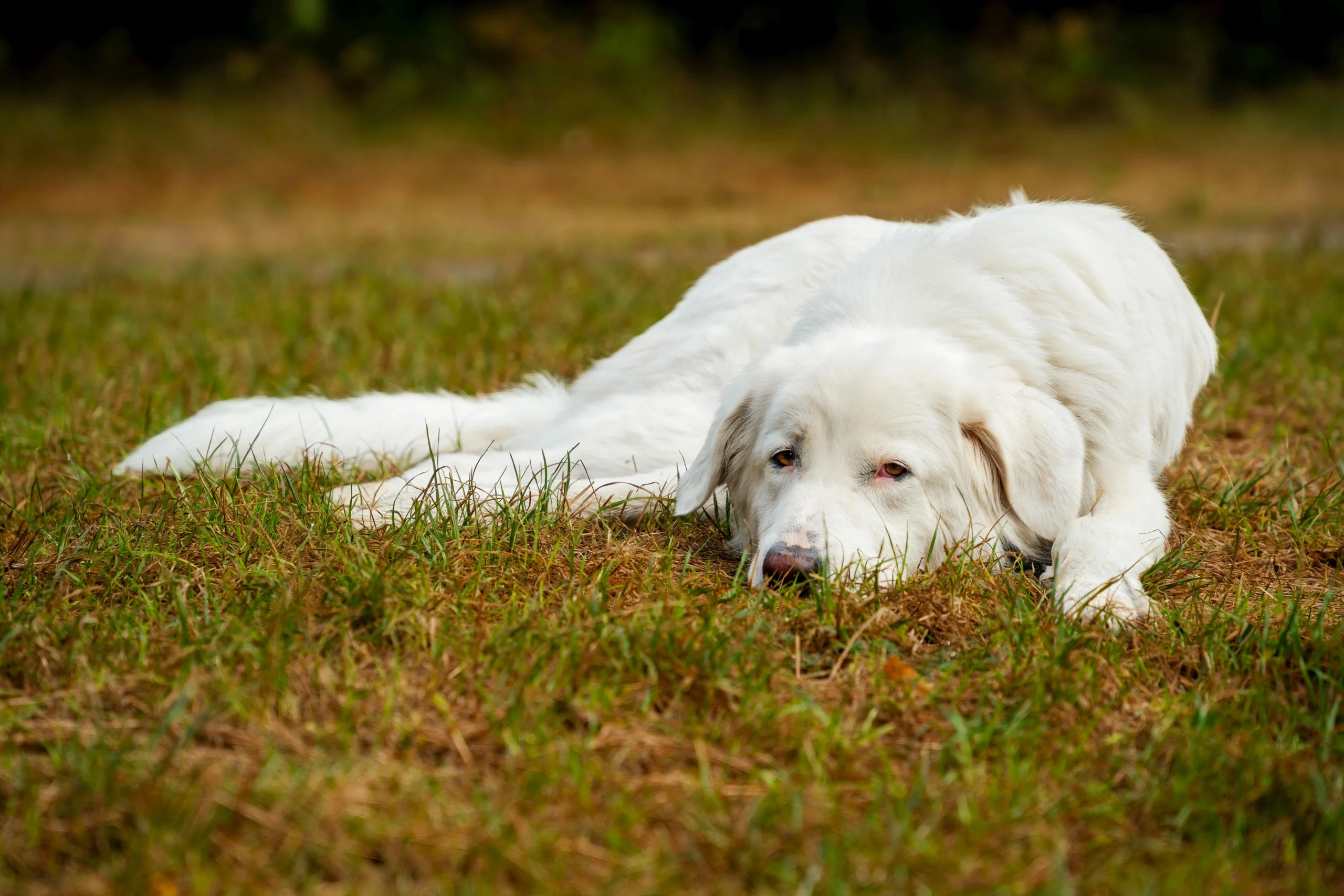
Senior Dog Vomiting But Acting Normal: When to Worry Checklist
If you’ve noticed your senior dog vomiting but acting normal, you’re probably feeling a mix of concern and confusion. After all, how can your furry companion seem perfectly fine one moment, then vomit the next, only to bounce back as if nothing happened? This puzzling scenario is more common than you might think among aging dogs, and understanding when it’s a minor issue versus a veterinary emergency can make all the difference in your pet’s health and your peace of mind.
In this comprehensive guide, we’ll walk you through everything you need to know about senior dog vomiting but acting normal, including warning signs, potential causes, and a practical checklist to help you determine when to call your vet.
Understanding Why Your Senior Dog Vomiting But Acting Normal
When you see your senior dog vomiting but acting normal, it’s natural to wonder what’s going on beneath the surface. Dogs, especially older ones, can experience occasional digestive upset without showing obvious signs of distress. But why does this happen?
The Aging Digestive System
As dogs age, their digestive systems undergo significant changes. The stomach lining becomes more sensitive, digestive enzymes may decrease in production, and the gut’s ability to process certain foods can diminish. These age-related changes mean that your senior dog vomiting but acting normal could simply be their body’s way of handling foods or substances they once tolerated easily.
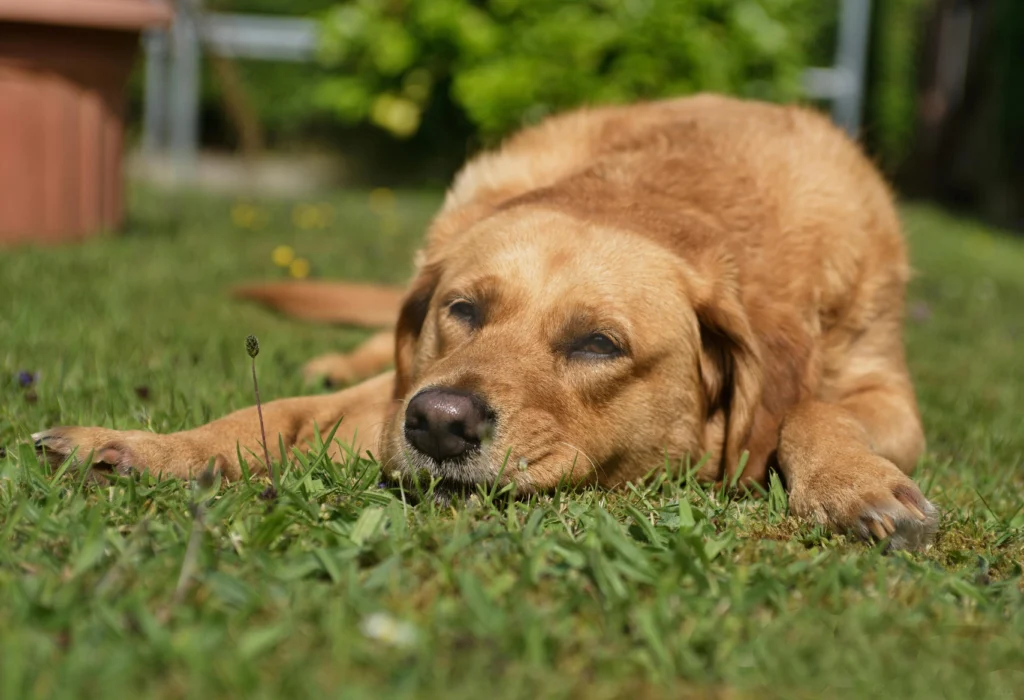
Common Triggers in Older Dogs
Senior dogs often experience vomiting episodes triggered by:
- Dietary indiscretion: Eating too quickly, consuming grass, or sneaking table scraps
- Medication side effects: Many senior dogs take medications that can irritate the stomach
- Mild food sensitivities: Aging digestive systems become more reactive to certain ingredients
- Empty stomach syndrome: Also called bilious vomiting syndrome, where bile irritates an empty stomach
- Hairballs: Yes, dogs can get these, too, especially longer-haired breeds
The key distinction with senior dog vomiting but acting normal is that your pet maintains their usual energy levels, appetite, and behavior between episodes.
Essential Products for Senior Dogs with Vomiting Issues
Feeding Solutions
- Slow Feeder Bowl – Prevents gulping and rapid eating
- Elevated Food/Water Bowls – Easier digestion, reduces strain
- Stainless Steel Bowls – Hygienic, easy to clean
Digestive Support
- High-Quality Senior Dog Food – Easily digestible formula
- Probiotics for Dogs – Supports gut health
- Pure Pumpkin Puree – Natural digestive aid (no pie filling)
- Bone Broth (Low Sodium) – Gentle nutrition and hydration
Health Monitoring
- Pet Scale – Track weight changes at home
- Pet Water Fountain – Encourages hydration
- Symptom Journal/App – Document episodes and patterns
Cleanup Essentials
- Enzymatic Cleaner – Removes stains and odors effectively
- Waterproof Pet Bed Liners – Protects sleeping areas
- Washable Area Rugs – Easy-to-clean floor protection
Comfort Items
- Orthopedic Dog Bed – Senior joint support
- Pet First Aid Kit – Emergency preparedness
Optional Supplements (Vet-Approved Only)
- Slippery Elm Powder – Soothes the digestive tract
- Digestive Enzymes – Aid food breakdown
- Ginger Supplements – Natural anti-nausea
💡 Important: Always consult your veterinarian before introducing supplements or making significant dietary changes.
When Senior Dog Vomiting But Acting Normal Becomes Concerning
While occasional vomiting might not warrant immediate panic, understanding the red flags is crucial for every senior dog parent. Let’s explore the warning signs that indicate your senior dog vomiting but acting normal needs professional evaluation.
Frequency Matters
A single vomiting episode followed by normal behavior might not be alarming. However, if your senior dog vomiting but acting normally more than once in 24 hours, or occurs regularly over several days, it’s time to consult your veterinarian. Chronic vomiting can lead to dehydration and may indicate underlying health conditions common in older dogs.
Hidden Symptoms to Watch For
Even when your senior dog vomiting but acting normal, it may be maintaining their usual demeanor; subtle changes can signal problems:
- Decreased water intake: Even slight reductions can indicate nausea
- Weight loss over time: Gradual weight changes are easy to miss, but significant
- Changes in appetite patterns: Eating slightly less or being pickier than usual
- Altered bathroom habits: Changes in urination or defecation frequency
- Subtle lethargy: Less enthusiasm for walks or play, even if still participating
The Complete Checklist: When to Worry About Senior Dog Vomiting But Acting Normal
Use this comprehensive checklist to assess your situation objectively. The more boxes you check, the more urgently you should seek veterinary care.
Immediate Veterinary Attention Required If:
- Vomit contains blood (red or coffee-ground appearance)
- Your senior dog vomiting but acting normal suddenly becomes lethargic or unresponsive
- The abdomen appears bloated, hard, or your dog shows signs of pain when touched
- Multiple vomiting episodes occur within a few hours
- Vomiting is accompanied by diarrhea, especially if bloody
- Your dog attempts to vomit, but nothing comes up (potential bloat emergency)
- Known ingestion of toxic substances or foreign objects
- Pale or yellow gums
- Difficulty breathing or excessive panting
Schedule Veterinary Appointment Within 24-48 Hours If:
- Senior dog vomiting but acting normal has occurred 2-3 times over 24 hours
- Vomiting episodes have been happening weekly or more frequently
- Your dog is on medication that might be causing stomach upset
- Noticeable decrease in appetite lasting more than a day
- Vomit has an unusual color, texture, or odor
- Your senior dog has pre-existing health conditions
- Weight loss has been gradual but noticeable
- Increased thirst or urination accompanies vomiting episodes
Monitor Closely at Home If:
- Single vomiting episode with complete return to normal behavior
- Vomit appears to be undigested food or grass
- Your dog maintains a normal appetite and energy
- No other symptoms are present
- The episode occurred after eating too quickly or drinking water rapidly
Common Causes of Senior Dog Vomiting But Acting Normal
Understanding the potential culprits behind your senior dog vomiting but acting normally helps you make informed decisions and communicate effectively with your veterinarian.
Age-Related Health Conditions
Kidney Disease: One of the most common causes of senior dog vomiting, but acting normal is early-stage chronic kidney disease. Dogs may vomit occasionally while still maintaining relatively normal behavior, especially in the beginning stages.
Liver Problems: Hepatic issues can cause intermittent vomiting without immediately affecting your dog’s overall demeanor. Senior dogs are particularly susceptible to liver function decline.
Pancreatitis: This inflammation of the pancreas can cause episodes that come and go. Some dogs with mild chronic pancreatitis show surprising resilience between flare-ups.
Gastrointestinal Tumors: While concerning, some GI cancers develop slowly, causing occasional vomiting before other symptoms appear. Early detection significantly improves treatment outcomes.
Medication-Related Vomiting
Many senior dogs take medications for arthritis, heart disease, or other age-related conditions. Non-steroidal anti-inflammatory drugs (NSAIDs), antibiotics, and certain supplements can irritate the stomach lining, leading to senior dog vomiting but acting normal between doses.
If you suspect medication is the culprit, never stop giving prescribed drugs without veterinary guidance. Your vet can adjust dosages, switch medications, or prescribe stomach protectants.
Dietary Factors
Senior dogs often develop food sensitivities they didn’t have in their younger years. Ingredients like certain proteins, grains, or even treats can trigger vomiting without causing obvious illness. Additionally, a senior dog vomiting but acting normal can result from:
- Eating too quickly, especially if competing with other pets
- Consuming grass or plants during outdoor time
- Getting into garbage or compost
- Receiving too many treats or table scraps
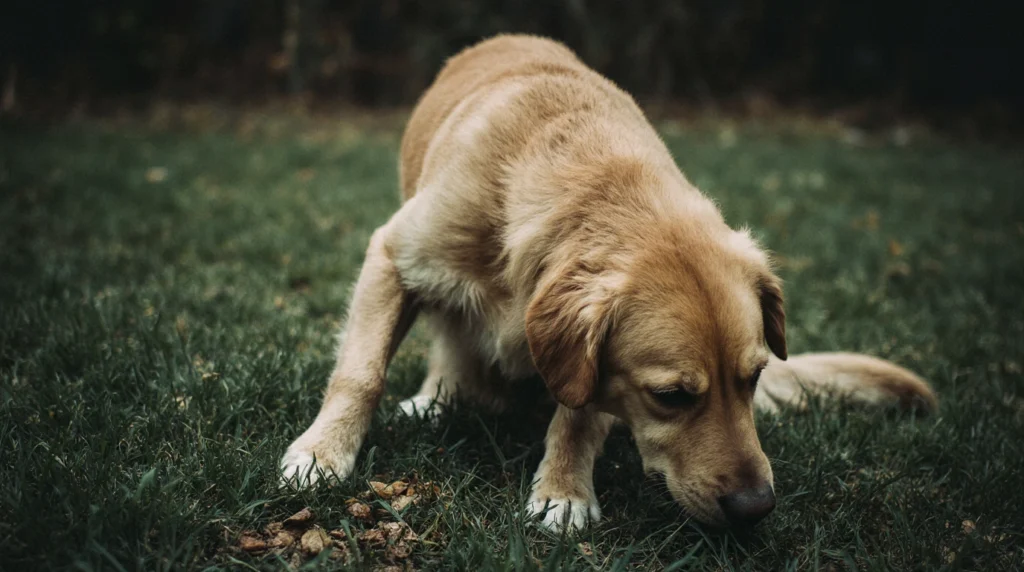
What to Do When You Notice Senior Dog Vomiting But Acting Normal
Taking the right steps immediately after a vomiting episode can prevent complications and provide valuable information for your veterinarian.
Immediate Actions
Document the Episode: Take photos of the vomit (yes, really!). Note the time, amount, color, and consistency. This information is incredibly valuable for diagnosis.
Withhold Food Temporarily: Give your senior dog’s stomach a 12-hour rest. For a senior dog vomiting but acting normal, this brief fast allows the digestive system to settle without causing harm.
Provide Small Amounts of Water: Offer ice cubes or small water portions every hour to prevent dehydration while avoiding overwhelming the stomach.
Monitor Closely: Watch for additional symptoms over the next 24 hours. Keep a written log of your observations.
Reintroduction of Food
After the fasting period, if your senior dog vomiting but acting normal, introduce food gradually:
- Start with small amounts of bland food (boiled chicken and rice, plain pumpkin)
- Feed several small meals rather than normal portions
- If tolerated for 24 hours, gradually mix in regular food over 3-4 days
- Continue monitoring for any recurrence
When to Break the Rules
If your senior dog seems distressed, extremely thirsty, or shows any emergency signs from our checklist, skip the wait-and-see approach and contact your vet immediately. Trust your instincts—you know your dog better than anyone.
Diagnostic Tests Your Vet May Recommend
When you bring your senior dog vomiting but acting normal to the veterinarian, expect a thorough evaluation. Understanding potential tests helps you prepare both emotionally and financially.
Initial Assessment
Your vet will perform a physical examination, checking for:
- Dehydration levels
- Abdominal pain or abnormalities
- Gum color and capillary refill time
- Body condition and weight changes
- Temperature and vital signs
Common Diagnostic Tests
Blood Work: Complete blood count (CBC) and chemistry panel reveal kidney function, liver values, electrolyte balance, and signs of infection or inflammation. These tests are essential for senior dog vomiting but acting normally cases.
Urinalysis: Provides additional kidney function information and can detect urinary tract issues that sometimes manifest as vomiting.
X-rays: Abdominal radiographs can identify foreign objects, organ abnormalities, tumors, or structural problems.
Ultrasound: Offers detailed imaging of abdominal organs, helping diagnose conditions like pancreatitis, liver disease, or GI issues.
Endoscopy: For persistent cases of senior dog vomiting but acting normal, this procedure allows direct visualization of the esophagus, stomach, and upper intestines, with biopsy capabilities.
Prevention Strategies for Senior Dog Vomiting But Acting Normal
While you can’t prevent all causes of vomiting, these strategies significantly reduce episodes and support your senior dog’s digestive health.
Dietary Optimization
Feed High-Quality Senior Food: Age-appropriate diets contain easily digestible proteins and adjusted fat levels that suit aging digestive systems.
Implement Slow Feeding Methods: Use puzzle feeders or slow-feed bowls to prevent gulping, a common trigger for senior dog vomiting, but acting normal.
Maintain Consistent Meal Times: Regular feeding schedules help regulate digestion and prevent empty-stomach vomiting.
Consider Smaller, More Frequent Meals: Three to four small meals daily often work better than two large ones for senior dogs.
Environmental Management
Supervise Outdoor Time: Prevent grass-eating binges and ingestion of unknown substances.
Secure Garbage and Compost: Senior dogs sometimes become less discriminating about what they eat.
Manage Stress: Changes in routine, new pets, or household stress can trigger digestive upset in sensitive senior dogs.
Regular Veterinary Care
Annual or biannual wellness exams for senior dogs can catch problems early. Baseline blood work helps your vet detect trends before your senior dog vomiting but acting normal becomes a chronic issue.
Natural Remedies and Supportive Care
Always consult your veterinarian before trying supplements or remedies, but these approaches often help manage senior dog vomiting and acting normal:
Probiotics and Digestive Enzymes
High-quality probiotics support healthy gut bacteria, while digestive enzymes aid in breaking down food. Both can reduce vomiting frequency in dogs with digestive sensitivities.
Ginger and Pumpkin
Small amounts of fresh ginger (vet-approved dosage) have natural anti-nausea properties. Pure pumpkin puree (not pie filling) provides soluble fiber that soothes the digestive tract.
Slippery Elm
This herbal remedy coats and protects the digestive tract lining. Mix the powder with water to create a gel, and give before meals as directed by your veterinarian.
Bone Broth
Homemade bone broth (no onions, garlic, or excessive salt) provides easily digestible nutrients and helps maintain hydration while being gentle on the stomach.
Living with a Senior Dog Prone to Vomiting
If your senior dog vomiting but acting normally and becomes an ongoing management issue despite veterinary care, these lifestyle adjustments improve quality of life:
Create a Vomit Station
Keep cleaning supplies easily accessible in a designated spot. Include enzymatic cleaners, paper towels, rubber gloves, and plastic bags.
Protect Your Floors
Use washable rugs in areas where your dog spends the most time. Consider waterproof mattress protectors for their bed.
Maintain Detailed Records
Track vomiting episodes, potential triggers, diet changes, and medication schedules. Patterns often emerge that help you and your vet manage the condition more effectively.
Build a Support Network
Connect with other senior dog parents through online forums or local groups. Sharing experiences and tips provides both practical help and emotional support.
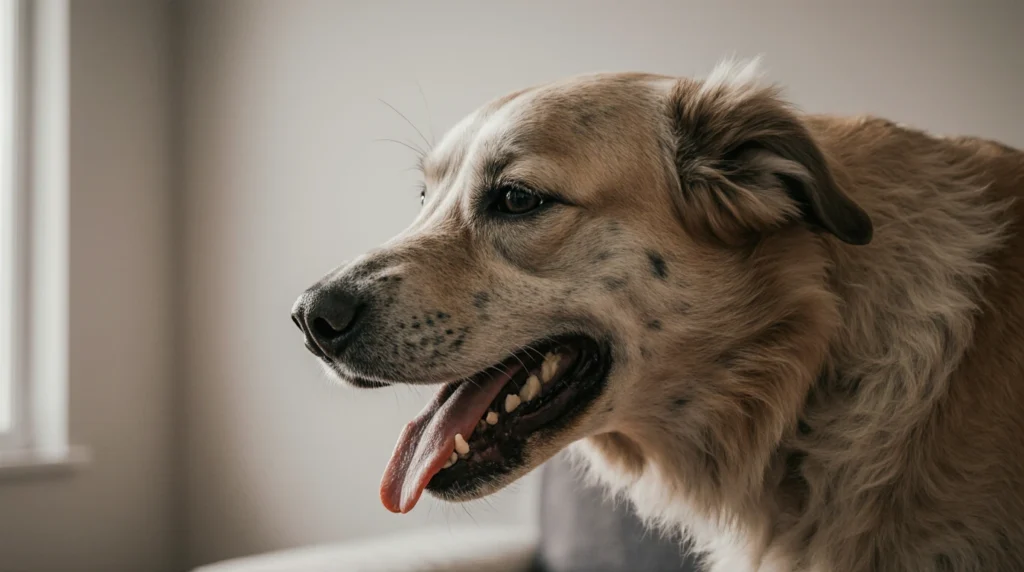
The Emotional Side of Caring for a Senior Dog
Watching your senior dog vomiting but acting normal takes an emotional toll. Acknowledge these feelings while maintaining perspective:
Guilt is Normal: Many pet parents feel guilty when their dog gets sick, but you’re doing your best.
Vigilance vs. Anxiety: Find balance between being attentive and becoming overly worried about every small change.
Quality of Life Focus: Remember that senior dogs can live comfortably with managed chronic conditions.
Celebrate Good Days: Don’t let health concerns overshadow the joy your senior dog brings to your life.
Conclusion
Discovering your senior dog vomiting but acting normal can be alarming, but armed with knowledge, you’re better equipped to respond appropriately. Remember that occasional vomiting doesn’t automatically signal a crisis, but patterns, frequency, and accompanying symptoms should never be ignored.
Use the checklist provided to assess each situation objectively. When in doubt, err on the side of caution and consult your veterinarian. Early detection of underlying conditions dramatically improves outcomes, and your senior dog deserves the best care possible in their golden years.
Your vigilance, combined with regular veterinary care and the strategies outlined here, will help ensure your beloved companion enjoys maximum comfort and quality time with you. Every moment with your senior dog is precious—don’t let worry steal your joy, but stay informed and proactive about their health.
Frequently Asked Questions About Senior Dog Vomiting But Acting Normal
Q: How many times can a senior dog vomit before I should worry?
A: If your senior dog vomiting but acting normally more than once in 24 hours, or becomes a pattern happening weekly or more frequently, veterinary evaluation is recommended. A single episode followed by complete recovery typically doesn’t require immediate concern, but document it and monitor closely.
Q: Can senior dog vomiting be a sign of kidney disease even if my dog seems fine otherwise?
A: Yes, absolutely. Early-stage chronic kidney disease is a common cause of senior dog vomiting, but acting normally. Dogs are remarkably good at hiding illness, and intermittent vomiting may be the only initial symptom. Regular blood work helps catch kidney issues early when treatment is most effective.
Q: Should I change my senior dog’s food if they’re vomiting occasionally?
A: Not immediately. First, consult your veterinarian to rule out medical causes. If diagnostics are normal, your vet may recommend a diet trial with a limited ingredient or easily digestible senior formula. Always transition foods gradually over 7-10 days to avoid additional digestive upset.
Q: Is it normal for senior dogs to vomit bile in the morning?
A: Morning bile vomiting (bilious vomiting syndrome) occurs when stomach acid irritates an empty stomach overnight. While relatively common in senior dogs, it’s not “normal” and can be managed by feeding a small meal before bedtime or adjusting feeding schedules. Discuss this with your vet, as it can also indicate other conditions.
Q: What’s the difference between vomiting and regurgitation in senior dogs?
A: Vomiting involves active abdominal contraction and brings up digested food mixed with bile. Regurgitation is passive, producing undigested food in a tubular shape shortly after eating. Both need veterinary evaluation, but regurgitation suggests esophageal issues while vomiting indicates stomach or systemic problems.
Q: Can anxiety cause a senior dog vomiting but acting normally?
A: Yes, stress and anxiety can trigger vomiting in dogs of any age. Senior dogs may become more sensitive to changes in routine, new environments, or household stress. If you suspect anxiety-related vomiting, discuss behavioral management and possibly anti-anxiety medications with your veterinarian.
Q: How long should I wait before taking my senior dog to the vet for vomiting?
A: Use the checklist provided in this article. Emergency signs (blood in vomit, bloat symptoms, repeated episodes) require immediate care. Non-emergency but concerning patterns (weekly vomiting, weight loss, decreased appetite) warrant an appointment within 24-48 hours. Isolated episodes with full recovery can be monitored at home, but documented for your vet.
Q: Are certain senior dog breeds more prone to vomiting?
A: Deep-chested breeds (Great Danes, German Shepherds, Standard Poodles) have higher bloat risks. Small breeds may be more prone to bilious vomiting syndrome. Brachycephalic breeds (Bulldogs, Pugs) can have regurgitation issues. However, a senior dog vomiting but acting normal can affect any breed and usually relates more to individual health conditions than breed predisposition.
Q: Can I give my senior dog Pepto-Bismol or other human medications for vomiting?
A: Never give human medications without veterinary approval. Pepto-Bismol contains salicylates (aspirin-like compounds) that can be dangerous for dogs, especially those on other medications. Some human antacids are occasionally recommended by vets in specific situations, but always get professional guidance first.
Q: What does the color of vomit tell me about my senior dog’s condition?
A: Yellow or greenish vomit indicates bile. White, foamy vomit suggests an empty stomach or respiratory issues. Brown vomit may indicate digested blood (emergency). Red vomit means fresh blood (emergency). Clear liquid might be water or saliva. While color provides clues, never diagnose based solely on appearance; always consider frequency, accompanying symptoms, and your dog’s overall behavior.
Disclaimer: This article provides educational information about senior dog health, but does not replace professional veterinary advice. Always consult with your veterinarian regarding your individual pet’s health concerns and treatment options.