Old Cat Meowing All the Time: Cognitive Decline vs Pain Signals
If you’re experiencing an old cat meowing all the time, you’re not alone in your concern. Excessive vocalization in senior cats affects approximately 35-50% of felines over the age of 10, and understanding whether your aging companion is experiencing cognitive decline or signaling pain can make the difference between comfort and suffering.
This comprehensive guide will help you decode your elderly cat’s constant meowing, distinguish between age-related cognitive dysfunction and pain-related vocalizations, and provide actionable solutions to improve your senior cat’s quality of life.
Understanding Why Your Old Cat Is Meowing All The Time
When an old cat meowing all the time becomes part of your daily reality, pet parents often feel confused and helpless. The persistent vocalization that disrupts your sleep and daily routine isn’t just annoying; it’s your cat’s primary method of communicating distress, discomfort, or confusion.
Senior cats, typically defined as those over 11 years old, undergo significant physiological and neurological changes. These changes directly impact their behavior, including vocalization patterns. Research indicates that cats over 15 years old have a 50% chance of developing some form of cognitive dysfunction syndrome (CDS), which frequently manifests as increased vocalization. Understanding why an old cat meowing all the time starts with recognizing these age-related transformations.
The meowing serves multiple purposes: attention-seeking, expressing disorientation, signaling physical discomfort, or responding to sensory decline. Understanding the root cause requires careful observation of when, where, and how your cat vocalizes.
The Science Behind Excessive Meowing in Elderly Cats
Neurological studies on feline aging reveal that senior cats experience measurable changes in brain structure, including decreased brain volume and protein deposits similar to those found in human Alzheimer’s patients. These changes affect memory, spatial awareness, and the sleep-wake cycle, all factors that contribute to an old cat meowing all the time.
Additionally, age-related hearing loss can cause cats to meow louder because they can’t hear themselves properly. This creates a feedback loop where the cat becomes increasingly vocal without realizing the volume intensity. When your old cat meowing all the time, hearing impairment may be intensifying what starts as normal communication attempts.
Cognitive Dysfunction Syndrome: When Mental Decline Causes Meowing
Cognitive Dysfunction Syndrome (CDS) is the feline equivalent of dementia or Alzheimer’s disease in humans. Approximately 28% of cats aged 11-14 show at least one sign of CDS, whereas this figure jumps to over 50% in cats aged 15 years or older.
Key Signs Your Old Cat’s Meowing Stems From Cognitive Decline
When an old cat meowing all the time due to cognitive dysfunction, you’ll typically observe a constellation of behavioral changes:
Disorientation and Confusion: Your cat may meow while standing in corners, staring at walls, or appearing lost in familiar spaces. This vocalization often sounds plaintive or confused, occurring most frequently during nighttime hours when sensory input is reduced. If your old cat meowing all the time with a confused, questioning tone, cognitive issues are likely at play.
Altered Sleep-Wake Cycles: CDS disrupts circadian rhythms, causing cats to sleep during the day and become active and vocal at night. If your old cat meowing all the time between 2 AM and 5 AM, cognitive decline is a strong possibility.
Decreased Interaction: Cats with CDS may meow excessively while simultaneously showing reduced interest in family members, failing to recognize familiar people, or appearing anxious when approached.
House-Soiling Accidents: When combined with excessive vocalization, inappropriate elimination suggests your senior cat has forgotten the litter box location or proper toileting behaviors.
The DISHA Acronym: Veterinary professionals use this memory tool to identify CDS:
- Disorientation
- Interaction changes
- Sleep-wake cycle alterations
- House-soiling
- Activity level changes
Neurological Changes Behind CDS-Related Meowing
The pathophysiology of feline cognitive dysfunction involves beta-amyloid protein accumulation in the brain, oxidative damage to neurons, and reduced cerebral blood flow. These changes impair neurotransmitter function, particularly dopamine and serotonin, which regulate mood and vocalization behaviors.
When your old cat meowing all the time seems to have no clear trigger or pattern, the brain’s compromised state may be preventing proper processing of environmental cues, creating a state of perpetual confusion that the cat expresses through vocalization. This neurological basis explains why an old cat meowing all the time with CDS may not respond to simple reassurance or distraction techniques.
Pain Signals: When Physical Discomfort Drives Constant Meowing
While cognitive decline causes vocalization through confusion, pain-related meowing has a distinctly different quality and pattern. Studies show that chronic pain affects 60-90% of cats over the age of 12, yet it remains significantly underdiagnosed because cats instinctively hide pain.
How to Identify Pain-Related Vocalization in Your Senior Cat
When an old cat meowing all the time due to pain, the vocalizations often occur during specific activities or situations:
Movement-Triggered Meowing: If your cat vocalizes when jumping, climbing stairs, or changing positions, this strongly suggests arthritis or musculoskeletal pain. Osteoarthritis affects an estimated 90% of cats over 12 years old to some degree.
Litter Box Vocalization: Crying before, during, or after using the litter box indicates urinary tract issues, constipation, or painful arthritis when squatting. Kidney disease, affecting approximately 30-40% of senior cats, often causes painful urination.
Touch-Sensitive Responses: An old cat meowing all the time when touched in specific areas (spine, abdomen, joints) is communicating localized pain. This differs from confusion-based meowing, which occurs without physical triggers.
Pain-Related Body Language: Unlike CDS meowing, pain vocalization accompanies physical signs:
- Flattened ears
- Dilated pupils
- Tense body posture
- Reduced grooming
- Decreased appetite
- Aggression when approached
Common Pain Conditions in Senior Cats
Osteoarthritis: The most prevalent pain condition in elderly cats, causing inflammation and deterioration of joint cartilage. Cats with arthritis may meow when attempting to access elevated surfaces, move from resting positions, or navigate stairs.
Dental Disease: Periodontal disease affects up to 85% of cats over three years old, with severity increasing with age. Painful teeth, inflamed gums, or oral tumors can cause constant vocalization, especially around mealtime.
Hyperthyroidism: This hormone disorder affects 10% of senior cats and causes weight loss, increased appetite, vocalization, and restlessness. The metabolic dysregulation creates physical discomfort that cats express through meowing.
Chronic Kidney Disease: Progressive kidney failure causes nausea, dehydration, and uremic poisoning that creates systemic discomfort. An old cat meowing all the time with increased thirst and urination should be evaluated for kidney disease immediately.
Distinguishing Between Cognitive Decline and Pain: A Comparison Framework
Understanding whether an old cat meowing all the time is due to cognitive issues or physical pain requires systematic observation. Here’s how to differentiate:
Timing and Pattern Analysis
Cognitive Decline Meowing:
- Intensifies at night (sundowning effect)
- Random, without apparent triggers
- Often accompanied by wandering
- May include yowling or wailing sounds
Pain-Related Meowing:
- Correlates with specific activities
- Occurs when moving, eating, or eliminating
- May be suppressed when cat is resting
- Often sharper, more urgent in tone
Behavioral Context
An old cat meowing all the time due to CDS exhibits confusion and disorientation as primary features, while pain-driven vocalization occurs alongside altered movement patterns, protective behaviors, and position changes.
Response to Intervention
Cognitive meowing may temporarily decrease with reassurance or environmental enrichment, while pain vocalization typically only improves with analgesic treatment or removal of the painful stimulus.
Veterinary Diagnostic Approach
Professional evaluation includes:
- Complete physical examination with pain palpation
- Blood work (complete blood count, chemistry panel, thyroid levels)
- Urinalysis for kidney and bladder issues
- Blood pressure measurement
- Radiographs or ultrasound for arthritis and organ assessment
- Cognitive function questionnaires for CDS scoring
Management Strategies When Your Old Cat Meows All The Time
Regardless of the underlying cause, several evidence-based interventions can reduce excessive vocalization and improve your senior cat’s well-being.
For Cognitive Dysfunction-Related Meowing
Environmental Enrichment: Create a cognitively stimulating environment with:
- Puzzle feeders that encourage problem-solving
- Regular interactive play sessions (even brief ones)
- Novel scents and textures to explore
- Consistent daily routines to reduce confusion
Nutritional Support: Prescription diets containing antioxidants, omega-3 fatty acids, and medium-chain triglycerides have shown clinical benefits. Studies demonstrate that specific nutrients can slow CDS progression and reduce associated behaviors like excessive meowing.
Medication Options: Your veterinarian may prescribe:
- Selegiline (Anipryl): FDA-approved for canine CDS, used off-label for cats
- Anti-anxiety medications for nighttime vocalization
- Melatonin supplements to regulate sleep-wake cycles
Night-Time Management: Since old cats meowing all the time, especially at night, with CDS:
- Increase daytime activity to promote nighttime sleep
- Provide nightlights to reduce disorientation
- Consider pheromone diffusers (Feliway) for calming effects
- Establish a pre-bedtime routine
For Pain-Related Meowing
Multimodal Pain Management: Effective pain control requires multiple approaches:
- NSAIDs (Onsior, Metacam) for inflammatory pain use cautiously with kidney monitoring
- Opioid medications for severe pain
- Gabapentin for neuropathic pain
- Joint supplements (glucosamine, chondroitin)
Environmental Modifications: Reduce pain-triggering situations:
- Provide ramps or steps to elevated surfaces
- Use shallow litter boxes with low entries
- Offer orthopedic beds with memory foam
- Maintain consistent ambient temperature
- Place food, water, and litter boxes close together
Physical Therapy Options: Emerging treatments showing promise:
- Laser therapy for arthritis pain
- Acupuncture for chronic pain conditions
- Gentle massage and passive range-of-motion exercises
- Weight management to reduce joint stress
Dental Care: If your old cat meows all the time due to oral pain:
- Professional dental cleaning under anesthesia
- Tooth extractions if necessary
- Pain management during recovery
- Soft food diets during treatment
Hybrid Cases: When Both Conditions Coexist
Clinical reality often presents complex cases where an old cat meowing all the time experiences both cognitive decline and physical pain simultaneously. Research indicates significant overlap between CDS and chronic pain conditions in senior cats.
This dual diagnosis requires comprehensive treatment addressing both neurological and physical components. Your cat may need both cognitive support supplements and pain medication, along with environmental modifications that address confusion and mobility limitations.
When to Seek Veterinary Care Immediately
While an old cat meowing all the time often represents chronic conditions, certain red flags require urgent veterinary attention:
- Sudden onset of intense, continuous vocalization
- Meowing accompanied by difficulty breathing
- Vocalization with inability to stand or walk
- Signs of severe pain (yowling, aggression, hiding)
- Meowing with apparent seizure activity
- Complete loss of appetite or water intake
- Vocalization with dilated pupils and abnormal gait
These symptoms may indicate acute crises like blood clots, severe hyperthyroidism, hypertensive emergencies, or acute pain episodes requiring immediate intervention.
Quality of Life Assessment for Cats With Chronic Meowing
When your old cat meowing all the time despite interventions, regularly assess the quality of life using validated tools:
The Five Freedoms Framework:
- Freedom from hunger and thirst
- Freedom from discomfort
- Freedom from pain, injury, or disease
- Freedom to express normal behavior
- Freedom from fear and distress
Veterinary professionals often use the HHHHHMM Quality of Life Scale, evaluating:
- Hurt (pain level)
- Hunger
- Hydration
- Hygiene
- Happiness
- Mobility
- More good days than bad days
Honest quality of life discussions with your veterinarian help determine whether treatment modifications are needed or if humane euthanasia should be considered.
Preventive Measures and Long-Term Management
While you cannot prevent all causes of an old cat meowing all the time, proactive senior care reduces risk and severity:
Regular Veterinary Checkups: Senior cats should receive examinations every 6 months, allowing early detection of treatable conditions.
Proactive Pain Management: Don’t wait for obvious pain signals. Discuss pain assessment and preventive joint supplements with your veterinarian once your cat reaches senior status.
Cognitive Enrichment Throughout Life: Mental stimulation throughout adulthood may delay CDS onset. Continue play, training, and environmental enrichment into the senior years.
Weight Management: Obesity exacerbates arthritis and complicates medical treatment. Maintaining ideal body condition throughout life protects joint health.
Dental Preventive Care: Regular dental cleanings prevent painful oral disease that contributes to senior cat vocalization.
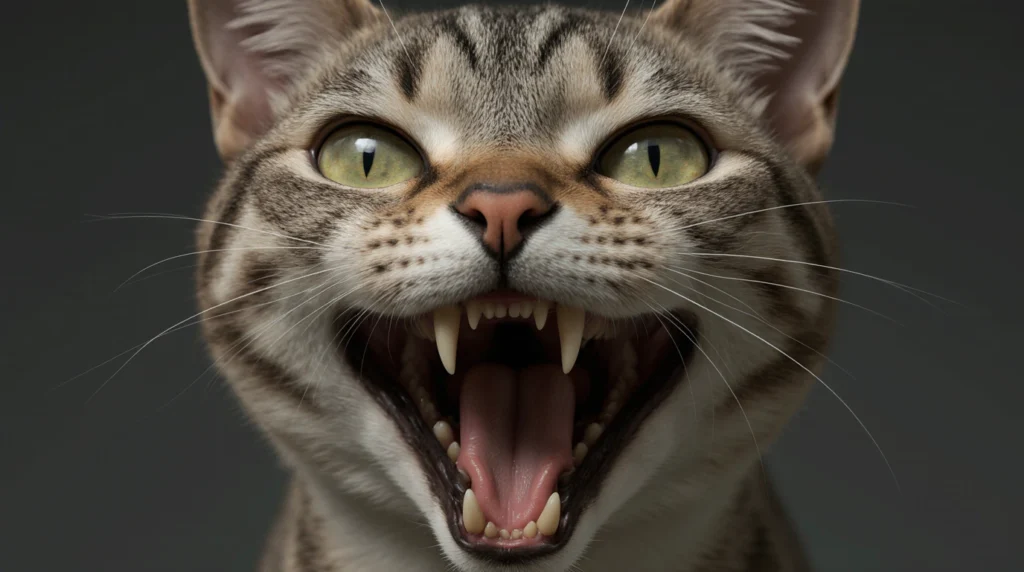
Conclusion: Understanding Your Old Cat’s Constant Meowing
When an old cat meowing all the time, it’s never “just old age,” it’s a meaningful communication that deserves investigation and intervention. Whether the underlying cause is cognitive dysfunction syndrome, physical pain, or a combination of both, effective treatments and management strategies can dramatically improve your senior cat’s comfort and quality of life.
The key to helping your constantly vocalizing elderly cat lies in:
- Systematic observation of vocalization patterns
- Comprehensive veterinary evaluation
- Accurate diagnosis distinguishing cognitive and pain components
- Multimodal treatment addressing identified causes
- Regular reassessment and treatment adjustment
Remember that an old cat meowing all the time is working hard to tell you something important. With patience, proper medical care, and environmental modifications, you can decode your cat’s message and provide the comfort they deserve in their golden years.
Your senior cat has spent years as a beloved companion. Now it’s your turn to be their advocate, ensuring that their twilight years are filled with comfort, dignity, and appropriate care tailored to their changing needs.
Essential Products for Old Cats Meowing All The Time
For Cognitive Dysfunction Support
- Cognitive Support Supplements
- Senilife (phosphatidylserine & Ginkgo biloba)
- Neutricks (apoaequorin for brain health)
- Omega-3 fatty acid supplements
- Prescription Cognitive Diets
- Hill’s Prescription Diet b/d
- Purina Pro Plan Veterinary Diets NC NeuroCare
- Royal Canin Mature Consult
- Calming & Sleep Aids
- Environmental Enrichment
- LED nightlights for disorientation
- Interactive puzzle feeders
- Motion-activated toys
For Pain Management & Comfort
- Joint Support Supplements
- Cosequin for Cats (glucosamine & chondroitin)
- Dasuquin Advanced Formula
- Liquid glucosamine for easy administration
- Orthopedic Comfort Products
- Mobility Aids
- Pain Relief Tools
For General Senior Cat Care
- Hydration & Nutrition
- Cat water fountain (encourages drinking)
- Elevated food bowls (reduces neck strain)
- Wet food/pâté for dental issues
- Hygiene & Grooming
- Monitoring Tools
Veterinary-Prescribed Items
(Require vet consultation)
- Pain medications: Gabapentin, Onsior, Meloxicam
- Anti-anxiety medications: Fluoxetine, Trazodone
- CDS medications: Selegiline (Anipryl)
💡 Pro Tip: Always consult your veterinarian before starting any supplements or medications. What works depends on whether your old cat meowing all the time has cognitive issues, pain, or both!
Frequently Asked Questions
Q: Why does my old cat meowing all the time at night but is quiet during the day?
A: Nighttime meowing in senior cats typically indicates cognitive dysfunction syndrome (CDS), which disrupts the normal sleep-wake cycle, a phenomenon called “sundowning.” Reduced sensory input at night increases confusion and disorientation, prompting vocalization. This differs from pain-related meowing, which occurs during specific activities regardless of time. Treatment includes increasing daytime activity, providing nightlights, maintaining consistent bedtime routines, and consulting your veterinarian about sleep-regulating supplements or medications.
Q: Can my old cat’s constant meowing be completely cured?
A: Complete elimination of vocalization is rarely achievable when an old cat meowing all the time due to age-related conditions. However, a significant improvement (50-70% reduction) is realistic with proper diagnosis and multimodal treatment. Cognitive dysfunction and chronic pain are progressive conditions requiring ongoing management rather than one-time cures. The goal is maximizing comfort and quality of life while reducing distress-related vocalization through medications, environmental modifications, and supportive care.
Q: How quickly should I see improvement after starting treatment for my meowing old cat?
A: Response timelines vary by underlying cause. Pain medications (NSAIDs, gabapentin) often show effects within 3-7 days. Cognitive support supplements require 4-6 weeks for noticeable improvement. Anxiety medications may work within days to weeks. If your old cat meowing all the time after 4-6 weeks of treatment, reassessment and treatment adjustment are necessary. Document vocalization frequency and timing to objectively track progress.
Q: Is euthanasia ever appropriate for an old cat that meows constantly?
A: Euthanasia becomes an appropriate consideration when an old cat meowing all the time has exhausted treatment options, experiences poor quality of life despite maximal medical management, or has advanced disease causing suffering that cannot be adequately controlled. This difficult decision should be made in consultation with your veterinarian using validated quality of life assessment tools, considering whether your cat experiences more good days than bad, maintains interest in surroundings, and retains basic life pleasures like eating and comfortable rest.
Q: Can I give my old cat over-the-counter pain medication when they meow constantly?
A: Never give human pain medications to cats without veterinary supervision; many are toxic or fatal to felines. Acetaminophen (Tylenol) is deadly to cats even in small doses. Ibuprofen and aspirin cause severe gastrointestinal and kidney damage. When your old cat meowing all the time and you suspect pain, consult your veterinarian for appropriate feline-safe pain medications. Veterinarians can prescribe FDA-approved NSAIDs, opioids, or gabapentin specifically formulated and dosed for cats.
Q: Does diet change help reduce excessive meowing in senior cats?
A: Therapeutic diets can significantly impact vocalization depending on the cause. Prescription cognitive support diets (Hill’s b/d, Purina Pro Plan Bright Mind) contain antioxidants and medium-chain fatty acids that support brain health in cats with CDS. Joint support diets with omega-3 fatty acids and glucosamine may reduce arthritis-related pain vocalization. Kidney support diets improve comfort in cats with renal disease. If your old cat meows all the time, discuss whether a therapeutic diet might address underlying conditions contributing to vocalization.
Q: How can I tell if my old cat’s meowing is urgent or if it can wait until regular vet hours?
A: Seek emergency veterinary care if meowing is accompanied by: difficulty breathing, inability to walk or stand, signs of severe pain (yowling, hiding, aggression), seizure activity, dilated pupils with disorientation, or complete food and water refusal. If your old cat meowing all the time with a gradual onset over weeks to months without emergency signs, schedule a comprehensive senior examination during regular hours. When in doubt, call your veterinarian or emergency clinic for phone triage guidance. They can help determine urgency based on your cat’s specific symptoms.