Old Dog Sleeping All Day: When to Worry vs Normal Aging
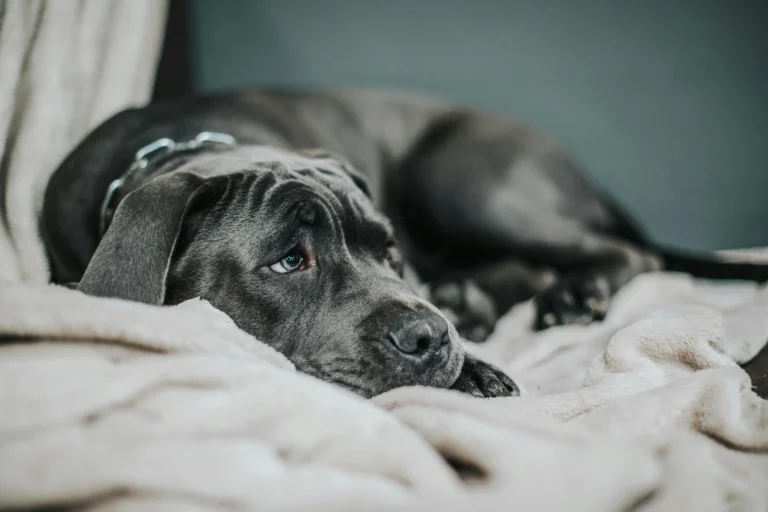
If you’ve noticed your beloved senior canine companion snoozing more than usual, you’re not alone. Many pet parents find themselves wondering whether their old dog sleeping all day is simply a natural part of the aging process or a red flag signaling an underlying health concern. Understanding the difference between normal age-related changes and potential medical issues is crucial for ensuring your furry friend enjoys their golden years comfortably and healthily.
In this comprehensive guide, we’ll explore everything you need to know about elderly canine sleep patterns, when increased drowsiness becomes concerning, and actionable steps you can take to support your aging companion’s wellbeing.
Understanding Normal Sleep Patterns in Senior Dogs
How Much Sleep Do Older Dogs Actually Need?
Before you panic about your old dog sleeping all day, it’s important to establish what “normal” looks like for aging canines. While adult dogs typically sleep between 12-14 hours per day, senior dogs often require significantly more rest, anywhere from 16-20 hours daily.
This increased sleep requirement isn’t laziness; it’s biology. As dogs age, their bodies work harder to maintain basic functions, requiring more recovery time. Their metabolism slows, energy levels decrease, and they simply need more downtime to recharge their aging systems.
Age-Related Sleep Breakdown:
- Adult dogs (1-7 years): 12-14 hours per day
- Senior dogs (7-10 years): 14-16 hours per day
- Geriatric dogs (10+ years): 16-20 hours per day
Why Senior Dogs Sleep More: The Science Behind It
When your old dog sleeping all day becomes your new reality, understanding the physiological reasons can provide peace of mind. Several factors contribute to increased sleep in aging canines:
Decreased Energy Production: Older dogs experience mitochondrial changes that reduce cellular energy production. Simply put, their biological batteries don’t hold a charge like they used to, necessitating frequent recharging through sleep.
Cognitive Changes: Canine Cognitive Dysfunction (similar to dementia in humans) affects up to 68% of dogs over 15 years old. This condition disrupts sleep-wake cycles, often causing dogs to sleep more during the day while experiencing restlessness at night.
Reduced Activity Requirements: Senior dogs naturally become less active. Their joints may be stiff, their stamina diminished, and their interest in high-energy activities reduced. This lifestyle shift means less energy expenditure and, consequently, more sleep time.
Healing and Recovery: Aging bodies require more time to repair cellular damage and maintain organ function. Sleep becomes the body’s primary opportunity for these essential maintenance processes.
When Your Old Dog Sleeping All Day Becomes a Concern
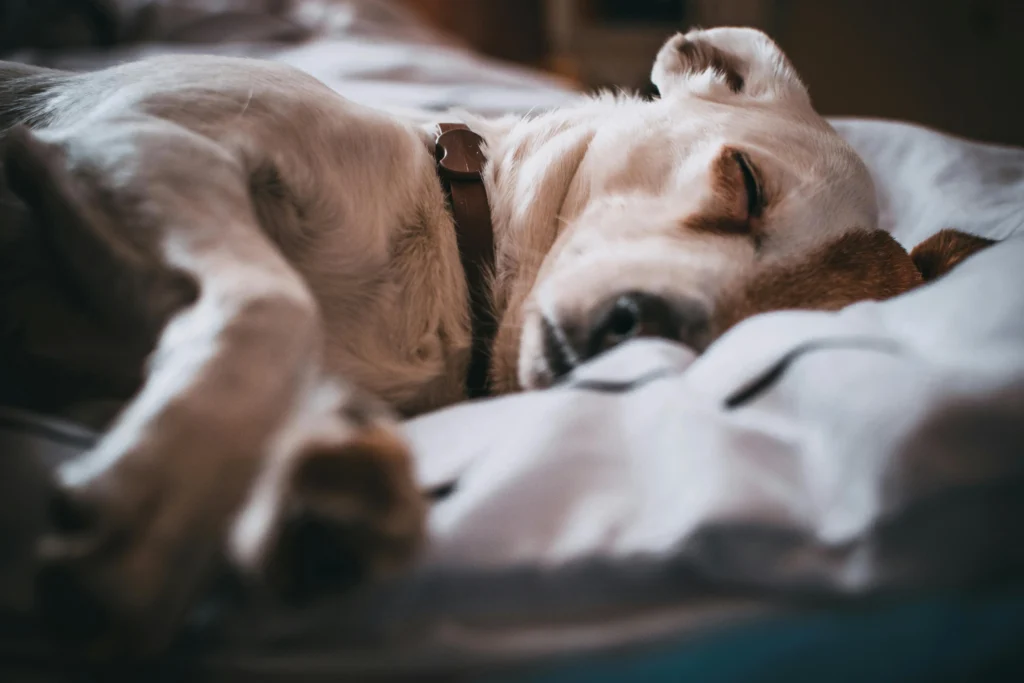
While increased sleep is expected in senior dogs, certain signs indicate that your old dog sleeping all day might signal something more serious requiring veterinary attention.
Red Flags That Require Immediate Veterinary Evaluation
Sudden Changes in Sleep Patterns: If your previously active senior dog suddenly begins sleeping excessively within a short timeframe (days to weeks), this abrupt change warrants investigation. Gradual increases over months are more typical of normal aging.
Difficulty Waking or Lethargy When Awake: An old dog sleeping all day who also seems disoriented, unresponsive, or extremely lethargic when awake may be experiencing a medical emergency. Normal senior dogs should still be alert and engaged during waking hours, even if those hours are fewer.
Accompanying Symptoms to Watch For:
- Loss of appetite or refusing favorite foods
- Excessive thirst or changes in urination patterns
- Unexplained weight loss or gain
- Vomiting, diarrhea, or constipation
- Labored breathing or coughing
- Visible pain signals (whimpering, reluctance to move, aggression when touched)
- Disorientation or confusion beyond typical cognitive decline
- Seizures or tremors
Medical Conditions That Cause Excessive Sleeping
Several health conditions can transform your old dog sleeping all day from a normal aging process into a symptom requiring treatment:
Hypothyroidism: This common endocrine disorder, affecting approximately 1 in 500 dogs, slows metabolism dramatically. Beyond excessive sleep, symptoms include weight gain, hair loss, and cold intolerance.
Diabetes: Canine diabetes disrupts energy regulation, causing lethargy and increased sleep. Your old dog sleeping all day, paired with increased thirst and urination, strongly suggests diabetes.
Heart Disease: Cardiovascular issues reduce oxygen delivery throughout the body, causing profound fatigue. Dogs with heart problems often sleep excessively and show exercise intolerance.
Kidney or Liver Disease: These organs play crucial roles in toxin removal and metabolism. When they malfunction, toxin buildup causes significant lethargy and increased sleep requirements.
Arthritis and Joint Pain: While not directly causing sleep, severe pain can lead to an old dog sleeping all day simply to avoid painful movement. Pain management dramatically improves quality of life in these cases.
Anemia: Reduced red blood cell counts mean less oxygen reaches tissues, causing weakness and excessive sleeping. Various conditions can cause anemia in senior dogs.
Cancer: Unfortunately, various cancers become more common with age. Tumors can cause pain, metabolic changes, or organ dysfunction, all contributing to lethargy and increased sleep.
Infections: Bacterial, viral, or fungal infections require significant energy for the immune system to fight, leading to increased rest requirements.
Distinguishing Between Normal Aging and Health Problems
Determining whether your old dog sleeping all day is normal can feel overwhelming. Use this framework to assess your senior companion:
The Quality Over Quantity Approach
Focus not just on how much your dog sleeps, but on the quality of their waking hours. A healthy senior dog who sleeps 18 hours daily but wakes refreshed, enjoys meals, greets family members enthusiastically, and engages in gentle activities is likely experiencing normal aging.
Conversely, an old dog sleeping all day who seems perpetually exhausted during waking periods, shows no interest in previously enjoyed activities, or appears depressed, likely needs veterinary evaluation.
Tracking Sleep and Activity Patterns
Maintain a simple log for one to two weeks noting:
- Total hours slept per day
- Energy levels during waking hours
- Appetite and water consumption
- Bathroom habits
- Mood and behavioral changes
- Pain indicators
This data provides your veterinarian with invaluable information for accurate diagnosis. Patterns often reveal more than isolated observations.
The 48-Hour Rule
If you notice your old dog sleeping all day with any concerning accompanying symptoms, give yourself 48 hours to monitor the situation. If symptoms persist, worsen, or new symptoms develop, schedule a veterinary appointment. Trust your instincts—you know your dog better than anyone.
Supporting Your Senior Dog’s Sleep and Overall Health
Whether your old dog sleeping all day represents normal aging or requires medical intervention, several strategies can enhance their comfort and wellbeing.
Optimizing the Sleep Environment
Orthopedic Bedding: Invest in high-quality, supportive beds designed for arthritic senior dogs. Memory foam options distribute weight evenly, reducing pressure on painful joints and improving sleep quality.
Temperature Control: Older dogs struggle with temperature regulation. Ensure sleeping areas are warm in winter (heated beds can help) and cool in summer. Most senior dogs prefer temperatures between 68-72°F.
Quiet, Secure Spaces: Your old dog sleeping all day needs undisturbed rest. Create a dedicated sleeping area away from household traffic, young children, and other pets who might disturb them.
Accessibility: Place beds on easily accessible floors (avoid stairs if possible). Use ramps for furniture access if your dog still enjoys elevated sleeping spots.
Nutrition for Senior Dogs
Proper nutrition significantly impacts energy levels and overall health in aging canines. Consider these nutritional adjustments:
Senior-Specific Formulas: Foods designed for senior dogs typically contain reduced calories (to prevent obesity in less active dogs), increased fiber (for digestive health), and joint-supporting supplements like glucosamine and chondroitin.
High-Quality Protein: Despite reduced activity, senior dogs need adequate protein to maintain muscle mass. Look for easily digestible protein sources like chicken, fish, or eggs.
Omega-3 Fatty Acids: These powerful anti-inflammatory compounds support joint health, cognitive function, and heart health. Consider fish oil supplements if your old dog sleeping all day shows signs of cognitive decline or arthritis.
Antioxidants: Vitamins E and C, along with other antioxidants, combat cellular damage associated with aging. Many senior dog foods include enhanced antioxidant profiles.
Hydration: Ensure constant access to fresh water. Dehydration exacerbates lethargy and can worsen kidney function in senior dogs.
Gentle Exercise and Mental Stimulation
Paradoxically, appropriate activity can improve sleep quality and overall vitality in your old dog sleeping all day:
Short, Frequent Walks: Replace long walks with multiple brief outings (10-15 minutes, 2-3 times daily). This maintains mobility without overwhelming aging bodies.
Swimming or Hydrotherapy: Water-based exercise provides excellent low-impact activity for arthritic dogs, building strength without stressing joints.
Mental Enrichment: Puzzle toys, sniff games, and gentle training sessions stimulate cognitive function, potentially slowing cognitive decline and providing purpose beyond sleeping.
Massage and Physical Therapy: Gentle massage improves circulation, reduces pain, and strengthens your bond. Some veterinary practices offer physical therapy specifically for senior dogs.
Regular Veterinary Care
Prevention and early detection are crucial for senior health:
Biannual Wellness Exams: Senior dogs should see their veterinarian twice yearly rather than annually. Many conditions develop rapidly in older dogs, and early intervention improves outcomes.
Comprehensive Bloodwork: Annual blood panels screen for kidney disease, liver function, diabetes, thyroid issues, and other conditions that cause an old dog sleeping all day.
Pain Management: Many veterinarians estimate that 80% of senior dogs experience some arthritis-related pain. Don’t let your companion suffer silently. Multiple pain management options exist, from NSAIDs to newer therapies like adequan injections or CBD products.
Dental Care: Dental disease affects 80% of dogs over age three and worsens with age. Painful teeth can reduce appetite and overall wellbeing, contributing to lethargy.
Medications and Supplements That May Help
For dogs whose excessive sleeping stems from treatable conditions, various interventions can restore vitality:
Thyroid Supplementation: Hypothyroid dogs respond excellently to daily thyroid hormone replacement, often showing dramatic energy improvements within weeks.
Joint Supplements: Glucosamine, chondroitin, MSM, and green-lipped mussel supplements support joint health. While results vary, many pet parents report noticeable improvements in mobility and energy.
Cognitive Support Supplements: Products containing medium-chain triglycerides, antioxidants, phosphatidylserine, and other cognitive-supporting ingredients may slow cognitive decline, potentially improving sleep-wake cycles.
Pain Medications: When pain keeps your old dog sleeping all day to avoid movement, appropriate pain management transforms the quality of life. Options include traditional NSAIDs, gabapentin for nerve pain, tramadol, and newer therapies.
Never administer human medications without veterinary guidance. Many common human pain relievers are toxic to dogs.
Creating a Quality-of-Life Assessment Framework
As your dog ages, regularly assess their quality of life using this framework:
The Five Core Areas:
- Hunger/Thirst: Is your old dog sleeping all day but still eating and drinking normally when offered food?
- Pain Management: Does your dog show signs of being comfortable? Can they stand, walk, and position themselves without obvious distress?
- Hygiene: Can your dog keep themselves reasonably clean? Can they urinate and defecate without difficulty?
- Happiness: Does your dog still show joy during good moments? Do they respond positively to you, favorite treats, or gentle activities?
- More Good Days Than Bad: Overall, does your dog have more comfortable, content days than difficult ones?
If you answer “no” to most of these questions, have an honest conversation with your veterinarian about your dog’s quality of life and whether additional interventions might help.
When to Consider End-of-Life Care
This is perhaps the most difficult topic for any pet parent, but it’s an essential consideration when your old dog sleeping all day reflects declining health rather than normal aging.
Dignity and Comfort: Your dog depends on you to make difficult decisions, prioritizing their comfort over your emotional needs. If your senior dog’s quality of life has deteriorated beyond improvement, hospice or humane euthanasia may be the final gift of love you provide.
Consulting Your Veterinarian: Your vet can provide objective guidance about your dog’s prognosis, pain levels, and realistic expectations for improvement. They can help you understand whether your old dog sleeping all day is experiencing peaceful rest or suffering.
Trust Your Bond: You know your dog intimately. If you sense they’re ready to go, trust that intuition while consulting with veterinary professionals.
Conclusion: Balancing Vigilance with Acceptance
Watching your old dog sleeping all day naturally triggers concern, but armed with knowledge, you can distinguish between normal aging and medical issues requiring intervention. Remember that increased sleep in senior dogs is expected and healthy, provided your companion remains comfortable, maintains interest in life during waking hours, and shows no alarming accompanying symptoms.
Stay vigilant for red flags, maintain regular veterinary care, optimize your dog’s environment and nutrition, and cherish the time you have together. Your senior dog has given you years of unconditional love—now it’s your turn to ensure their golden years are comfortable, dignified, and filled with gentle joy.
Every moment with your aging companion is precious. While your old dog sleeping all day might mean fewer active adventures, it also means more quiet cuddles, peaceful companionship, and the profound contentment that comes from simply being together.
Essential Products for Senior Dogs Who Sleep All Day
Supporting your old dog sleeping all day requires the right equipment and supplies to maximize comfort and health. Here’s a curated list of essential products that can significantly improve your senior dog’s quality of life:
Comfort & Sleep Essentials
- Orthopedic Memory Foam Dog Bed – Provides joint support and pressure relief for arthritic dogs
- Heated Dog Bed or Heating Pad – Helps soothe achy joints and maintains body temperature
- Waterproof Bed Liner – Protects bedding from accidents common in senior dogs
- Non-Slip Rugs or Mats – Prevents slipping on hard floors, reducing injury risk
- Pet Stairs or Ramps – Allows easy access to furniture without stressing joints
Health & Wellness Products
- Joint Supplement (Glucosamine/Chondroitin) – Supports cartilage health and mobility
- Omega-3 Fish Oil – Reduces inflammation and supports cognitive function
- Senior Dog Food Formula – Specialized nutrition for aging metabolism
- Elevated Food and Water Bowls – Reduces neck strain during eating and drinking
- Slow Feeder Bowl – Helps dogs with decreased appetite eat at a comfortable pace
Mobility & Pain Management
- Dog Support Harness – Assists with standing and walking for weak or painful dogs
- Dog Booties with Grip – Provides traction and protects sensitive paws
- Massage Brush or Roller – Improves circulation and provides comfort
- Cooling Mat – Helps regulate temperature for dogs who overheat easily
Hygiene & Care
- Waterless Dog Shampoo – For dogs too tired or painful for regular baths
- Dental Wipes or Water Additive – Maintains oral health without brushing stress
- Absorbent Pee Pads – For dogs with incontinence or mobility issues
- Gentle Grooming Tools – Soft brushes for sensitive skin
Mental Stimulation
- Puzzle Toys (Easy Level) – Gentle mental exercise for cognitive health
- Snuffle Mat – Low-energy enrichment activity using scent work
- Soft Plush Toys – Comfort items for anxious or confused senior dogs
- Treat-Dispensing Toys – Encourages gentle activity and engagement
Monitoring & Safety
- Pet Camera with Two-Way Audio – Monitor your old dog sleeping all day remotely
- Non-Slip Socks for Dogs – Prevents sliding on smooth surfaces
- Night Light – Helps dogs with vision loss navigate at night
- Baby Gate – Restricts access to stairs or unsafe areas
Optional Advanced Care
- Pet Steps with Night Light – Illuminated steps for nighttime safety
- Therapeutic Dog Coat – Compression garment for anxiety or muscle support
- Portable Water Fountain – Encourages hydration with flowing water
- CBD Oil for Dogs – May help with pain and anxiety (veterinary approval required)
Pro Tip: Introduce new products gradually, as senior dogs can be resistant to change. Always consult your veterinarian before starting supplements or therapeutic products, especially if your old dog sleeping all day is taking medications.
Frequently Asked Questions About Old Dogs Sleeping All Day
Q: How many hours a day is too much sleep for an old dog?
A: While senior dogs commonly sleep 16-20 hours daily, the concern isn’t purely about duration. If your old dog sleeping all day still wakes alert, eats normally, and shows interest in activities, even 20 hours might be normal. However, if they seem impossible to rouse, show lethargy when awake, or have accompanying symptoms like appetite loss or behavioral changes, consult your veterinarian regardless of total sleep hours.
Q: Can depression cause my old dog to sleep all day?
A: Yes, canine depression is real and can manifest as increased sleeping and withdrawal. Senior dogs may develop depression following major life changes (losing a companion animal, moving homes, family member departures), chronic pain, or cognitive decline. If you suspect depression, veterinary evaluation can identify underlying causes and potentially helpful interventions including medications, environmental enrichment, or pain management.
Q: Is my old dog sleeping all day in pain?
A: Pain often causes increased sleeping as dogs avoid painful movement. Watch for subtle pain signals: reluctance to climb stairs, stiffness after resting, decreased appetite, behavioral changes like irritability, heavy panting, or guarding body parts. Many dogs hide pain instinctively, so careful observation is essential. If you suspect pain, veterinary evaluation and appropriate pain management can dramatically improve your dog’s quality of life and potentially reduce excessive sleeping.
Q: Should I wake my senior dog to eat or go outside?
A: Generally, if your old dog sleeping all day misses a meal or bathroom break, gently waking them is appropriate. However, forcing frequent interruptions to their rest isn’t necessary. Senior dogs often self-regulate well. If your dog sleeps through multiple meals or has bathroom accidents because they’re sleeping too deeply to wake, this represents a medical concern requiring veterinary attention rather than a management issue.
Q: What’s the difference between an old dog sleeping all day versus being lethargic?
A: Sleeping means your dog is truly resting and will wake when stimulated (though may take longer than younger dogs). Lethargy means your dog appears exhausted, weak, or unresponsive even when awake. A lethargic dog shows no interest in normally exciting things (treats, walks, your arrival home) and may seem “out of it” or difficult to engage. If your old dog sleeping all day seems lethargic rather than simply well-rested during waking hours, schedule a veterinary appointment.
Q: Can I give my old dog supplements to increase energy?
A: Never give supplements without veterinary guidance, as some can interact with medications or worsen existing conditions. That said, veterinarian-approved supplements like CoQ10, B-vitamins, L-carnitine, or omega-3 fatty acids may support energy levels in some dogs. However, if your old dog sleeping all day stems from an underlying medical condition, supplements won’t replace proper diagnosis and treatment. Always address medical causes first before considering supplements as complementary support.
Q: How can I tell if my senior dog’s increased sleeping is sudden or gradual?
A: This is where keeping a simple log helps. Note your dog’s approximate daily sleep hours and energy levels over several weeks. Gradual changes occurring over months typically represent normal aging. Sudden changes within days to weeks warrant veterinary investigation. If you haven’t been tracking and now wonder if your old dog sleeping all day is new, compare their current state to videos or photos from 3-6 months ago to identify changes.
Q: Do certain dog breeds sleep more than others as they age?
A: Yes, breed size and type influence senior sleep patterns. Giant breeds like Great Danes or Mastiffs often show aging signs earlier (around age 5-6) and may sleep more than smaller breeds. Working and herding breeds sometimes maintain higher energy longer than companion breeds. However, individual variation matters most. Judge your dog against their own historical patterns rather than breed generalizations when determining if your old dog sleeping all day is abnormal.