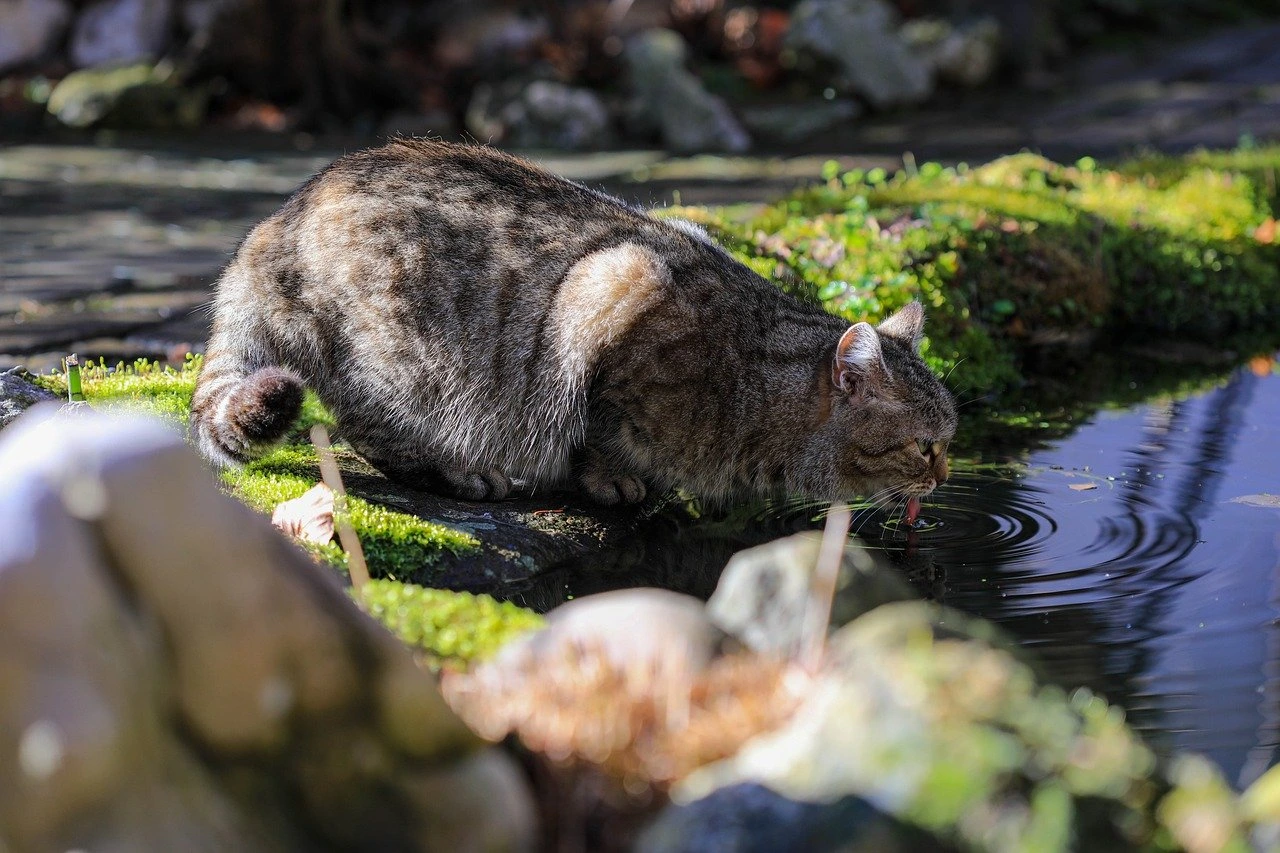
Senior Cat Not Drinking Water: 8 Tricks to Increase Hydration
Have you noticed your senior cat not drinking water as much as they used to? You’re not alone. This is one of the most common concerns among cat parents with aging felines. As cats enter their golden years (typically around 7-10 years old), their drinking habits often change, and dehydration becomes a serious health risk that can lead to kidney disease, urinary tract infections, and other life-threatening conditions.
Understanding why your senior cat is not drinking water is crucial for their longevity and quality of life. According to veterinary research, cats need approximately 3.5-4.5 ounces of water per 5 pounds of body weight daily, yet senior cats frequently fall short of this requirement. The consequences? Increased risk of chronic kidney disease (which affects up to 30% of cats over 10 years old), constipation, and decreased organ function.
In this comprehensive guide, we’ll explore eight proven, veterinarian-approved strategies to encourage your older cat to drink more water, recognize the warning signs of dehydration, and understand the underlying reasons behind your senior cat’s reluctance to hydrate properly.
Why Is Your Senior Cat Not Drinking Water?
Before diving into solutions, let’s understand the root causes. When you notice your senior cat not drinking water adequately, several age-related factors might be at play:
Diminished Thirst Drive: As cats age, their natural thirst mechanism weakens. Research published in the Journal of Feline Medicine and Surgery indicates that senior cats have reduced sensitivity to dehydration signals, meaning they simply don’t feel as thirsty as younger cats.
Dental Disease and Oral Pain: Approximately 70% of cats over age 3 have some form of dental disease, and this percentage increases dramatically in senior cats. Painful teeth, inflamed gums, or oral lesions make drinking uncomfortable, causing your senior cat to avoid their water bowl.
Arthritis and Mobility Issues: Studies show that over 90% of cats over 12 years old have arthritis. Joint pain makes it difficult for senior cats to bend down to water bowls or navigate to drinking stations, especially if they’re located far from their favorite resting spots.
Cognitive Decline: Feline cognitive dysfunction (similar to dementia in humans) affects 28% of cats aged 11-14 and over 50% of cats aged 15 and older. These cats may simply forget to drink or become disoriented when trying to locate their water source.
Kidney Disease: Ironically, one of the early signs of kidney disease is decreased water intake, even though proper hydration is critical for kidney function. When your senior cat not drinking water and coincides with weight loss or increased urination, kidney issues may be developing.
Medication Side Effects: Many medications prescribed to senior cats can cause nausea or alter taste perception, making water less appealing.
Warning Signs Your Senior Cat Is Dehydrated
Recognizing dehydration early is essential. Beyond observing your senior cat not drinking water, watch for these clinical signs:
- Skin Elasticity Test: Gently pinch the skin between your cat’s shoulder blades. In a well-hydrated cat, the skin snaps back immediately. If it stays “tented” or returns slowly, dehydration is present.
- Dry, Sticky Gums: Healthy gums should be moist and pink. Tacky or pale gums indicate dehydration.
- Sunken Eyes: A dehydrated cat’s eyes may appear dull or recessed.
- Lethargy: Decreased energy and excessive sleeping beyond normal cat behavior.
- Decreased Urine Output: Smaller clumps in the litter box or darker, more concentrated urine.
- Loss of Appetite: Dehydration often accompanies reduced food intake.
If you observe multiple symptoms alongside your senior cat not drinking water, consult your veterinarian immediately. Severe dehydration requires professional intervention and possibly subcutaneous fluid therapy.
Essential Products for Senior Cat Hydration
Water Fountains
- Ceramic Cat Water Fountain (2-3 units for multiple locations)
- Stainless Steel Pet Fountain with adjustable flow settings
- Replacement Filters (change every 2-4 weeks)
Water Bowls
- Wide Shallow Ceramic Bowls (6+ inches diameter, whisker-friendly)
- Stainless Steel Bowls (non-porous, easy to clean)
- Elevated Water Bowl Stand (2-4 inches high for arthritic cats)
Food & Hydration Enhancers
- High-Quality Wet Cat Food (senior formula, 70-80% moisture)
- Cat-Safe Bone Broth (no onions, garlic, or excess sodium)
- Low-Sodium Tuna in Water (for occasional water flavoring)
- Cat-Specific Water Enhancers/Hydration Supplements
Monitoring Tools
- Measuring Cup (to track daily water consumption)
- Hydration Journal or App (to log drinking patterns)
- Digital Kitchen Scale (for precise measurements)
Health & Comfort
- Non-Slip Bowl Mat (prevents spills, easy to clean)
- Pet Water Bottle (for fountain cleaning)
- Enzyme-Based Bowl Cleaner (pet-safe cleaning solution)
Optional But Helpful
- Automatic Water Dispenser (backup option)
- Pet Camera (monitor drinking behavior when away)
- Orthopedic Cat Bed (place near water stations)
Budget Estimate: $80-200 for initial setup, $20-40/month for maintenance (filters, wet food, cleaning supplies)
8 Science-Backed Tricks to Get Your Senior Cat Drinking Water
1. Invest in Multiple Water Fountains
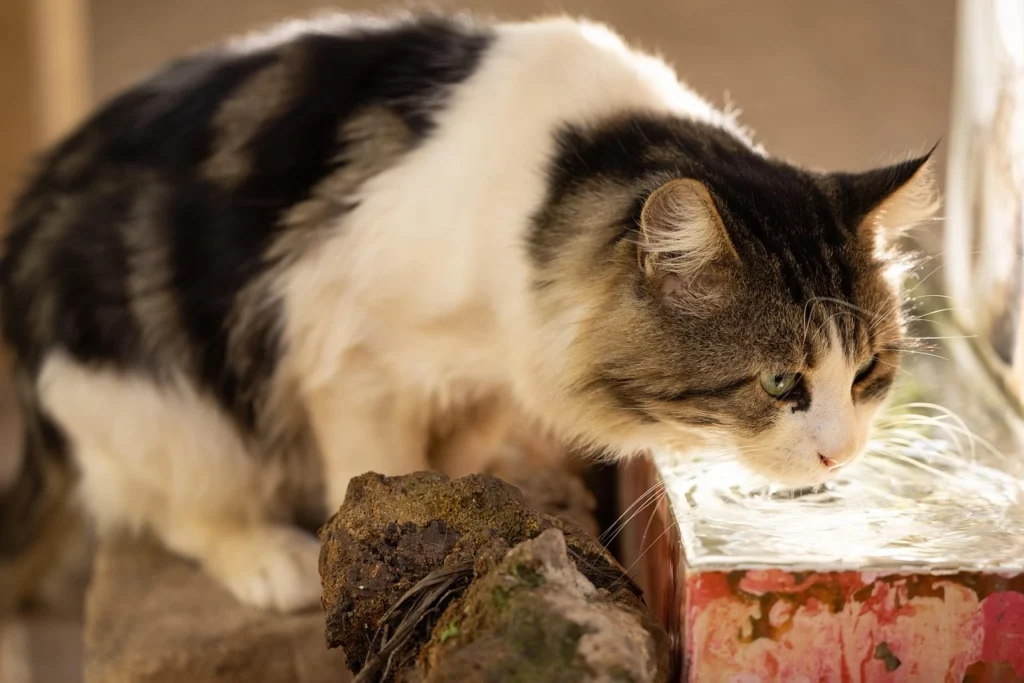
The number one solution when your senior cat not drinking water becomes problematic? Water fountains. Research demonstrates that cats are instinctively attracted to moving water because it signals freshness in their evolutionary programming.
Why It Works: The circulation, sound, and visual appeal of flowing water trigger natural drinking behaviors. A 2019 study found that cats with access to water fountains increased their daily water intake by an average of 35%.
Implementation Tips:
- Place 2-3 fountains in different locations throughout your home
- Choose models with adjustable flow settings (some senior cats prefer gentle streams)
- Select fountains with wide, shallow drinking areas for cats with whisker sensitivity
- Clean fountains every 3-4 days to prevent bacterial buildup
- Consider ceramic or stainless steel models rather than plastic, which can harbor bacteria and cause feline acne
Product Considerations: Look for quiet motors (important for noise-sensitive cats) and fountains with filters that remove chlorine and other chemicals that might deter drinking.
2. Strategic Water Bowl Placement
When dealing with a senior cat not drinking water, location matters tremendously. Your cat’s water access should be convenient, safe, and appealing.
The Multi-Station Approach: Place 5-7 water bowls throughout your home in areas where your cat already spends time. This is especially critical for senior cats with arthritis who may avoid traveling to a single water source.
Optimal Locations:
- Near favorite sleeping spots (but not immediately adjacent to litter boxes)
- On different floor levels, if you have a multi-story home
- In quiet areas away from household traffic and loud appliances
- Near sunny windowsills where cats like to lounge
- Away from food bowls (many cats instinctively prefer separated resources)
Elevation Matters: For arthritic senior cats, slightly elevated water bowls (2-4 inches off the ground) reduce neck strain and make drinking more comfortable. However, ensure bowls are stable to prevent tipping.
3. Optimize Bowl Material, Size, and Freshness
The vessel itself can be why your senior cat not drinking water persists. Cats are remarkably particular about their drinking receptacles.
Material Selection:
- Ceramic or Stainless Steel: These materials don’t retain odors and are easiest to keep clean
- Glass: Excellent option, but requires careful placement to prevent breakage
- Avoid Plastic: Can harbor bacteria, retain odors, and cause feline acne (a condition causing blackheads on the chin)
Size and Depth: Choose wide, shallow bowls. Cats dislike it when their sensitive whiskers touch bowl sides (a phenomenon called “whisker fatigue”). A diameter of at least 6 inches works well for most cats.
Freshness Protocol: Change water at least twice daily. Many cats refuse stale water, and this preference intensifies with age. Some cats only drink immediately after you’ve refilled their bowl. Capitalize on this by refreshing water when your cat is nearby.
Temperature Experiment: Some senior cats prefer room temperature water, while others enjoy slightly cool water. Avoid ice-cold water, which can be off-putting.
4. Transition to Wet Food or Add Water to Meals
One of the most effective strategies for a senior cat not drinking water is to increase the moisture content through food. Cats evolved as desert animals, obtaining most of their hydration from prey rather than from standalone water sources.
The Wet Food Advantage: High-quality canned or fresh wet food contains 70-80% moisture compared to just 10% in dry kibble. Switching to wet food can provide your senior cat with 50-70% of their daily water needs through meals alone.
Gradual Transition Protocol:
- Week 1: Mix 25% wet food with regular kibble
- Week 2: Increase to 50% wet food
- Week 3: Move to 75% wet food
- Week 4: Complete transition to 100% wet food (or maintain a mix based on your cat’s preference)
Water Addition Technique: Even if your cat prefers some dry food, add water to their meals:
- Start with 1-2 tablespoons of water mixed into wet food
- Gradually increase to create a “gravy” or “soup” consistency
- Use low-sodium chicken or bone broth (ensure it contains no onions, garlic, or excessive salt)
- Warm the mixture slightly (10-15 seconds in the microwave) to enhance the aroma
Monitor Acceptance: If your cat initially refuses food with added water, reduce the amount and increase it more slowly. Never let modified food sit out for more than 30 minutes to prevent bacterial growth.
5. Make Water More Enticing with Safe Flavor Additions
Sometimes, a senior cat not drinking water simply needs a more appealing beverage. While cats should primarily drink plain water, occasional flavor enhancements can encourage hydration.
Safe Flavor Options:
Tuna Water: Reserve the liquid from canned tuna (packed in water, not oil) and add 1-2 teaspoons to your cat’s water bowl. Use sparingly (1-2 times per week) as too much can cause vitamin E deficiency and mercury concerns.
Bone Broth: Purchase or make cat-safe bone broth with no onions, garlic, excessive salt, or seasonings. Dilute with regular water (start with 1:4 broth-to-water ratio). Bone broth provides hydration plus beneficial nutrients like glycine and collagen that support joint health in senior cats.
Clam Juice: Small amounts of clam juice (again, sodium-free versions) can be highly appealing. Dilute significantly—most cats find the scent alone attractive enough to investigate and drink.
Cat-Specific Water Enhancers: Several pet companies now produce hydration supplements designed specifically for cats. These contain taurine, electrolytes, and appealing flavors without harmful ingredients.
Important Caution: Never add cow’s milk (most cats are lactose intolerant), artificial sweeteners (especially xylitol, which is toxic), or any human beverages. Always introduce new flavors gradually and in small amounts.
6. Address Medical Issues Promptly
When your senior cat not drinking water despite environmental modifications, underlying health conditions may be responsible. Proactive veterinary care is essential.
Dental Evaluation: Schedule a comprehensive dental examination. Your veterinarian can identify painful conditions like tooth resorption, gingivitis, or oral tumors that make drinking uncomfortable. Professional dental cleaning under anesthesia may be necessary, though your vet will assess whether your senior cat is a safe candidate.
Kidney Function Tests: Request bloodwork, including a complete blood count (CBC), chemistry panel, and urinalysis. These tests assess kidney function and can detect early-stage kidney disease when intervention is most effective. Senior cats should have these tests at least annually, or every 6 months after age 10.
Pain Management: If arthritis or other chronic pain conditions are diagnosed, appropriate pain management makes it easier for your senior cat to access water sources. Modern feline pain medications are safe and dramatically improve quality of life.
Medication Review: Ask your veterinarian if any current medications might reduce thirst or cause nausea. Alternative medications or adjusted dosages may solve the problem of your senior cat not drinking water.
Cognitive Support: For cats with cognitive dysfunction, medications like selegiline or supplements containing omega-3 fatty acids, antioxidants, and medium-chain triglycerides may improve cognitive function and help maintain normal behaviors like drinking.
7. Create a Positive Drinking Routine
Behavioral conditioning can be remarkably effective when your senior cat not drinking water stems from habit rather than health issues.
Scheduled Engagement: At consistent times each day (morning, afternoon, evening), call your cat to the water bowl. When they approach, offer verbal praise and gentle pets. Don’t force drinking, but reward proximity and investigation.
Puzzle and Play Integration: Place water bowls near areas where you engage your cat in play. After play sessions, cats naturally seek hydration. Capitalize on this by ensuring water is immediately accessible.
Hand-Feeding Water: Some senior cats respond well to you cupping your hand with a small amount of water and allowing them to lick it. This mimics kitten nursing behavior and creates positive associations.
Environmental Enrichment: Pair water stations with other positive elements: a comfortable cat bed nearby, a sunny spot, or a view of the outdoors. These associations make the water area more appealing.
Patience and Consistency: Behavioral changes take 2-4 weeks to establish. Maintain consistency and avoid showing frustration, which cats can sense and which may create negative associations.
8. Monitor, Track, and Adjust Your Approach
The final critical strategy for addressing your senior cat not drinking water is systematic monitoring that allows you to identify what works and when intervention is needed.
Quantitative Tracking: Measure water daily using these methods:
- Fill water bowls to a marked line each morning
- Measure the remaining water each evening before refilling
- Calculate consumption (accounting for evaporation, approximately 1-2 ounces daily)
- Keep a written log or use a smartphone app
Behavioral Observations: Note when your cat drinks, how long they spend at the water bowl, and any patterns (e.g., only drinks from the fountain, drinks after meals, only drinks when you’re present).
Litter Box Monitoring: Track urination frequency and volume. Decreased urination despite improved water intake may signal a medical problem requiring veterinary attention.
Regular Reassessment: What works for your senior cat not drinking water this month may need adjustment next month as their condition evolves. Every 2-3 weeks, evaluate your current strategy and make necessary changes.
Integration of Multiple Strategies: Most successful approaches combine several techniques. For example, fountain + wet food + flavor enhancement + strategic placement creates multiple pathways to increased hydration.
When to Seek Emergency Veterinary Care
While implementing strategies for your senior cat not drinking water, recognize when professional medical intervention cannot wait:
- No water intake for 24+ hours
- No urination for 24+ hours
- Severe lethargy or inability to stand
- Vomiting or diarrhea accompanied by dehydration
- Collapse or loss of consciousness
- Pale or white gums
- Rapid, weak pulse
These symptoms indicate severe dehydration or acute illness requiring immediate veterinary attention, potentially including hospitalization and intravenous fluid therapy.
The Long-Term Hydration Strategy
Successfully addressing your senior cat not drinking water requires patience, observation, and often multiple approaches working together. Most cat owners find that combining environmental modifications (fountains, bowl placement), dietary changes (wet food, water additions), and medical management creates the most effective solution.
Remember that senior cats are individuals with unique preferences. What works for one may not work for another, and preferences can change over time. The key is remaining attentive, flexible, and proactive.
Proper hydration extends your senior cat’s life, improves their quality of life, and helps prevent or manage chronic conditions like kidney disease. The effort you invest in encouraging your older cat to drink more water pays dividends in their health, comfort, and longevity.
By implementing these eight evidence-based strategies, you’re taking important steps to ensure your senior companion remains well-hydrated and healthy throughout their golden years. Your senior cat not drinking water doesn’t have to become a crisis with the right approach, you can successfully encourage better hydration habits starting today.
Conclusion
Dealing with a senior cat not drinking water can feel overwhelming, but you now have a comprehensive toolkit of proven strategies to encourage better hydration. From water fountains and strategic bowl placement to dietary modifications and medical interventions, each approach addresses different aspects of why older cats reduce their water intake.
The most important takeaway? Act early. Don’t wait until dehydration becomes severe or kidney disease develops. Start implementing these strategies today, monitor your cat’s response, and work closely with your veterinarian to address any underlying health issues.
Your senior cat depends on you to recognize changes in their behavior and needs. By staying vigilant about hydration, you’re providing essential care that supports kidney function, urinary tract health, digestion, and overall vitality. With patience, consistency, and the right combination of techniques tailored to your cat’s preferences, you can successfully overcome the challenge of your senior cat not drinking water and give your aging companion the best possible quality of life.
Frequently Asked Questions (FAQs)
Q: How much water should a senior cat drink daily?
A: Senior cats typically need 3.5-4.5 ounces of water per 5 pounds of body weight daily. For a 10-pound senior cat, that’s approximately 7-9 ounces (roughly one cup) per day. However, cats eating wet food may drink less from their bowl because they’re getting moisture from food. The key is monitoring overall hydration status rather than fixating on a specific amount consumed from water bowls alone.
Q: Can a senior cat not drinking water lead to kidney failure?
A: Yes, chronic dehydration significantly increases the risk of kidney disease and can accelerate existing kidney problems. The kidneys require adequate water flow to filter waste products effectively. When your senior cat not drinking water becomes chronic, waste products accumulate, kidney cells become damaged, and function declines. This is why addressing hydration issues early is so critical for senior cats.
Q: What’s the fastest way to hydrate a dehydrated senior cat?
A: The fastest method is subcutaneous (under the skin) fluid administration performed by a veterinarian or trained pet owner. However, this should only be done with veterinary guidance. For less severe dehydration, offering wet food, tuna water, or diluted bone broth can encourage immediate drinking. Never force water into your cat’s mouth, as this can cause aspiration (water entering the lungs).
Q: Why does my senior cat drink water and immediately throw up?
A: This can indicate several conditions: drinking too quickly (often due to excessive thirst from kidney disease or diabetes), gastrointestinal issues, or nausea from various causes. If your senior cat vomits after drinking, even while addressing your senior cat not drinking water issues, consult your veterinarian promptly. This symptom often requires diagnostic testing to identify the underlying cause.
Q: Are water fountains really worth it for senior cats not drinking water?
A: Absolutely. Research consistently shows that water fountains increase water consumption in cats by 30-35% on average. The combination of moving water (which signals freshness instinctively), increased oxygenation, and the sound of flowing water all appeals to cats’ natural preferences. For many cat owners dealing with senior cats not drinking water, fountains are the single most effective solution. The investment (typically $25-60) is minimal compared to the hydration benefits.
Q: Can I give my senior cat Pedialyte or Gatorade for hydration?
A: No, never give human electrolyte solutions without veterinary supervision. These products contain ingredients and electrolyte concentrations inappropriate for cats. If your senior cat requires electrolyte supplementation due to dehydration, your veterinarian will prescribe cat-specific solutions. For routine hydration support when your senior cat not drinking water is a concern, stick with plain water, wet food, and veterinarian-approved flavor additions like diluted bone broth.
Q: How long can a senior cat survive without drinking water?
A: While this varies based on health status and environment, cats can typically survive only 3-4 days without water (shorter in warm conditions or if ill). However, serious organ damage can occur much sooner, within 24-48 hours. If your senior cat not drinking water extends beyond 24 hours, seek veterinary care immediately rather than waiting to see if they’ll drink on their own.
Q: Will adding ice cubes to water help my senior cat drink more?
A: This depends on individual preference. Some cats are intrigued by ice cubes and will play with them, indirectly increasing water exposure. However, many senior cats prefer room temperature or slightly cool water rather than very cold water. Experiment with your cat place a few ice cubes in one bowl and observe whether they show more interest in that bowl versus others. Cold water can also be harder on sensitive teeth if dental disease is present.
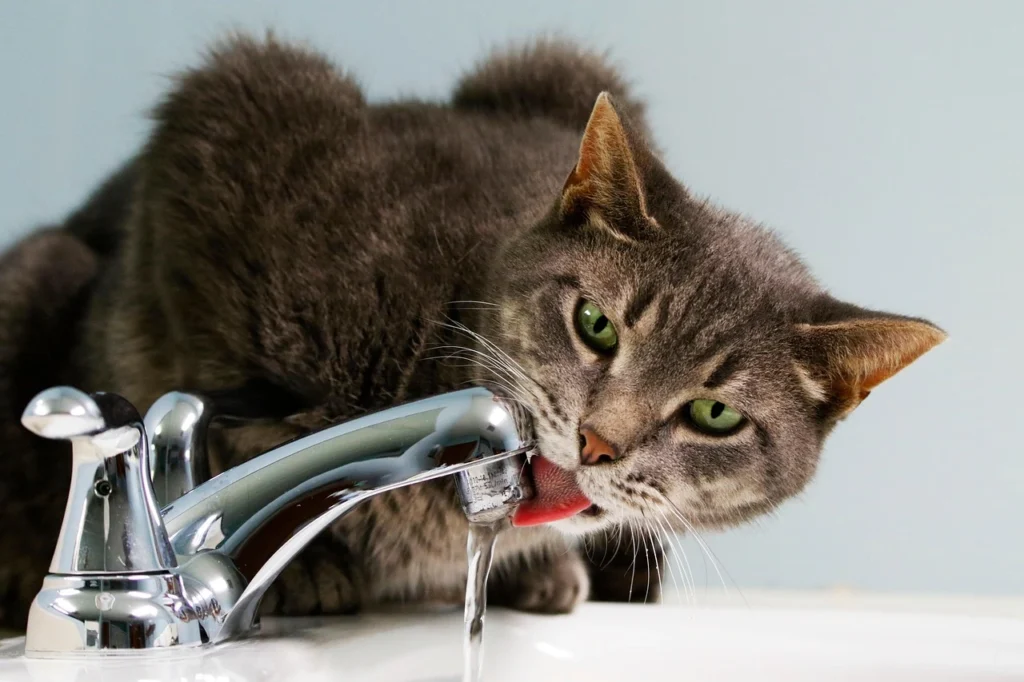
Q: My senior cat only drinks from running faucets. Is this okay?
A: While this shows your cat prefers moving water (making a fountain an excellent solution), relying solely on faucet drinking isn’t ideal for several reasons: it’s wasteful, inconvenient, and your cat may not ask for water often enough. Use their faucet preference as information—invest in a quality water fountain that mimics the appeal of running tap water, ensuring your senior cat has 24/7 access to the type of water they prefer.
Q: Can medications cause my senior cat not to drink water?
A: Yes, several medications commonly prescribed to senior cats can affect thirst and drinking behavior. Some medications cause nausea, while others alter taste perception or create dry mouth. If you notice your senior cat not drinking water after beginning a new medication, contact your veterinarian. They may adjust the dosage, switch medications, or provide anti-nausea support to help your cat maintain adequate hydration.
Author’s Note: This article provides educational information based on veterinary research and clinical experience. Always consult with your veterinarian for medical advice specific to your senior cat’s individual health needs. Every cat is unique, and what works for one may require modification for another. Your veterinarian can help you develop a personalized hydration strategy for your aging feline companion.