Senior dog won’t eat but drinks water: vet-approved solutions
Introduction:
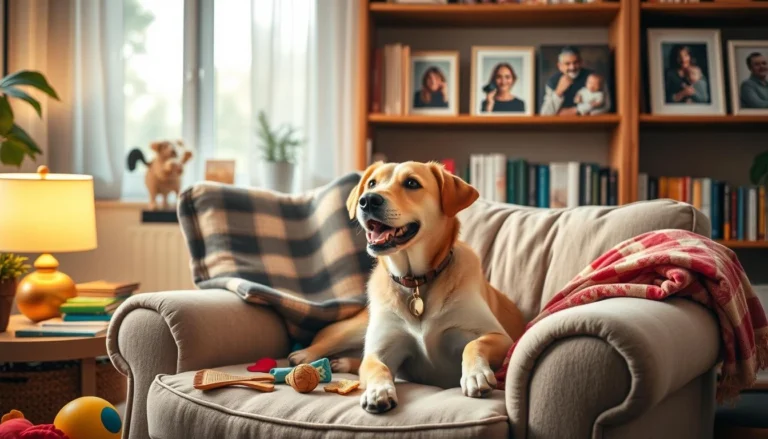
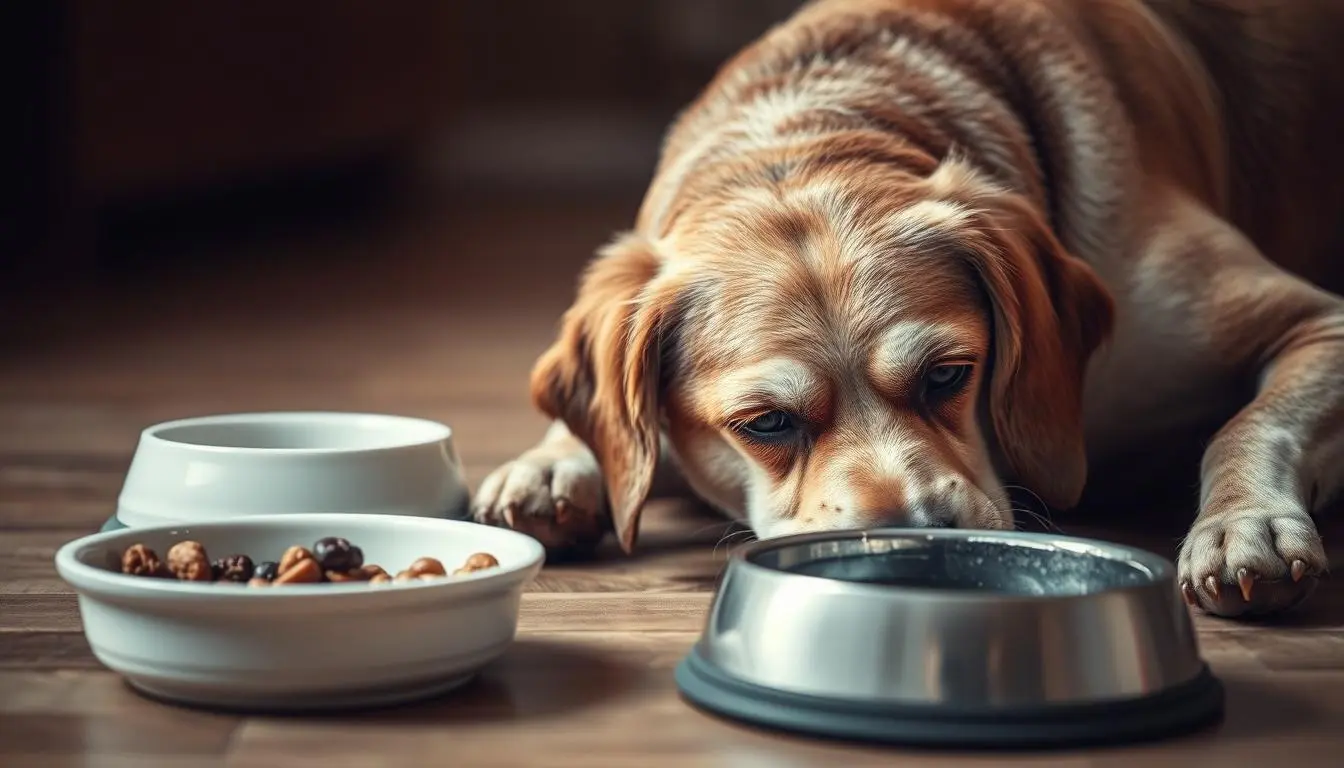
Seeing your senior dog won’t eat but drinks water can worry you, especially if they still drink water. This change hints at a health problem.
As a pet owner, it’s normal to worry when your pet’s appetite drops. Even if they drink water, a decrease in appetite in older pets can signal health issues. These need to be checked by a vet.
Knowing why your senior dog won’t eat but drinks water and what to do can help. It ensures your pet gets the care they need.
Table of Contents
Key Takeaways: Senior Dog Won’t Eat But Drinks Water
- Loss of appetite in older pets can be due to various health issues.
- Continued water intake is a positive sign, but veterinary advice is still necessary.
- Identifying the cause is crucial for appropriate care.
- Vet-approved solutions can help address the issue.
- Monitoring your pet’s behavior and health is essential.
Why Your Senior Dog Won’t Eat But Drinks Water
Seeing your senior dog won’t eat but drinks water can worry you. It’s important to know why this happens. As dogs get older, many things can change how they eat and drink.
It’s key to tell the difference between normal aging and signs of a serious health issue. This helps you know when to worry and when to seek help.
Normal Aging Changes vs. Concerning Symptoms
Older dogs often face physical changes that affect their appetite. For example, they might smell and taste things less. But if a senior dog won’t eat but drinks water, it could be a sign of a bigger problem.
Signs that might mean a serious issue include:
- Difficulty chewing or swallowing
- Vomiting or diarrhea
- Significant weight loss
- Lethargy or depression
The Importance of Nutrition in Geriatric Dogs
Nutrition is essential for older dogs. It helps keep them healthy and can even help with chronic conditions. If your senior dog isn’t eating, making sure they get the right nutrients is crucial.
Common Health Conditions That Affect Senior Dog Appetite
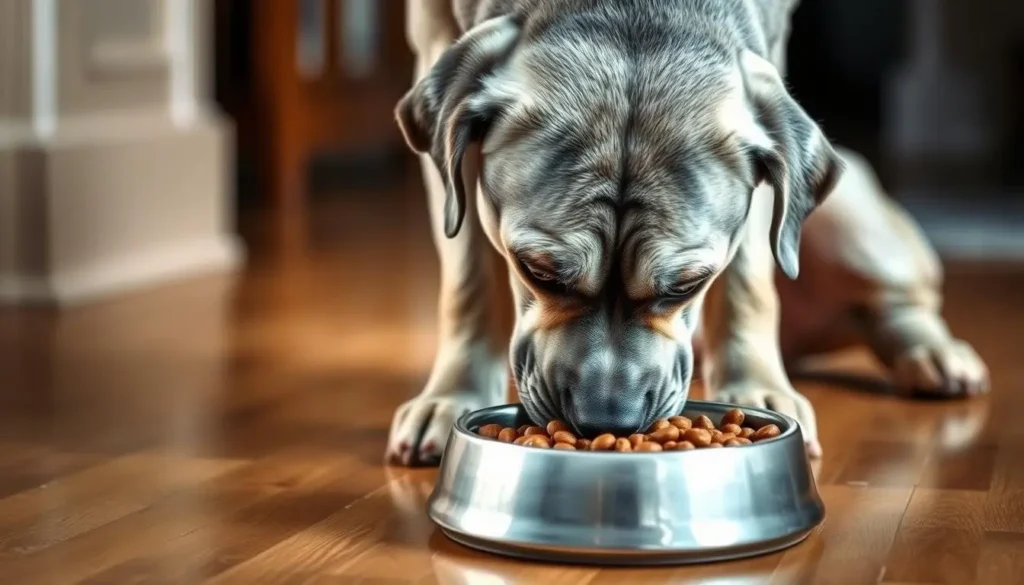
Senior dogs often face health problems that make them eat less. It’s key for owners to know these issues. As dogs get older, they’re more likely to get sick, which can affect their appetite and health.
Dental Problems and Oral Pain
Dental issues are common in older dogs and can cause pain while eating. Oral pain from dental problems can make your dog not want to eat. This is because eating becomes painful for them.
- Gum disease
- Tooth decay
- Oral infections
Gastrointestinal Issues
Gastrointestinal problems, like gastroesophageal reflux disease (GERD) or inflammatory bowel disease, can also affect appetite. These issues can cause nausea, vomiting, and diarrhea. This makes your senior dog won’t eat but drinks water.
Kidney Disease and Other Organ Dysfunction
Kidney disease is common in older dogs and can reduce appetite. Other organ problems, like liver disease, can also affect eating habits. It’s important to work with your vet to manage these conditions and ensure your dog gets the right nutrition.
Knowing about these health issues can help you figure out why your senior dog might not be eating. By teaming up with your vet, you can create a plan to help your dog’s health.
Psychological Factors Affecting Your Senior Dog’s Appetite
The mental health of your senior dog is key to their appetite and health. As dogs get older, they can face many mental changes. These changes can affect how they eat. It’s important to understand these factors to care for your elderly dog well.
Cognitive Dysfunction and Confusion
Senior dogs with cognitive dysfunction may get confused and change how they eat. They might forget when to eat or not know their food. Keeping a regular feeding schedule and place can help clear up confusion. You can also make mealtime fun with interactive feeders or puzzle toys.
Anxiety and Depression in Older Dogs
Senior dogs can feel anxious and depressed, just like people. Changes in their world, losing a friend, or health problems can cause these feelings. Creating a peaceful eating area can help reduce stress and encourage eating. Sometimes, talking to a vet or a dog behaviorist can help manage these issues.
By tackling the mental factors that affect your senior dog’s appetite, you can help them get the food they need. Keep an eye on their eating and talk to a vet if you see big changes. This is important for your aging dog’s health.
When Your Senior Dog Won’t Eat But Drinks Water: Is It an Emergency?
When a senior dog won’t eat but drinks water, it might mean there’s a problem. As a dog owner, knowing when this is an emergency is key. You need to act fast to keep your dog healthy.
Warning Signs That Require Immediate Veterinary Attention
If your senior dog won’t eat but drinks water, watch for certain signs. These include vomiting, diarrhea, lethargy, or trouble breathing. Seeing any of these means you should get vet help fast.
- Vomiting or diarrhea that lasts more than 24 hours
- Lethargy or depression
- Difficulty breathing or rapid breathing
- Pale gums or yellowing of the eyes
Understanding Dehydration vs. Appetite Loss
It’s easy to mix up dehydration with a lack of appetite in dogs. Dehydration happens when your dog loses more fluids than they take in. But appetite loss is when they just don’t want to eat. If your senior dog is drinking water but not eating, keep a close eye on their health.
To see if your dog is dehydrated, try a simple test. Lift the skin on their back or neck gently. If it snaps back fast, they’re likely hydrated. If it takes time, they might be dehydrated.
Solution #1: Addressing Dental Issues and Oral Pain
Oral pain can make it hard for your senior dog to eat. As dogs get older, their teeth can hurt, making meals tough. Fixing dental problems is key to getting your dog to eat again.
Signs of Dental Problems in Older Dogs
Older dogs show clear signs of dental trouble. Look for bad breath, swollen gums, loose teeth, and a dislike for chewing. You might see your dog pawing at their mouth or showing pain while eating. Regular mouth checks can spot these problems early.
Dental Care Options for Senior Dogs
There are many ways to care for your senior dog’s teeth. Regular vet visits are crucial for oral health. Your vet might suggest professional cleanings to remove tartar and plaque. There are also toothbrushes and dental chews made for older dogs.
Soft Food Alternatives for Painful Mouths
For dogs with painful mouths, softer foods can help. Try wet or canned food, which is easier to chew than dry kibble. You can also soften their food with warm water or low-sodium broth. This makes eating more comfortable for them.
By tackling dental issues and pain, you can boost your senior dog’s appetite and life quality.
Solution #2: Modifying Food Texture and Temperature
Changing the texture and temperature of your senior dog’s food can really help. As dogs get older, their sense of smell and taste can fade. This makes their usual food less exciting. By tweaking their meals, you can make them more tempting.
Warming Food to Enhance Aroma
Warming your dog’s food can make it smell better. To do this, use a microwave-safe container and warm it briefly. But be careful not to overheat, as it can harm the nutrients and even burn your dog’s tongue.
Adding Moisture to Dry Food
Adding moisture to dry food can make it more appealing to senior dogs. Mix in some warm water or low-sodium broth to improve the texture. This is great for dogs with dental problems or those who like softer food.
Pureeing or Mashing Food for Easier Consumption
For dogs with dental issues or oral pain, pureeing or mashing food can help. Use a food processor or a fork to make the food softer. This can offer several benefits:
- Easier to eat for dogs with dental issues
- Reduced discomfort during meals
- Encourages eating in dogs who are struggling
By making these changes, you can make mealtime more fun for your senior dog won’t eat but drinks water. This can also encourage them to eat more. Always talk to your vet before changing your dog’s diet.
Solution #3: Appetite Stimulants and Medications
If your senior dog won’t eat but drinks water, you might want to try appetite stimulants and medications. These can help if your dog’s loss of appetite is due to health issues.
Prescription Appetite Stimulants
Your vet might suggest prescription appetite stimulants to help your dog eat. These are good for dogs with medical conditions that make them lose their appetite. Common ones include steroids and anti-nausea meds that can boost appetite. Always talk to your vet about the right medicine and dosage for your dog, and watch for any side effects.
Over-the-Counter Options
There are also OTC options to help your dog’s appetite. These include supplements and products made to increase appetite. Some OTC products have mirtazapine or cyproheptadine, which can help dogs eat more. But always check with your vet before giving your dog any OTC meds or supplements to make sure they’re safe.
When looking into appetite stimulants and meds, always follow your vet’s advice. Regular vet visits and checks are key to adjusting the treatment plan as needed.
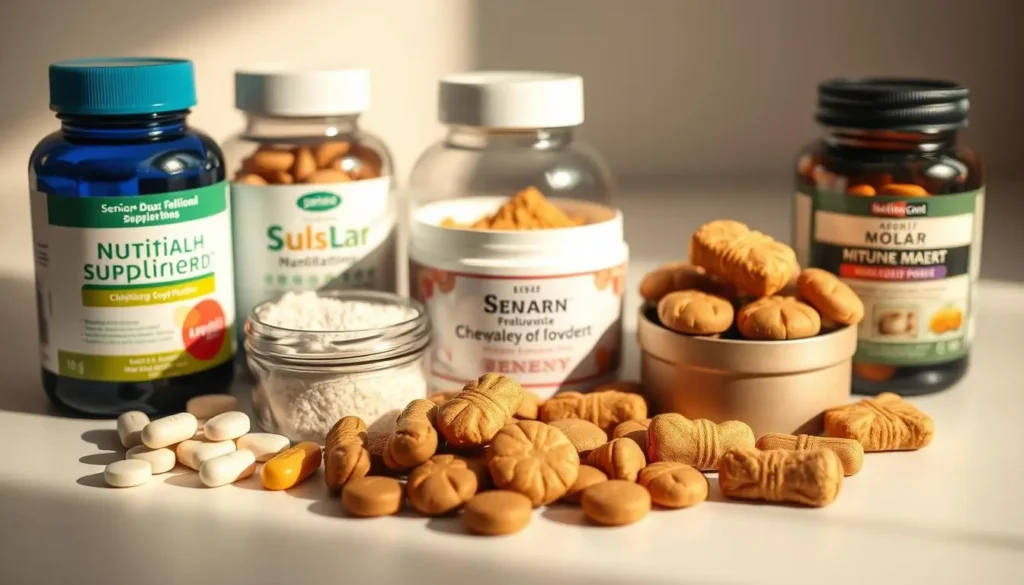
Solution #4: Nutritional Supplements and Support
As your senior dog ages, nutritional supplements are key to their health and appetite. It’s vital to ensure they get the nutrients they need. Supplements can fill the gap, supporting their health and possibly boosting their appetite.
High-Calorie Supplements for Weight Maintenance
High-calorie supplements are great for senior dogs losing weight due to a low appetite. They can be mixed into their meals to boost calories without adding much food. This is good for dogs that fill up fast or can’t eat a lot.
Vitamin B12 and Its Role in Appetite
Vitamin B12 is crucial for a healthy appetite and metabolism in dogs. Senior dogs with a Vitamin B12 shortage may eat less. Adding Vitamin B12 can help improve their appetite and health.
Probiotics for Digestive Health
Probiotics are good bacteria for the gut. They’re great for senior dogs, helping with digestion and nutrient absorption. A healthy gut means better digestion and appetite. You can add probiotics to their diet with supplements or probiotic-rich foods.
Always talk to your vet before adding supplements to your senior dog’s diet. They can suggest the best supplements for your dog’s health needs. This ensures they won’t harm their current health or medications.
Solution #5: Environmental and Feeding Routine Changes
Creating a comfy and stress-free spot for eating can boost your senior dog’s appetite. It’s not always about the food, but the place they eat.
Creating a Stress-Free Eating Environment
To make eating stress-free, think about where your dog eats. Keep it quiet and free from distractions. Make sure it’s clean and free from stressors.
Adjusting Feeding Schedule for Senior Dogs
Changing the feeding schedule can help. Break their food into smaller, more frequent meals. This helps with digestion and might make them hungrier.
Elevated Feeding Stations and Accessibility
For dogs with arthritis, use elevated feeding stations. They help avoid neck and joint strain. This makes eating easier and more enjoyable.
These changes can make mealtime better for your senior dog. It might even improve their appetite and overall health.
Solution #6: Alternative Feeding Methods for Senior Dogs
When your senior dog won’t eat but drinks water, trying different ways to feed them can be a big help. As dogs get older, they might have health problems that make eating hard. Using different feeding methods can make sure your dog gets the nutrients they need.
Hand Feeding Techniques
Hand feeding is a kind and effective way to get your senior dog to eat. It lets you bond with your dog during meals, making it more fun and less stressful. Start by giving them small amounts of food from your hand, helping them get used to it.
- Begin with small amounts to prevent overwhelming your dog.
- Choose a quiet, distraction-free area for hand feeding.
- Be patient, as some dogs may take time to adjust to hand feeding.
Syringe Feeding When Necessary
Sometimes, you might need to use a syringe to feed your senior dog. This method involves using a syringe to put food directly into their mouth. It’s important to talk to your vet about the best way to do this and to watch how your dog does.
Key considerations for syringe feeding include:
- Using the correct syringe size and type.
- Feeding in a comfortable, upright position.
- Monitoring for signs of stress or discomfort.
Working With Your Vet on Feeding Tubes
If your senior dog won’t eat but drinks water, a feeding tube might be an option. Your vet can tell you if this is right for your dog and help you through it. Feeding tubes can safely give your dog the nutrients they need.
By talking to your vet and trying different feeding ways, you can make sure your senior dog gets the food they need to stay healthy.
Conclusion: Supporting Your Senior Dog Through Appetite Changes
As your senior dog ages, changes in appetite can worry you. You’ve discovered that health issues, mental factors, and aging can lower their appetite. By knowing the causes and using vet-approved solutions, you can meet their nutritional needs.
Dealing with appetite issues in senior dogs needs patience and teamwork with your vet. Together, you can find ways to get your dog to eat and stay healthy. This might mean changing their food, treating health problems, or trying new feeding methods.
Creating a caring environment and getting expert advice can help your senior dog cope with appetite changes. Make mealtime calm and be ready to change their eating schedule if needed. With the right support, your senior dog can still enjoy a good life.
FAQ
Why senior dog won’t eat but drinks water?
There are many reasons why your senior dog might drink water but not eat. Dental problems, stomach issues, or kidney disease could be the cause. It’s best to talk to your vet to find out why.
How can I encourage my older dog to eat?
Try warming their food to make it smell better. You can also add moisture to dry food or puree their meals. Changing their eating area and routine might help too.
Are appetite stimulants safe for senior dogs?
Appetite stimulants can work, but they’re not always safe. It depends on the medicine and your dog’s health. Always check with your vet before giving any new medicines.
Can nutritional supplements help my senior dog’s appetite?
Yes, some supplements like high-calorie foods, Vitamin B12, and probiotics can help. But it’s important to talk to your vet first to choose the right ones.
What are the signs that my senior dog’s loss of appetite is an emergency?
Look out for signs like severe dehydration, big weight loss, vomiting, diarrhea, or being very tired. If you’re worried, it’s always better to call your vet.
How can I make mealtime more comfortable for my senior dog with dental issues?
Try using soft foods like canned or cooked meals. Hand-feeding or using raised feeding stations can also help.
Can anxiety or depression affect my senior dog’s appetite?
Yes, anxiety and depression can make your senior dog not want to eat. A calm eating area and a regular feeding schedule can help.
What alternative feeding methods are available for senior dogs?
You can try hand-feeding, syringe-feeding, or using feeding tubes. Talk to your vet to see what’s best for your dog.